
Plants
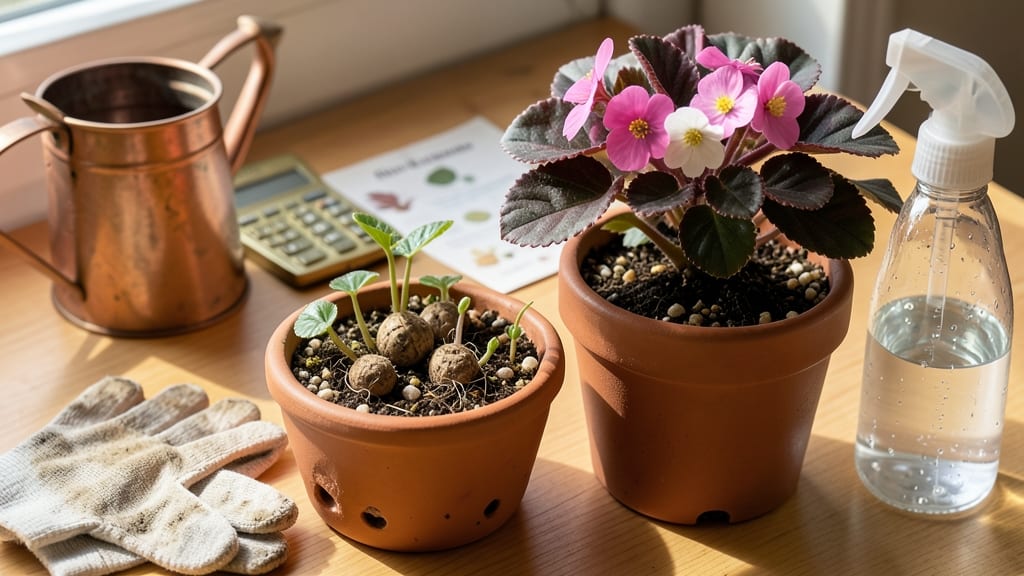
Planting begonias in pots at the wrong time can turn your bright 🌸 blooms into sad, droopy leaves before they even begin. The key to success lies in understanding your local climate zone and the delicate balance between frost risk and warm soil temperatures.
For most gardeners in USDA Zone 6a and beyond, the ideal window opens after the last frost—typically mid-April to early June. But if you're in a warmer zone like 9 or 10, you might start as early as February or even late January with the right precautions.
I’ve learned the hard way that rushing begonia pots into cold soil or leaving them too late in hot climates can stunt growth or invite pests. Whether you’re a first-time grower or a seasoned plant parent, timing is everything for vibrant, thriving begonias.
Let’s break down the exact months and signs to watch for—so you can enjoy lush, blooming begonias all season long without the guesswork.
Best months to plant begonias in pots by USDA climate zone
Begonias are stunning container plants, but their frost sensitivity means timing matters. In pots, they can't burrow underground like in-ground plants, so warmer soil temperatures and stable nighttime temps above 50°F (10°C) are critical.
Tuberous begonias (like Begonia × tuberhybrida) need extra warmth, while fibrous-rooted types (such as Begonia semperflorens) tolerate cooler starts. Your USDA zone dictates when to plant—coastal areas may have 2-4 weeks earlier windows than inland zones.
Start by checking your last frost date (find it via Almanac.com or local extension offices). For Zones 3-5, wait until 2-3 weeks after your last frost—usually late May to early June.
In Zones 6-8, you can plant as early as mid-April in coastal areas but hold off until May inland. Zones 9-11 offer year-round planting, but avoid summer heat (plant in fall or spring instead).
Here’s your zone-by-zone planting calendar, including adjustments for coastal vs. inland microclimates and tuberous vs. fibrous-rooted begonias:
For coastal areas, ocean breezes delay frost, so you can plant 2-4 weeks earlier than inland zones. In Zone 9-11, summer heat (above 90°F/32°C) stresses begonias, so focus on fall or spring planting.
Use shade cloth (30-50%) if planting in late summer. Tuberous begonias need warmer soil (60°F/15°C+) and often require indoor starts 6-8 weeks before outdoor planting.
If you’re in a transition zone (e.g., Zone 7b vs. 8a), err on the side of waiting. Cold snaps can kill tender foliage, even if roots survive.
Test soil temperature with a thermometer—it should be at least 60°F (15°C) for tuberous types. Fibrous-rooted begonias tolerate slightly cooler starts (55°F/13°C) but still need stable warmth to thrive.
Pro tip: Pre-warm pots by placing them in a sunny window or on a heat mat for 24 hours before planting. This mimics warmer soil conditions
Signs your climate isn’t ready for begonia pots (and how to fix it)
Begonias are delicate divas in the plant world—they love warmth and humidity but hate surprises like unexpected frost or chilly nighttime temps. If you’ve ever watched your begonia leaves turn yellow or droop after moving pots outside, you’ve likely planted too early.
The key is knowing your local microclimate and soil temperature before committing to container planting.
Even in USDA Zone 10, where frost is rare, coastal breezes or high humidity can create conditions that mimic colder climates.
For example, my San Francisco begonia pots thrived in May but struggled in April due to foggy mornings dropping temps to 50°F—way too chilly for their tropical roots. Always check your extended weather forecast for 5+ days before planting.
Your begonias are at risk if you see these 3 red flags:
- 🌡️ Soil temp below 60°F: Use a soil thermometer—begonias need 65°F+ to thrive.
- 🌬️ Wind chill factor: Pots dry out faster and roots chill—place containers near windbreaks or under eaves.
- 🌧️ Humidity drops below 50%: Begonias wilt quickly in dry air; use pebble trays or misting.
FIX IT:
✅ Wait until nighttime temps stay above 55°F for 7+ days.
✅ Harden off seedlings by gradually moving pots outside for 2 hours/day over 1 week.
✅ Use black plastic mulch to warm soil 5-10°F faster.
Another common mistake? Ignoring container size and drainage holes. Begonias in small pots (under 6 inches) dry out too fast, while oversized containers stay too wet. I once killed a tuberous begonia by using a 12-inch pot—it sat in soggy soil for weeks.
Stick to one-size-up containers (e.g., 6-inch pot for 6-inch plants) and add perlite to potting mix for airflow.
If you’re in a transitional climate (like Zone 7b), consider delaying planting until June to avoid late spring frosts. Last year, my fibrous-rooted begonias survived a 40°F night in a terracotta pot because it absorbed heat during the day.
For extra protection, wrap pots in burlap or place them on cinder blocks to insulate roots.
Don’t forget to monitor pest activity—cooler temps bring slugs and aphids, which love stressed begonia leaves. I’ve seen Japanese beetles devour entire Angel Wing begonia blooms in Zone 8 when planted too early. Use neem oil or row covers as a precaution until temps stabilize.
For late starters, focus on heat-tolerant varieties like Begonia boliviensis or Begonia masoniana, which handle 85°F+ temps better than classic Wax begonias. Pair them with shade cloth (30-50%) to prevent leaf scorch.
With the right adjustments, you can push your planting window 2-3 weeks later without sacrificing blooms.