
Plants
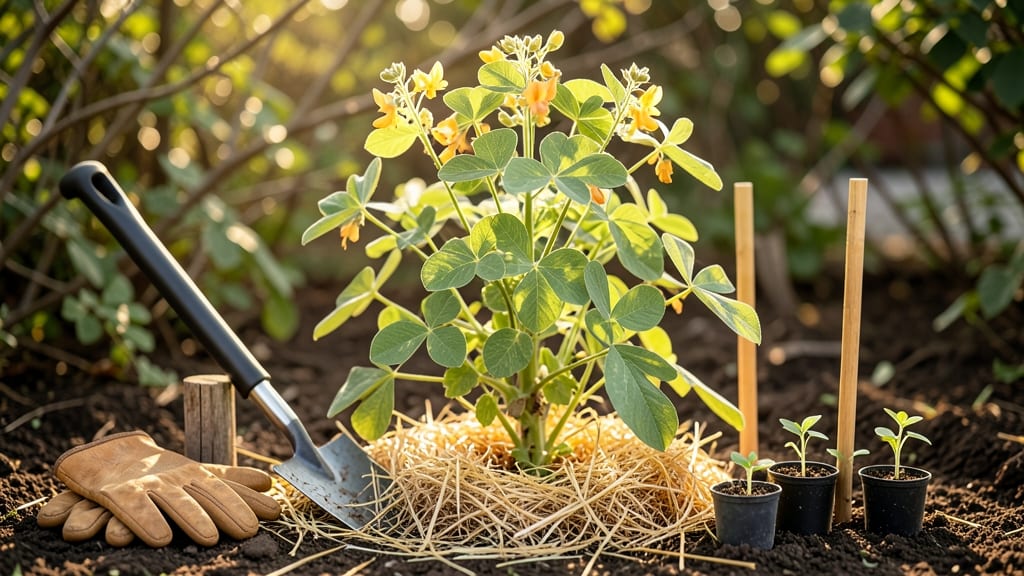
Planting peanuts in North Carolina isn’t just about dropping seeds in the dirt—it’s about catching that perfect window when soil, weather, and your schedule align for maximum success.
Miss the mark, and you might end up with stunted plants or wasted effort, especially since these 🥜 need warmth to thrive from day one.
Most NC gardeners swear by mid-May to early June as the ideal time, right after the last frost when soil temperatures hit a steady 70°F+.
But here’s the catch: your exact planting date depends on whether you’re in the Coastal Plain, Piedmont, or Mountains, where microclimates can shift that window by weeks.
Why does timing matter so much? Peanuts are finicky—they need 120 days of warm weather to mature, and planting too late risks a harvest cut short by early frost.
I’ll break down the science behind NC’s frost-free zones and show you how to adjust for your specific corner of the state.
Ready to grow a bumper crop? Let’s dive into the exact steps to time your planting for bigger yields, from soil prep to variety selection, so you’re not guessing when your peanuts hit the ground.
Best planting months for peanuts in North Carolina by region
North Carolina’s diverse climate—from the humid Coastal Plain to the cooler Mountains—creates unique planting windows for peanuts. Unlike many crops, peanuts thrive in warm soil (70°F+), so timing depends on your region’s last frost date and heat buildup.
In USDA zones 6b–8a, peanuts are best planted after the risk of frost has passed but before summer’s peak heat arrives. Let’s break down the ideal months for each NC region to ensure your crop matures fully by harvest season.
Peanuts are a warm-season crop that despises cold soil. If planted too early, seeds rot; too late, and the growing season may not provide enough time for pods to mature. The Coastal Plain (zones 8a–8b) enjoys the longest frost-free period, while the Mountains (zones 6b–7a) face shorter seasons.
Piedmont gardeners (zones 7a–7b) fall in between. Understanding these regional differences helps you align your planting schedule with your local climate’s soil temperature thresholds and frost risk windows.
| Region | USDA Zone | Last Frost Date | Ideal Planting Window | Soil Temp Threshold | Harvest Window |
|---|---|---|---|---|---|
| Coastal Plain | 8a–8b | Mid-March to early April | Late April–mid-May | 70°F+ (consistent) | Late September–October |
| Piedmont | 7a–7b | Mid-April | Early May–early June | 70°F+ (consistent) | Mid-September–October |
| Mountains | 6b–7a | Late April–early May | Mid-May–June | 70°F+ (delay until late May if cool) | Early October–November |
For the Coastal Plain, where frost is rare after early April, you can start planting as early as late April. The soil warms quickly, allowing peanuts to germinate within 7–10 days if temperatures stay above 70°F.
This region’s longer growing season means you can even squeeze in a late June planting for a second harvest, though yields may be smaller. Use black plastic mulch to speed up soil warming if you’re eager to plant earlier.
In the Piedmont, where last frost typically occurs around mid-April, wait until early May to plant. The region’s moderate climate means soil temperatures fluctuate more, so use a soil thermometer to confirm the ground has reached 70°F at a depth of 2 inches.
If you plant too early and a late frost hits, your seedlings will suffer. Aim for a 120-day variety to ensure pods mature before the first frost in October.
The Mountains present the biggest challenge due to their shorter growing season. Plant no earlier than mid-May, even if the air feels warm. Soil in higher elevations stays cool longer, and peanuts won’t germinate below 68°F.
Choose early-maturing varieties like ‘Early Spanish’ (90–100 days to harvest) to maximize your chances. If you’re in zone 6b, consider using row covers to extend the season by a few weeks.
Regardless of your region, avoid planting peanuts after early July. The crop needs 90–120 days to mature, and late plantings won’t have enough time to develop pods before the first frost.
If you miss the window, save seeds for next year or opt for a container-grown crop in a greenhouse, where you can control soil temperatures more effectively.
One common mistake I see is planting peanuts based on air temperature alone. Always check soil temperature, not just the weather forecast. Peanuts are sensitive to cold soil, and even a 65°F reading can delay germination by weeks.
Use a soil thermometer or a seedling heat mat if you’re planting in cooler microclimates. Pro tip: In the Mountains, wait until late May to plant, even if the air is warm—your soil may still be too cool.
Once you’ve nailed your planting window, focus on well-draining soil and full sun. Peanuts need at least 6 hours of sunlight daily and struggle in soggy conditions. Amend heavy clay soil with compost or sand to improve drainage. In the
How to time peanut planting for NC’s soil and weather patterns
Timing your peanut planting in North Carolina depends on more than just the calendar—soil temperature, moisture levels, and weather forecasts play critical roles. Peanuts thrive in warm soil (70°F+), so planting too early risks stunted growth, while late planting cuts harvest time short.
I’ve learned that monitoring these factors can mean the difference between a bountiful crop and a disappointing one.
Start by checking your soil temperature at a depth of 2 inches. Use a soil thermometer for accuracy—peanuts won’t germinate well below 68°F. In most of NC, this typically aligns with late April to early June, but coastal areas can plant slightly earlier due to milder conditions.
I always wait until the last frost date has passed, usually around mid-April for the Piedmont and later for mountain regions.
⚠️ callout warning
- Planting after heavy rains: Waterlogged soil suffocates roots and delays germination.
- Ignoring heatwaves: Soil temps above 95°F can scorch seeds—wait for stable warmth.
- Skipping soil prep: Peanuts need loose, sandy soil; compacted earth stunts pod development.
Pro Tip: Use a mulch layer (straw or pine needles) to retain heat and moisture after planting.
Pay close attention to rainfall forecasts in the weeks leading up to planting. Peanuts need consistent moisture during germination but can’t tolerate soggy conditions. If your area is forecasted for heavy rains within 7–10 days, delay planting to avoid waterlogged soil.
I once planted too early in the Coastal Plain, and the relentless downpours drowned my seeds—lesson learned!
Adjust your planting schedule based on your local microclimate. Mountain regions like the Blue Ridge may need to wait until June due to cooler soils, while the Coastal Plain can start as early as late April.
Use a weather app with soil moisture alerts to track conditions in real time. I rely on the NC State Climate Office for regional updates, which helps me fine-tune my timing.
Once planted, mulch heavily to lock in heat and reduce evaporation. A 2-inch layer of organic mulch keeps soil temps ideal for root development and suppresses weeds. I’ve found that black plastic mulch works exceptionally well in NC’s summer heat—it warms the soil faster and speeds up germination.
Just remember to remove it before harvest to avoid contaminating your peanuts.
Finally, watch for late-season droughts, which can stress peanut plants as they near maturity. If your area experiences dry spells in August or September, increase irrigation slightly to support pod filling.
I’ve had success using drip irrigation to deliver water directly to the roots without wetting the foliage, which reduces fungal risks like leaf spot disease. 🥜