
Plants
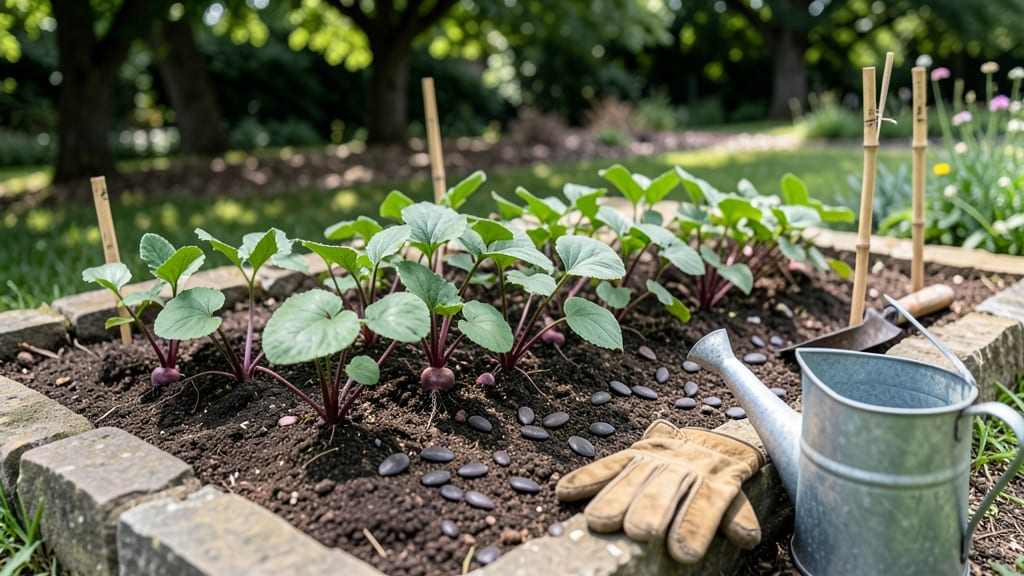
When to plant beets in South Carolina isn't just about luck—it's about beating the heat and avoiding frost damage. Plant too early, and a late freeze will ruin your crop; too late, and summer's sweltering temperatures send your beets bolting before you can enjoy them.
I've learned the hard way that South Carolina's 8a climate demands precision. The sweet spot? Early spring—February through March—when soil temperatures hover around 50°F, giving your beets the cool conditions they crave.
But don't stop there—fall planting in August to September can yield another delicious harvest before winter sets in.
What makes SC unique is its microclimates—coastal areas stay milder longer, while inland zones can hit 90°F faster. We'll break down how to adjust your planting schedule based on where you live, plus pro tips for succession planting to keep your kitchen stocked all season.
Ready to grow beets that thrive? Let's dive into the exact frost-free timeline, soil prep secrets, and how to tell when your beets are perfect for picking—no guesswork, just sweet, homegrown success.
South Carolina beet planting calendar: frost dates and ideal windows
Timing your beet planting in South Carolina means avoiding frost damage in spring and heat stress in summer. With USDA zones 7a-8b, you can grow beets year-round with strategic planting.
The key is understanding your last frost date (around March 15) and first frost (around November 15) to maximize your harvest.
Beets thrive in cool weather but bolt (go to seed) when temperatures exceed 80°F. In SC’s heat, focus on spring and fall plantings for sweet, tender roots. For container gardening, adjust timing slightly to account for faster soil warming in pots.
Always use loose, well-draining soil to prevent rot, especially in SC’s heavy clay soils.
Summary Table: South Carolina Beet Planting Calendar
| Planting Window | Ideal Months | Soil Temp | Days to Harvest | Notes |
|---|---|---|---|---|
| Early Spring | February-March | 50-60°F | 50-60 days | Plant 4-6 weeks before last frost |
| Late Spring | April | 60-70°F | 45-55 days | Use shade cloth if temps exceed 80°F |
| Summer (Succession) | June-July | 70-75°F | 40-50 days | Plant in partial shade; harvest quickly |
| Fall | August-September | 60-70°F | 50-60 days | Best harvest window; avoid late plantings |
| Winter (Cold-Hardy) | October-November | 40-50°F | 60-70 days | Use row covers for protection |
For spring plantings, start seeds indoors 4-6 weeks before your last frost date (typically early February) or sow directly in well-prepared beds once soil reaches 50°F. In USDA zone 7a, aim for February-March plantings to avoid early frost.
Use black plastic mulch to warm soil faster in cooler inland areas like Greenville or Spartanburg.
Summer plantings are trickier in SC’s heat. Try succession planting every 2 weeks from June-July in partial shade (30-50% shade cloth) to prevent bolting. Varieties like 'Detroit Dark Red' or 'Golden' handle heat better than 'Chioggia'.
Always keep soil moist but not soggy—SC’s summer droughts can stress young plants.
Fall is the best time for beets in SC, with August-September plantings yielding sweet, tender roots before winter. In coastal areas like Charleston, you can extend harvests into October-November with row covers. Avoid planting after mid-September in inland zones (7a) to prevent frost damage before maturity.
Overwintering beets is possible in zone 8a with protection. Plant hardy varieties like 'Boltardy' in October and cover with straw mulch (4-6 inches) and frost blankets.
Harvest before hard freezes (below 20°F) to avoid tissue damage. Store roots in cool, humid conditions (32-35°F) for up to 3 months.
Pro tip: Use succession planting every 2-3 weeks from February-May and August-October to ensure a continuous harvest. In containers, plant 4-6 seeds per 12-inch pot and thin to 1-2 plants. Always rotate crops to prevent
How to adjust beet planting for South Carolina’s microclimates
South Carolina’s diverse microclimates—from the humid coastal plains to the cooler Piedmont and mountain regions—mean your beet planting schedule should shift based on location. Coastal areas like Charleston experience milder winters and earlier springs, while Upstate regions near Greenville face shorter growing seasons and cooler temperatures.
Understanding these differences helps you avoid bolting or pest pressure from beetles, which thrive in warmer zones.
In the coastal plain (USDA zones 8a-9a), you can start beets as early as late January for an early spring harvest, while Upstate gardeners (zones 7a-7b) should wait until mid-March to avoid frost damage. The Piedmont region offers a middle ground, with ideal planting in February.
Each zone also demands different soil moisture strategies—coastal areas need well-draining soil to prevent waterlogging, while Upstate gardens benefit from mulch to retain moisture.
| Microclimate | Best Planting Window | Soil Moisture Needs | Pest Risks | Heat Tolerance Tip |
|---|---|---|---|---|
| Coastal Plain | Late Jan–Feb, Aug–Sep | Well-draining; avoid soggy soil | Beetle infestations (use row covers) | Plant heat-tolerant varieties like 'Cylindra' |
| Piedmont | Feb–Mar, Aug–Sep | Moderate moisture; mulch to retain water | Fungal diseases (rotate crops) | Use shade cloth in peak summer |
| Upstate | Mid-Mar–Apr, Aug–early Sep | Consistent moisture; protect from wind | Frost damage (cover with row fabric) | Extend season with cold frames |
For coastal gardeners, focus on succession planting every 2 weeks from August through September to beat the heat. Upstate gardeners should prioritize fast-maturing varieties like 'Detroit Dark Red' to harvest before the first frost in November.
In the Piedmont, where temperatures swing wildly, consider drip irrigation to maintain even moisture—beets hate dry spells but also despise waterlogged roots.
Watch for beetle infestations, which are worse in coastal areas. Handpick adults and use neem oil as a preventive spray. If your beets start bolting (sending up flower stalks), they’re reacting to heat stress.
Provide afternoon shade with shade cloth or plant in partial shade during peak summer months. In Upstate regions, row covers can protect young seedlings from late frosts.
Adjust your harvest timing based on your microclimate too. Coastal beets may be ready by late April for spring plantings, while Upstate gardeners might not see harvests until June.
Fall plantings in all regions should aim for harvest by mid-November before cold snaps arrive. With these regional tweaks, you’ll enjoy sweet, homegrown beets all season long!
Pro tip: Test your soil’s pH level—beets prefer 6.0–7.0. Amend clay-heavy Piedmont soils with compost to improve drainage, and add sand to coastal soils if they feel compacted. A little prep goes a long way in SC’s varied growing conditions! 🌱