
Plants
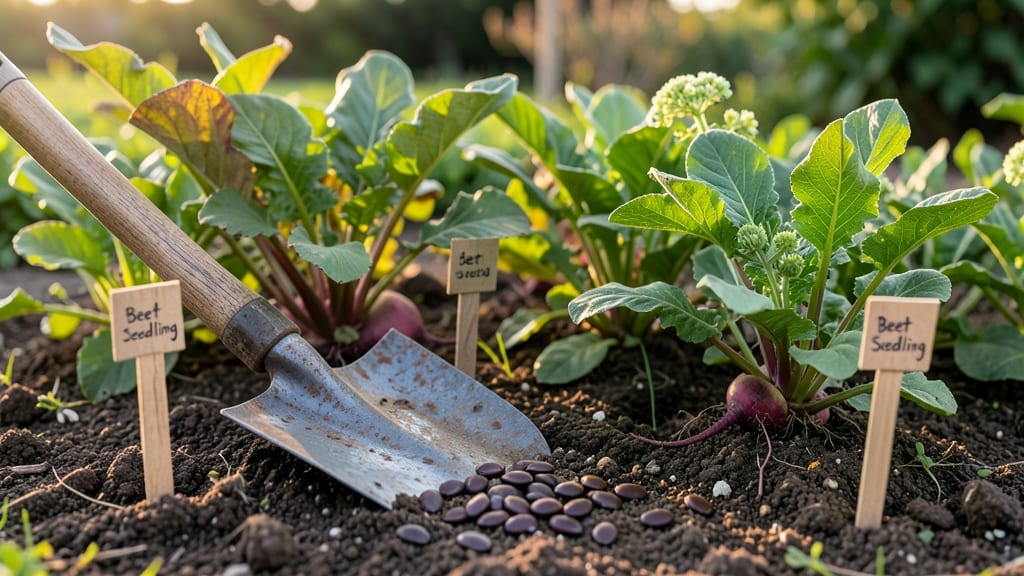
Planting beets in Central Florida isn’t just about timing—it’s about catching that sweet spot between soil warmth and humidity to avoid bitter roots or failed germination. The key?
Start seeds when daytime temps hover around 70°F but nights stay mild, typically between September and October for fall harvests or February and March for spring. Skip the summer heat, or you’ll watch your 🍠 seeds bolt before they even sprout.
Most gardeners here make one big mistake: waiting too long for "perfect" conditions. But beets are tough—once your soil hits 50°F, they’ll germinate in 5-10 days, even in sandy soil. The trick? Use a soil thermometer (or your finger—if it’s warm enough for you, it’s ready for seeds).
And if your yard runs hotter than your neighbor’s? Try succession planting every 2 weeks to stretch your harvest window.
Don’t overlook containers either—beets thrive in pots with 6+ hours of sun, making them perfect for balconies or small spaces. Just mix in compost to combat Central Florida’s nutrient-poor soil, and water deeply in the morning to prevent fungal issues.
With these adjustments, you’ll go from "I planted beets?" to "Why didn’t I do this sooner?" by November.
Ready to skip the guesswork? I’ll walk you through exact planting dates, microclimate tweaks, and the best varieties for Florida’s heat—so you can enjoy sweet, tender beets all season long without the stress.
Central Florida’s ideal beet planting windows by soil temperature
Beets thrive when planted during cooler months in Central Florida, but timing depends on soil temperature rather than just calendar dates. Unlike northern climates, Florida’s USDA Zone 9a means we can grow beets year-round with the right strategy—but germination requires soil at 50°F+.
Too hot, and seeds bolt; too cold, and they rot. Let’s break down the perfect windows using local climate data and soil thermometer cues.
Central Florida’s fall planting window (September–November) aligns with cooling temperatures, while spring planting (February–March) catches the mild weather before summer heat arrives. The key difference? Fall beets mature before frost risk, while spring beets must race against rising temperatures.
Both cycles rely on soil thermometers to avoid wasted seeds or bitter harvests.
Here’s the critical comparison of planting windows, soil temperature triggers, and expected outcomes for Central Florida gardeners:
| Planting Window | Soil Temp Trigger | Average Central FL Soil Temp | Germination Time | Harvest Window | Key Risks |
|---|---|---|---|---|---|
| Late August–Early September | 55°F–65°F | 60°F–68°F | 7–10 days | November–December | Fungal diseases (high humidity) |
| Mid-September–October | 60°F–70°F | 65°F–72°F | 5–7 days | December–January | None (ideal window) |
| February–Early March | 55°F–60°F | 58°F–63°F | 10–14 days | May–June | Bolting (if too warm) |
| Late March–April | 65°F+ | 70°F+ | Poor germination | Not recommended | Seeds bolt or fail |
Notice how Mid-September–October stands out as the sweet spot for beets in Central Florida. During this window, soil temperatures hover in the 65°F–72°F range, ensuring fast germination (5–7 days) and sweet, tender roots before winter sets in.
My personal trick? Use a soil thermometer to confirm temps before planting—especially in sandy soils that heat up faster.
For spring plantings, February–early March is your last chance before soil warms too quickly. After mid-March, soil temperatures often exceed 65°F, triggering bolting (premature flowering) and bitter roots. If you’re eager for summer harvests, consider shade cloth or container gardening with morning sun to delay heat stress.
Central Florida’s humidity and sandy soil add complexity. Beets planted in August may struggle with fungal diseases like leaf spot, while November plantings risk stunted growth if temps drop below 50°F. Always amend soil with compost to improve moisture retention and drainage—critical for sandy soils.
Pro tip: Succession plant every 2–3 weeks during your chosen window. This ensures a continuous harvest and reduces the risk of overcrowding. For example, sow seeds on September 1st, 15th, and 30th to enjoy beets from November through January.
If you’re container gardening, use 5-gallon pots with well-draining mix and plant 3–4 seeds per pot. Containers warm faster than ground soil, so adjust your planting dates 1–2 weeks earlier than the table suggests. Monitor soil moisture closely—containers dry out 3x faster than in-ground beds.
Remember: Beets are cool-season crops, but Central Florida’s mild winters mean you can push the envelope. With the right soil
How to adjust planting dates for Central Florida’s microclimates
Central Florida’s urban heat islands and rural shade variations create microclimates that can shift your beet planting schedule by 2-4 weeks. Urban areas with pavement and concrete stay 5-10°F warmer than rural zones, while shaded backyards may mimic cooler spring conditions.
These differences directly impact germination rates and bolting risks, so adjusting your timing is key to success.
For urban gardeners, start beets 2 weeks earlier than rural guidelines—typically in late August for fall crops. The extra heat helps seeds germinate faster in warmer soil, but watch for bolting if temperatures exceed 85°F.
Rural areas with more shade can safely plant through early October, benefiting from cooler soil temperatures that prevent premature flowering.
⚠️ WARNING: Heat Stress Risks in Urban Areas ⚠️
⚠️ Urban Heat Hazards for Beets
Planting beets in urban microclimates during peak summer (June-August) risks:
- Bolting from heat stress (temps >85°F)
- Poor germination in dry, compacted soil
- Pest pressure from aphids thriving in warm cities
To extend your fall growing season, use mulching techniques like black plastic mulch or straw blankets to warm soil in early September. This creates a microclimate that mimics late spring conditions, allowing you to plant 2-3 weeks later than traditional schedules.
For rural shade gardens, focus on late summer succession planting—sow seeds in early September under dappled sunlight for slower, steadier growth.
Hardening seedlings is critical for Central Florida’s humidity swings. Begin 10-14 days before transplanting by placing seedlings in partial shade during the day and full sun in the afternoon.
Gradually increase sun exposure to 6+ hours daily over 5-7 days. This mimics the urban-to-rural transition and reduces transplant shock, especially for heat-sensitive varieties like 'Babybeat' or 'Chioggia'.
For container gardening, adjust planting dates by 1 week earlier than in-ground beds. Pots heat up faster in urban settings, so use self-watering containers with light-colored fabric liners to reflect excess heat.
In rural areas, prioritize larger containers (12"+ diameter) to stabilize soil temperatures and reduce daily fluctuations that trigger bolting.
Monitor your local microclimate by checking soil temperature at 2-inch depth—beets need 50-60°F for germination. Urban soils often hit this threshold 2 weeks earlier than rural areas. Use a soil thermometer for 3 days to confirm readiness, and adjust your planting calendar accordingly.
For reliable results, keep a gardening journal to track microclimate patterns year-to-year.