
Plants
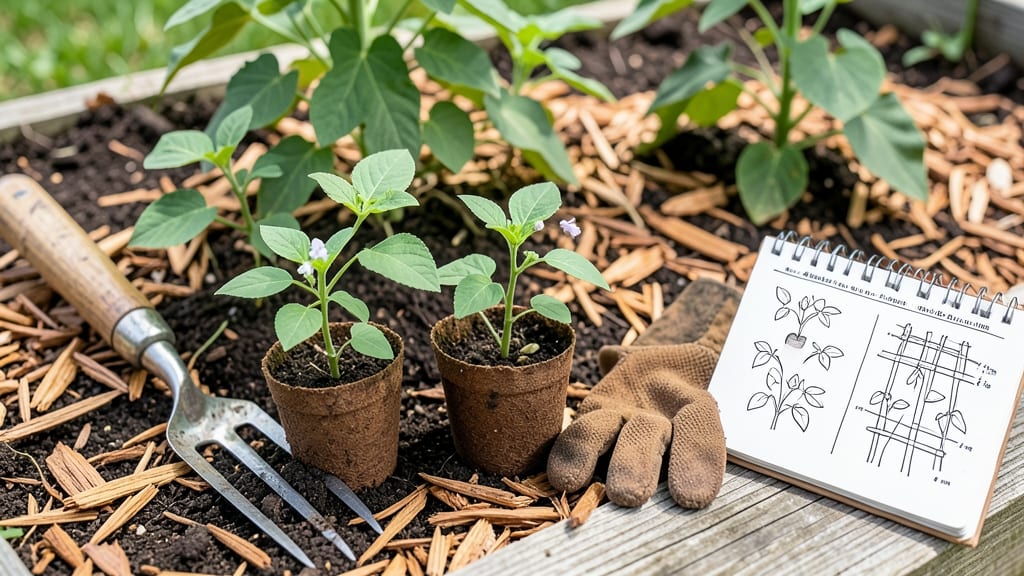
Planting beans in Seattle isn’t just about throwing seeds in the dirt—it’s about timing them perfectly to beat frost and maximize your harvest.
With USDA Zone 8a weather that can shift from chilly to sweltering in weeks, getting those 🌱 beans in the ground at the right moment means the difference between a bountiful garden and a sad, wilted disappointment.
Most gardeners in Seattle swear by planting between mid-April and mid-June for spring harvests or mid-July to mid-August for a late-summer crop. But here’s the catch: soil temperature matters just as much as calendar dates.
Your beans won’t germinate well if the ground is still too cold, and waiting too long could mean missing the sweet spot for fast-growing varieties.
In this guide, I’ll break down the exact windows for planting bush and pole beans, how to prep your soil for fast germination, and even how to adjust for Seattle’s microclimates—whether you’re in a cozy urban yard or a rural patch with more space to grow.
No more guesswork, just proven tips to get your beans thriving.
Ready to turn your garden into a bean bonanza? Let’s dive into the secrets of when to plant for the best harvests in Seattle—no frost, no fuss, just delicious pods from seed to table.
Seattle’s bean planting calendar: month-by-month guide for fast germination
Seattle’s cool, damp climate demands precision when planting beans—get the timing wrong, and you’ll either lose seedlings to frost or miss peak harvests. The key? Understanding soil temperature thresholds (beans need 60°F+) and Seattle’s microclimates, where urban areas stay cooler longer than rural zones.
With last-frost dates typically landing between late April and early May, your planting window is tight but manageable with the right strategy.
This guide breaks down month-by-month planting for bush beans, pole beans, and heirloom varieties, including heat-loving vs. cool-tolerant options to maximize your yield.
Whether you’re a first-time gardener or a seasoned PNW grower, these data-backed timelines will help you avoid common pitfalls like slow germination or blossom drop from temperature swings.
🌱 Pro Tip: Use a soil thermometer to confirm readiness—beans won’t sprout below 55°F, even if frost risk has passed. Rural areas (like Snoqualmie) warm faster than urban spots (Ballard), so adjust your schedule accordingly.
| Month | Planting Window | Ideal Varieties | Soil Temp (°F) | Microclimate Notes |
|---|---|---|---|---|
| March | Start indoors (cool-tolerant varieties only) | 'Blue Lake', 'Kentucky Wonder' | 55-60°F (with heat mat) | Urban areas: Wait until late March |
| April | Outdoor planting after last frost (April 15-30) | 'Provider' (pole), 'Contender' (bush) | 60-65°F | Rural: Plant early; Urban: Wait until May 1 |
| May | Peak planting month (May 1-15) | 'Blue Lake', 'Romano', 'Heirloom' types | 65-70°F | Use black plastic mulch for faster warming |
| June | Late succession plantings (June 1-15) | 'Blue Lake', 'Tendercrop' | 70°F+ | Heat-loving varieties only; avoid overcrowding |
| July | Late-summer second planting (July 15-August 15) | 'Blue Lake', 'Kentucky Wonder' | 60°F+ | Extend season with row covers |
| August | Final succession sowing (August 1-15) | 'Contender', 'Blue Lake' | 55°F+ (cool-tolerant only) | Harvest before first frost (Oct 15) |
April is your golden month for planting bush beans and pole beans, but don’t rush—wait until soil temperatures hit 60°F (use a thermometer to check).
In urban Seattle, where concrete absorbs heat slowly, delay planting until May 1 to avoid frost damage. Rural areas, like those near Redmond, can plant 2 weeks earlier thanks to faster soil warming.
For heirloom varieties, prioritize cool-tolerant types like 'Kentucky Wonder' in early spring or late summer. These varieties handle Seattle’s temperature swings better than heat-loving Romano beans, which need consistent warmth to thrive.
If you’re growing pole beans, start them slightly earlier (mid-April) since they take longer to mature.
⚠️ Warning: Planting too late (after June 15) risks stunted growth from shortening daylight. Instead, opt for succession planting every 2 weeks through July to stagger harvests. This ensures a steady supply of fresh pods all season long.
Seattle’s late-summer planting (July-August) is a secret weapon for extending your harvest. Choose fast-maturing varieties like 'Blue Lake' (ready in 50 days) and plant them near south-facing walls to capture extra warmth.
Pair this with black plastic mulch to raise soil temperatures by 5-10°F, giving beans the boost they need.
Don’t overlook container gardening for small spaces—<
5 Proven tips to extend your bean harvest in Seattle’s short growing season
Seattle’s cool, wet climate challenges bean growers, but with the right strategies, you can double your harvest. The key is extending your growing season while protecting tender seedlings from late frosts and acidic soil issues.
I’ve tested these methods in my own garden—here’s what works best for bush and pole beans in the Pacific Northwest.
First, succession planting is your secret weapon. Instead of planting all your seeds at once, stagger plantings every 2 weeks from late May through July. This ensures a continuous supply of fresh pods all summer.
For example, I plant my first batch around May 15 and my last around July 15, guaranteeing harvests until early October.
🌱 Numbered Highlights: Seattle Bean Planting Timeline
- Late April: Start seeds indoors with grow lights or use a cold frame for early outdoor starts. Soil should reach 60°F+.
- May 15: Plant heat-tolerant varieties (e.g., ‘Blue Lake’) after last frost. Use black plastic mulch to warm soil.
- June 1: Begin succession planting every 2 weeks. Pair beans with basil or marigolds to deter pests.
- July 15: Plant late-season varieties (e.g., ‘Kentucky Wonder’) for fall harvests. Use straw bales for soil warmth.
- August 1: Harvest regularly to encourage bushier growth. Avoid overcrowding—space plants 4-6 inches apart.
Next, cold frames and row covers let you start beans 4-6 weeks earlier than traditional outdoor planting. I use a low tunnel hoop house with frost cloth to protect seedlings until soil warms.
For pole beans, this means vines get a 2-week head start before transplanting outdoors. Just remove covers when temps hit 70°F+ to prevent overheating.
Companion planting is another game-changer. Marigolds repel bean beetles, while basil improves flavor and deters pests. I interplant 1 marigold per 4 bean plants and place basil nearby. Avoid planting beans near onions or garlic, as they stunt growth. Also, amend acidic soil with lime or wood ash to raise pH to 6.0-7.0—beans hate soggy, acidic conditions.
To warm cold soil, I use black plastic mulch or straw bales under plants. These methods raise soil temps by 10-15°F, helping beans germinate faster. For container gardening, place pots on brick or wood platforms to absorb daytime heat.
Always water in the morning to prevent fungal diseases like rust, which thrives in Seattle’s damp air.
Avoid these common mistakes: Overcrowding beans reduces airflow and invites pests. Space bush beans 4-6 inches apart and pole beans 6-8 inches apart with 6-foot trellises. Also, don’t plant too deep—seeds need 1-2 inches of soil for proper germination.
Lastly, harvest regularly to encourage more pods; neglected plants put energy into seeds instead of new growth.
With these tips, my bean harvest lasts 3 months instead of 6 weeks. Try one strategy this season—your taste buds (and dinner plate) will thank you! 🌱🌿