
Plants
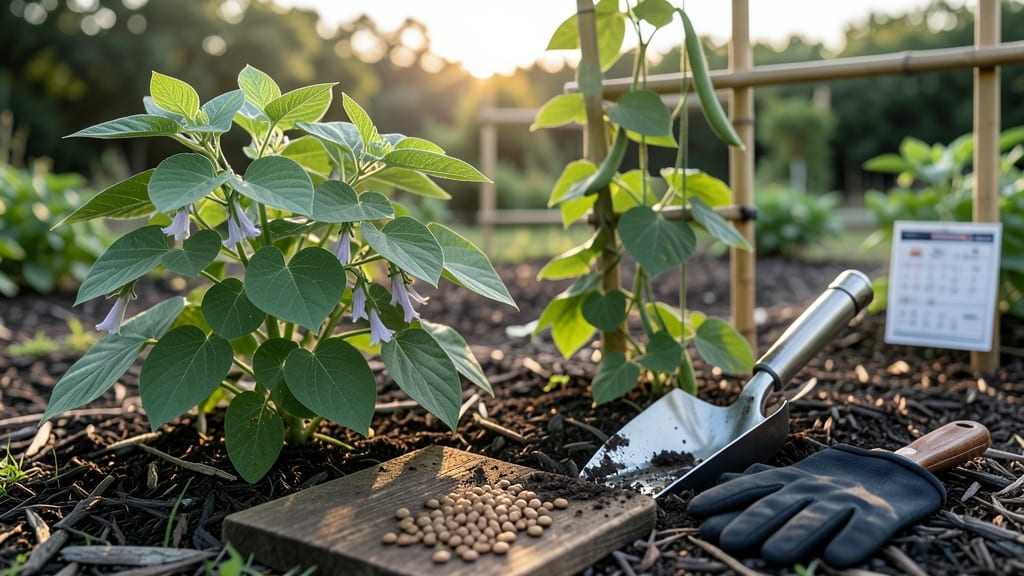
Planting beans in Zone 6 at the wrong time can leave you staring at empty vines instead of a fast, bountiful harvest. The key isn't just waiting for the calendar to say "spring"—it's checking soil temperatures, which most gardeners overlook.
When those numbers hit 60°F or warmer, that's your green light to drop those 🌱 seeds into the earth.
Here's what happens if you plant too early: cold soil slows germination, leaving seeds rotting underground while you wait. But get it right, and you'll see sprouts popping up in just 5-10 days.
I've seen this work every year in my Zone 6a garden, and the difference between a rushed spring planting and a perfect window is all about timing.
We're talking April 15 to June 1 for most varieties, but there's more to it than dates. The real magic happens when soil warms consistently—no more nighttime dips below 50°F.
That's when beans thrive, not just survive. Let me show you exactly how to read your soil's temperature cues so you never miss another planting window.
Once you've got the timing down, we'll cover everything else—from soil prep to spacing—that turns good planting into a harvest you'll brag about. Trust me, your future dinner table will thank you when those pods start snapping crisp in July.

Ideal soil temperature ranges for planting beans in Zone 6
Getting your soil temperature right is the #1 factor for successful bean germination in Zone 6. Unlike cool-season crops, beans need warm soil—at least 60°F—to sprout consistently. Planting too early when soil is still chilly (<55°F) leads to slow germination or seedlings that rot in damp conditions.
I've learned this the hard way with my first bean crop—patience with soil warmth pays off with faster, stronger plants.
Beans fall into three main categories, each with slightly different temperature preferences: pole beans, bush beans, and runner beans. While all thrive in the same general range, runner beans (like Scarlet Runner) tolerate slightly cooler soil (55-60°F) better than bush varieties.
Understanding these nuances helps you time your planting for peak performance. For example, I plant my Kentucky Wonder pole beans when soil hits 65°F for maximum vigor.
Here’s the golden rule for Zone 6 gardeners: Wait until soil reaches 60°F before planting most beans, but aim for 65-75°F for the fastest germination. Soil this warm ensures seeds metabolize quickly, reducing the risk of fungal diseases that thrive in cool, wet conditions.
I always check my soil temperature for 3 consecutive days above 60°F before committing to planting—this consistency is key.
Testing soil temperature accurately is simpler than you think. A soil thermometer ($10 at garden centers) gives precise readings, but you can also use a DIY method with a regular thermometer and a metal rod.
Bury the thermometer 2 inches deep (where you’ll plant seeds) and check it in the morning. If it reads 60°F or warmer, your beans are ready to go. Pro tip: Soil warms faster in south-facing beds or raised beds—ideal spots for early planting.
Here’s a quick reference for optimal soil temperatures by bean type, along with germination expectations:
| Bean Type | Ideal Soil Temp | Germination Time | Notes |
|---|---|---|---|
| Bush Beans (e.g., Blue Lake) | 65-75°F | 5-10 days | Fastest growth; avoid planting below 60°F |
| Pole Beans (e.g., Kentucky Wonder) | 60-70°F | 7-14 days | Tolerates slight coolness better than bush types |
| Runner Beans (e.g., Scarlet Runner) | 55-65°F | 10-21 days | Slowest to germinate; plant early for long harvest |
| All Beans (General Rule) | Minimum 60°F | N/A | Below 55°F = poor germination or rot risk |
If your soil is below 60°F but you’re eager to plant, consider using black plastic mulch or row covers to warm the soil by 5-10°F.
I’ve had success planting bush beans in late May by covering the bed with plastic for 2 weeks before sowing—this gives me an earlier harvest. Just remember to remove the mulch once seeds sprout to prevent overheating.
Extreme heat above 85°F can also stress beans, causing blossom drop or stunted growth. In Zone 6, this usually happens in July-August, so I focus on planting heat-tolerant varieties like Black Turtle Soya for late-season crops.
Shade cloth (30-50%) can help protect young plants during heatwaves, but proper soil moisture is more critical—beans wilt quickly in dry, hot conditions.
One common mistake I see is planting beans based on air temperature rather than soil temperature. A 70°F day might feel warm, but if the soil is still 50°F from overnight chill, your seeds will struggle. Always check soil temp in the morning (when it’s coolest) to avoid false confidence.
For example, in my garden, May 15th might have air temps in the 70s, but soil temps hover around 58°F
For successful bean planting in Zone 6, combine soil temperature checks with moisture testing. Well-drained soil that’s moist but not soggy (like a damp sponge) is ideal. If your soil is too cold but you’re desperate to plant, soak seeds overnight in lukewarm water to jumpstart germination. I’ve used this trick for runner beans planted in late April when soil was barely 55°F—it shaved 3-5 days
Best planting windows in Zone 6: month-by-month guide with frost risk factors
Mastering the planting windows in Zone 6 for beans means aligning your schedule with soil temperatures and frost dates. In this zone, beans thrive when nighttime temperatures stay above 50°F, but heat tolerance varies by variety.
Let's break down the best times to plant for maximum yield, including how to push boundaries with protective gear.
Zone 6 gardeners face a 165-day frost-free window, typically from mid-April to mid-October. For beans, this means three strategic planting windows: early spring, late spring, and early summer.
Each offers unique advantages depending on your bean variety and local microclimate. I'll show you exactly when to plant for each window and how to extend your season.
- Early Spring (April 15-30) - Cold-tolerant varieties like Blue Lake Bush can handle 50-60°F soil. Use row covers for protection against late frosts. Ideal for pole beans that need time to establish.
- Late Spring (May 1-15) - Optimal window for most varieties when soil reaches 60-70°F. Plant bush beans like Kentucky Wonder for quick harvests. Avoid planting after May 20 if summer heat exceeds 85°F.
- Early Summer (June 1-15) - Perfect for heat-tolerant varieties like Black Valentine. Soil temps should be 70-85°F. Use shade cloth if temps exceed 90°F to prevent blossom drop.
- Late Summer (July 1-15) - Succession planting works for short-season varieties like Provider. Soil should be 65-75°F and you must harvest before first frost (typically October 15).
For early spring plantings, I recommend using black plastic mulch to warm the soil faster. This technique can shave off 1-2 weeks from your planting timeline.
Simply lay down the mulch 1 week before planting and create small holes for your seeds. The mulch also suppresses weeds and retains moisture—critical for young seedlings.
If you're tempted to plant late-season beans in July, choose dwarf varieties like Mascotte that mature in 50-55 days. These can produce pods before the first frost hits.
Pair this with a cold frame to buy an extra 2-3 weeks of growing time. Just remember to remove the frame during the day to prevent overheating.
One common mistake is planting beans too early and watching them rot in cold, wet soil. Always wait until the soil temperature consistently stays above 60°F for at least 5 consecutive days.
You can test this by placing a thermometer in the soil at seed depth (1 inch) for 3 days in a row. If it's cooler, wait—your seeds will thank you with faster germination.
For gardeners in Zone 6a (colder sub-zone), push your planting back 1-2 weeks later than Zone 6b. The last frost date can vary by 10 days between these sub-zones, so check your local USDA frost map for precise timing.
In my experience, May 1 is the safest date to start planting for most Zone 6a gardeners.