
Plants
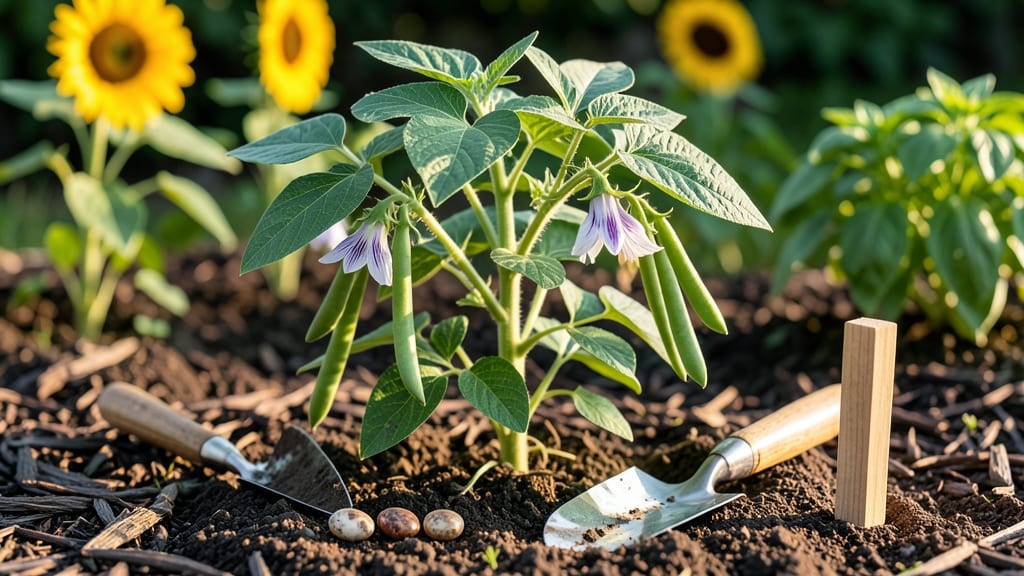
Planting beans at the wrong time in Georgia can mean the difference between a thriving garden and wasted effort—especially when you're aiming for that fast germination and early harvest.
With the right timing, your 🌱 beans will sprout quickly and grow strong before summer’s heat kicks in, giving you a head start on fresh, homegrown pods.
The key is knowing when soil temperatures hit that sweet spot—60°F or warmer—and avoiding those pesky late frosts that can still sneak in after March 15.
Whether you're in the humid Coastal Plain or the cooler Mountain regions, planting too early risks frost damage, while waiting too long might mean struggling with summer’s intensity. Let’s break down the exact weeks to plant for your zone.
Most Georgia gardeners swear by two planting windows: spring (March 15–April 30) and fall (August 1–September 15). But here’s the secret—pole beans and bush beans have different needs, and some varieties even benefit from a little shade during peak summer heat.
I’ll show you how to time it perfectly for fast, reliable growth and a harvest you’ll actually enjoy.
Ready to skip the guesswork? Stick around—I’ll walk you through the best planting strategies, soil prep tips, and even how to handle Georgia’s tricky humidity. Your garden (and your taste buds) will thank you!
Georgia’s last frost dates and best planting weeks for beans
Georgia’s diverse climate means last frost dates vary dramatically from the mountains to the coast. In North Georgia (USDA Zones 7a-7b), the average last frost date falls around April 15, while South Georgia (Zones 8a-8b) typically sees its final frost by March 15.
Understanding these regional differences is key to planting pole beans, bush beans, and specialty varieties at the perfect time for maximum yield.
For spring planting, aim to sow seeds 2-3 weeks after your area’s last frost date. This timing ensures soil temperatures stay above 60°F, which is critical for fast germination.
In North Georgia, this usually means planting between April 20-May 5, while South Georgia gardeners can start as early as March 20-April 10.
Here’s the breakdown you need for Georgia’s frost-free zones and ideal planting windows:
| Region | Last Frost Date | Best Planting Window | Pole Beans | Bush Beans | Specialty Varieties |
|---|---|---|---|---|---|
| North Georgia (Zones 7a-7b) | April 15 | April 20-May 5 | May 10-June 1 | April 20-May 10 | April 25-May 15 |
| Central Georgia (Zones 7b-8a) | April 1 | March 25-April 15 | April 10-May 1 | March 25-April 10 | April 1-April 15 |
| South Georgia (Zones 8a-8b) | March 15 | March 20-April 10 | April 1-May 1 | March 20-April 5 | March 25-April 10 |
| Fall Planting (All Regions) | October 15 | August 1-September 15 | August 15-September 1 | August 1-August 31 | August 10-September 10 |
For fall plantings, the goal is to harvest before the first frost in mid-October.
Start seeds 8-10 weeks before your expected frost date, which typically lands between August 1-September 15 across Georgia. Pole beans like Kentucky Wonder thrive in these late plantings, while bush beans such as Blue Lake offer quicker harvests for a late-season boost.
If you’re growing heirloom or specialty varieties, like Scarlet Runner beans, adjust your timing slightly later. These varieties often need longer growing seasons and benefit from starting seeds indoors 4-6 weeks before the recommended outdoor planting window.
This extra head start helps them establish roots before Georgia’s summer heat peaks.
One common mistake is planting too early in North Georgia, where late frosts can still occur in April. Always check your local USDA Plant Hardiness Zone and monitor soil temperatures—they should stay above 60°F for at least a week before planting.
Use a soil thermometer to confirm, as cool soils delay germination and reduce yield potential.
For succession planting, stagger your sowings every 2 weeks during the ideal window. This ensures a continuous harvest and prevents overproduction at once. In South Georgia, for example, you might plant bush beans every 10 days from March 20-A
How to time bean planting for fast germination in Georgia’s heat
Georgia’s summer heat can slow down bean germination if you don’t plan ahead. The key to fast sprouts lies in understanding soil temperature thresholds and moisture control. Beans thrive when soil stays between 60-85°F, but temperatures above 90°F can stall germination.
By using proven techniques, you can ensure your beans sprout quickly and establish strong roots before the peak heat arrives.
One of the most effective strategies is pre-sprouting seeds indoors or in a shaded outdoor area. This method gives you a head start, especially during late spring plantings when soil temperatures are already rising.
Once seedlings are 1-2 inches tall with true leaves, they’re ready to transplant into the garden. This approach can cut germination time by nearly 50% compared to direct sowing in hot soil.
- 🌡️ Wait for soil temps of 60°F+ before planting—use a soil thermometer to check. Cooler soils slow germination drastically.
- 💧 Keep soil consistently moist (not soggy) by watering deeply every 2-3 days during germination. Mulch with straw to retain moisture.
- ☀️ Use shade cloth (30-50%) for summer plantings to protect seedlings from intense midday sun, which can scorch tender leaves.
- 🌱 Pre-sprout seeds in damp paper towels or peat pots for 3-5 days before transplanting—ideal for August plantings when heat is peak.
- ⏳ Plant in late afternoon to avoid midday heat stress on seeds. Cover seeds lightly with soil and water gently to settle.
For summer plantings in Georgia, timing is everything. Aim to sow beans 4-6 weeks before the average last frost date in your region, but adjust for heat.
In North Georgia (USDA Zone 7a), this typically means late March to early April, while South Georgia (Zone 8a) gardeners can start as early as mid-February for early varieties. Always monitor weekly temperature trends—if a heatwave is forecasted, delay planting until conditions cool slightly.
Another game-changer is mulching. Apply a 2-3 inch layer of straw or wood chips around your bean plants to regulate soil temperature and retain moisture. This simple step can improve germination rates by 30% in hot climates.
Mulch also suppresses weeds, which compete with young seedlings for water and nutrients. For pole beans, use mulch to protect the main stem from soil-borne diseases that thrive in Georgia’s humidity.
If you’re planting during peak summer months (June-August), consider using black plastic mulch to raise soil temperatures slightly and speed up germination. However, remove it once seedlings emerge to prevent overheating.
Pair this with drip irrigation to deliver water directly to the roots without wetting the foliage, reducing the risk of fungal diseases like bean rust, which is common in Georgia’s damp summers.
Finally, choose heat-tolerant varieties like ’Red Hawk’ or ’Purple Hull’ for summer plantings—they germinate faster in warm soil and produce better in high temperatures. For fall plantings (August-September), opt for ’Blue Lake’ or ’Contender’, which mature quickly before the first frost.
With these strategies, you’ll enjoy fast germination, robust plants, and a bountiful harvest—even in Georgia’s sweltering heat. 🌱