
Plants
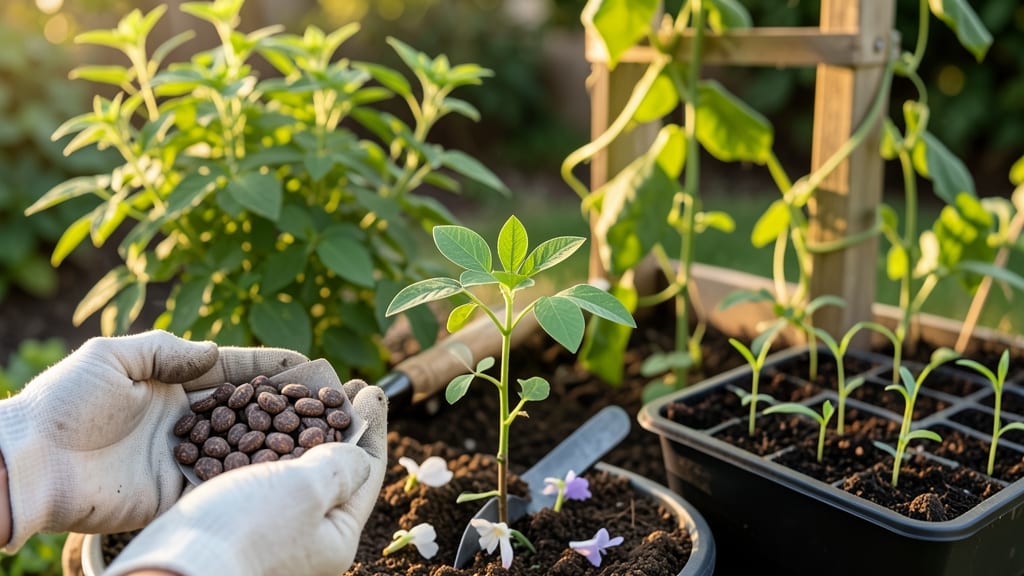
Colorado bean planting dates by elevation zone and variety
Colorado’s elevation zones create unique growing conditions for beans, where last frost dates can shift by weeks between the Front Range and mountain valleys. At 2,500–4,000ft, gardeners often plant beans by mid-April, while those above 10,000ft may wait until late June to avoid frost.
Understanding these variations ensures your green beans, black beans, and pole beans thrive without frost damage.
Soil temperature is just as critical as frost dates—beans need soil temps above 60°F to germinate properly. In low-elevation zones, this typically aligns with late April to early May, while high-elevation gardens may not reach this threshold until June or July.
Always test soil temperature with a soil thermometer before planting for best results.
For low-elevation gardens (2,500–4,000ft), like those in Denver or Colorado Springs, plant bush beans like Blue Lake in mid-April after the last frost. These varieties mature quickly (50–60 days) and handle Colorado’s unpredictable spring weather better than slower growers. Use row covers if late frosts threaten.
At mid-elevations (4,000–6,000ft), such as Fort Collins or Boulder, wait until May 1 to plant pole beans like Kentucky Blue. These need trellises to support their 4–6ft vines and thrive in longer daylight hours. Monitor soil moisture closely—drought stress reduces pod formation.
High-elevation growers (6,000–10,000ft) should focus on fast-maturing varieties like Black Valentine, which can complete their lifecycle in 55–60 days. Plant in late June or early July when soil temps stabilize.
Use black plastic mulch to warm the soil and extend the growing season by 2–3 weeks.
Above 10,000ft, only dwarf or bush varieties like Dwarf Blue Lake succeed. Plant in August for a late-summer harvest, using container gardening to control soil temperature. These high-altitude gardens benefit from cold-hardy seed starts—begin seeds indoors in June for transplanting by early August.
Regardless of elevation, always harden off seedlings before transplanting to prevent shock. In high-wind areas, like Western Slope regions, use windbreaks or low trellises to protect young plants. Pole beans are ideal for windy zones—their vertical growth reduces exposure.
Pro tip: Check the Colorado State University Extension frost maps annually, as last frost dates can shift by 1–2 weeks due to climate variability. For example, 2023 saw later frosts in northern Colorado, delaying planting by 10–14 days.
🌱
How to adjust planting timing for Colorado’s microclimates
Colorado’s dramatic elevation shifts—from Front Range valleys to high mountain meadows—create unique growing challenges. In Denver (5,280ft), you might plant beans in early May, while Aspen (8,000ft) gardeners wait until June. Microclimates also mean urban heat islands can push planting dates earlier by weeks compared to rural areas.
To succeed, focus on three key adjustments: soil temperature thresholds, late frost protection, and fast-maturing varieties.
For example, bush beans (like 'Blue Lake') thrive in 60°F soil, while pole beans (like 'Kentucky Wonder') need 65°F. High elevations often require 30-day earlier starts indoors to compensate for shorter summers.
- 1 Start seeds indoors 4-6 weeks before outdoor planting in zones above 7,000ft (e.g., Steamboat Springs).
- 2 Use row covers until soil warms to 60°F in lowland areas (e.g., Pueblo) to protect early seedlings.
- 3 Choose fast-maturing varieties (50-55 days) for elevations above 8,000ft (e.g., 'Contender' or 'Provider').
- 4 Direct-sow after May 15 in Denver/Boulder to avoid late May frosts, which can kill tender seedlings.
- 5 Extend the season with black plastic mulch in high elevations to warm soil 5-10°F faster in spring.
For high-elevation gardens, consider succession planting every 2 weeks from June to July. This ensures a steady harvest before first frost (October 1). For example, in Leadville (10,152ft), plant dwarf varieties like 'Blue Lake' in containers near south-facing walls to capture extra warmth.
Always check local frost dates from the Colorado State University Extension—their PlantTalk Colorado tool provides hyper-local advice. For instance, Grand Junction (4,500ft) can plant 2 weeks earlier than Fort Collins (5,000ft) due to desert microclimates. Monitor soil temperature with a soil thermometer—beans won’t germinate below 60°F.
Pro tip: Pole beans are ideal for high elevations because their vines create a microclimate that traps heat. Train them on trellises near dark-colored surfaces (like black plastic or rocks) to absorb and radiate warmth. In lowland areas, prioritize shade cloth during July-August heatwaves to prevent blossom drop.
Remember, Colorado’s growing season shrinks by 10-15 days per 1,000ft elevation gain. Use this rule to calculate your local frost-free window—then adjust your bean variety and planting method accordingly. With these tweaks, you’ll turn challenging microclimates into productive harvests! 🌿