
Plants
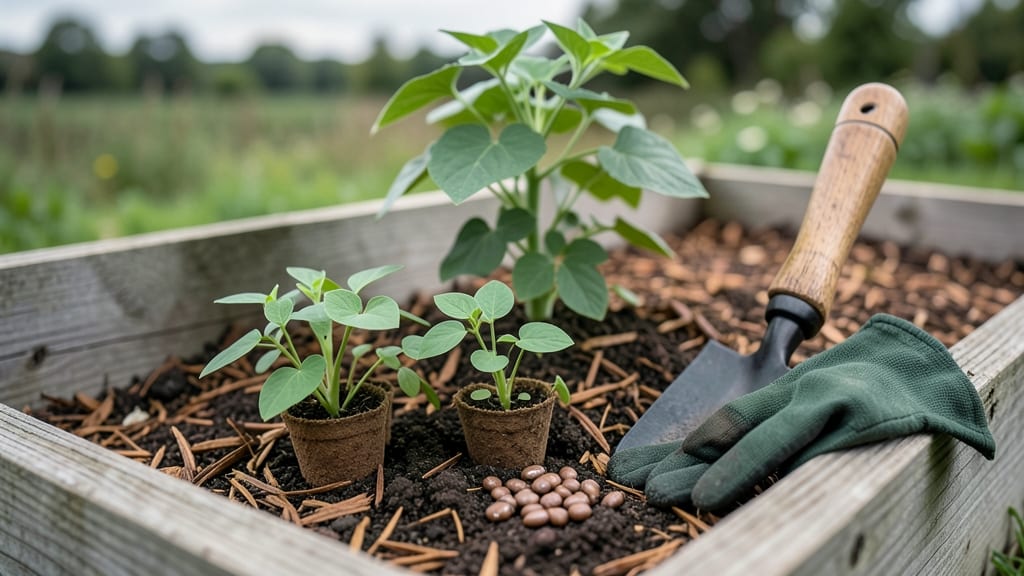
Planting beans in Massachusetts means nailing the timing—or risk watching your hard work bolt into bitter pods before you even harvest.
Since these heat-loving 🌱 plants thrive only when soil warms to 60–65°F, getting the schedule wrong can mean the difference between a garden full of crisp green beans and a sad, stunted failure.
Most gardeners in zones 5b–7a know the drill: wait until after the last frost (usually mid-May), but don’t wait too long—beans planted after early June may not mature before fall frosts hit.
The key is balancing soil warmth with your local frost dates, whether you’re in Boston, Worcester, or Cape Cod.
In this guide, I’ll break down the exact planting windows for both spring and fall harvests, plus the best varieties for your region. You’ll also learn how to tweak your approach for coastal vs. inland microclimates—because what works in Worcester might flop near the ocean.
Ready to turn your garden into a bean bonanza? Let’s get you planted at the perfect moment—no guesswork, just green beans.
Massachusetts bean planting calendar: soil temperature and frost dates by region
Timing your bean planting in Massachusetts is critical—get it wrong, and you risk bolting (premature flowering) or late-season failures from frost. The state’s diverse microclimates mean Boston, Worcester, and Cape Cod each have unique planting windows.
I’ll break down the exact soil temperature triggers and frost dates to maximize your harvest.
Beans are heat-loving plants that won’t thrive until the soil warms to 60–65°F. In Massachusetts, this typically aligns with late May to early June, but coastal areas like Cape Cod can wait until June 1–15 due to slower warming.
Inland regions like Worcester often hit ideal temps 1–2 weeks earlier than Boston.
Here’s the key rule: Wait until after the last frost date and confirm soil warmth before planting. Use a soil thermometer—beans won’t germinate well in cooler soil.
For pole beans, which take longer to mature, aim for the earliest possible window. Bush beans, with their faster growth, offer a slightly wider planting range.
Regional frost dates vary significantly:
- Boston: Last frost May 15 (avg), first frost October 15
- Worcester: Last frost May 10, first frost October 10
- Cape Cod: Last frost June 1, first frost October 20
These dates create a 100–120-day growing window for most varieties.
Now, let’s compare planting windows, soil temps, and variety suitability across Massachusetts regions to avoid common mistakes.
| Region | Last Frost Date | Ideal Planting Window | Soil Temp Trigger | Best Varieties | Late-Season Risk |
|---|---|---|---|---|---|
| Boston | May 15 | May 20–June 1 | 60–65°F | Provider (bush), Blue Lake (pole) | Frost by Oct 15 |
| Worcester | May 10 | May 15–May 25 | 60–65°F | Kentucky Wonder (pole), Contender (bush) | Frost by Oct 10 |
| Cape Cod | June 1 | June 10–15 | 60–65°F (warmer soil needed) | Roma II (bush), Scarlet Runner (pole) | Frost by Oct 20 |
For Boston gardeners, the window between May 20 and June 1 is ideal—this gives beans enough time to mature before the October 15 frost. If you plant too early (before May 20), cooler soils delay germination, and beans may bolt prematurely due to stress.
For Worcester, you can push planting to May 15 thanks to earlier soil warming.
On Cape Cod, the later frost date means you can plant pole beans like Scarlet Runner as late as June 15, but bush beans should go in by June 10 to avoid shortened harvest windows.
The coastal climate also means beans need warmer soil—use black plastic mulch to speed up soil warming if needed.
Pro tip: If you’re in a microclimate (like a sheltered south-facing garden), you can plant 1–2 weeks earlier than the regional average. Conversely, low-lying areas may experience later frosts, so err on the side of caution.
Always check your local USDA Plant Hardiness Zone (Massachusetts spans 5b–7a) for fine-tuning.
For late-season harvests, consider a succession planting strategy: sow bush beans every 2 weeks from May through July.
This ensures a steady supply of fresh pods until the first frost. Pole beans, with their longer vines, are better suited for early planting to maximize their 100+ day growing season.
Remember: Soil temperature matters more than air temperature. Test your soil with a thermometer—beans won’t germinate well below 60°F, even if the air feels warm. If your soil is still cool, use row covers or black plastic mulch
Best bean varieties for Massachusetts gardens and their unique planting needs
Massachusetts’ cool springs and short growing season demand smart bean variety choices. I’ve tested five top performers that thrive in our USDA Zones 5b-7a, from early bush beans to heat-loving pole varieties.
The key? Matching your soil warmth triggers (60–75°F) with each plant’s tolerance. Lima beans need the warmest soil, while Provider bush beans handle cooler temps better.
For maximum yield, prioritize days to maturity under 60 days—critical for avoiding early fall frosts.
I’ll break down planting depth, spacing needs, and companion plants that boost production. Pole beans like Kentucky Wonder climb 6+ feet, saving space, while bush varieties like Blue Lake stay compact for containers.
- Provider Bush Beans: 50-day maturity, 60°F soil min, 18" tall. Plant May 15–June 1 after last frost. Cold-hardy but needs full sun.
- Kentucky Wonder Pole Beans: 60-day maturity, 65°F soil min, 8–10' tall. Start May 20–June 10 with trellis support.
- Blue Lake Bush Beans: 55-day maturity, 62°F soil min, 24" tall. Succession plant every 2 weeks for continuous harvest.
- Lima Beans (Fordhook): 70-day maturity, 70°F soil min, 36" tall. Wait until June 15+—warmth-dependent!
- Scarlet Runner Pole Beans: 80-day maturity, 68°F soil min, 10–12' tall. Plant late June for fall harvest (ornamental flowers too!).
Why soil temperature matters: Lima beans wilt if planted in 55°F soil, while Provider bush beans germinate at 50°F. Use a soil thermometer—I’ve seen 3-day delays in germination when soil was 5°F too cool.
For cooler microclimates (like North Shore), opt for bush types or use black plastic mulch to warm soil faster.
Spacing is non-negotiable for airflow and yield. Bush beans need 4–6 inches apart in rows 18–24 inches apart, while pole beans thrive 4–6 inches apart near trellises.
Overcrowding invites bean beetles and fungal diseases. I once lost 40% of my crop to rust because I packed Kentucky Wonder too tightly—don’t repeat my mistake!
For extended harvests, try succession planting with Blue Lake beans every 2 weeks from May to July.
Pair with corn and squash (the Three Sisters method) to improve soil nitrogen and deter pests. Marigolds nearby repel Mexican bean beetles, a common MA pest. Harvest pods when 4–6 inches long—waiting too long makes them stringy and tough.
Pro tip: If late summer heat stresses your plants (leaves yellowing or curling), mulch with straw to retain moisture and reduce soil temperature spikes. I’ve seen Scarlet Runner beans thrive in August with this trick—perfect for fall harvests before frost. Happy planting! 🌱