
Plants
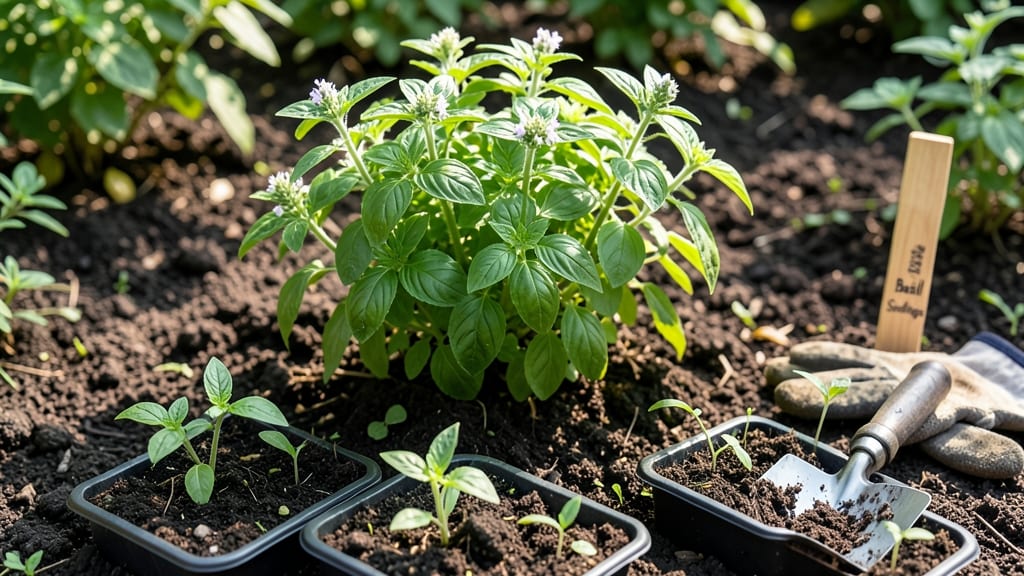
Planting basil in Colorado at the wrong time can turn your garden dreams into frost-killed disappointment—especially when those late spring freezes sneak in. The key to a thriving 🌿 basil patch lies in knowing your elevation zone and waiting for that perfect frost-free window.
Colorado’s USDA zones 5-7 mean timing varies wildly between lowland Denver and mountain towns like Boulder. While lowland gardeners can start seeds indoors by mid-March, high-elevation growers should wait until early June to avoid losing tender seedlings.
I’ve learned the hard way that rushing basil into cold soil leads to leggy, weak plants. The secret? Wait until soil temperatures hit 50°F and all frost warnings are gone—typically mid-April to early June depending on your location.
Whether you’re direct-sowing or transplanting, this guide will help you pinpoint the exact window for your elevation. Let’s make sure your basil grows strong enough to produce those flavorful leaves from June through September—no frost damage required.
Colorado’s frost-free zones: when to plant basil by elevation
Colorado’s dramatic elevation changes—from lowland valleys to high mountain slopes—create wildly different last frost dates and growing seasons for your basil. At 3,000 feet, you might see frost-free conditions by mid-April, while 7,000+ feet areas can linger until early June.
These differences mean your planting timeline must adapt to avoid frost damage or stunted growth.
For lowland regions (3,000–5,000 ft), like Denver or Colorado Springs, the average last frost date falls around April 15–May 1.
Here, you can start transplanting basil seedlings outdoors as early as mid-April, but direct sowing should wait until late April to early May when soil temperatures consistently stay above 50°F. The growing season stretches until first frost (mid-October), giving you a long harvest window.
In foothills (5,000–7,000 ft), such as Boulder or Fort Collins, frost lingers longer. Expect your last frost date to arrive between May 1–15, pushing transplanting back to late April to early May.
Direct sowing is best delayed until mid-May to ensure soil warmth. These areas benefit from microclimates—southern exposures or urban heat islands may allow earlier planting.
For mountain regions (7,000+ ft), including Aspen or Leadville, frost can persist until early June. Transplant basil seedlings no earlier than late May, and direct sowing should wait until mid-June to avoid cold-sensitive basil struggling.
The shorter growing season (until late September) means prioritizing fast-maturing varieties like 'Genovese' or 'Spicy Globe'.
To extend your basil’s growing season, consider starting seeds indoors 4–6 weeks before your last frost date. Use grow lights if natural light is limited, and transplant seedlings outdoors once they’ve developed 2–3 sets of true leaves.
For direct sowing, use biodegradable pots to avoid disturbing roots when transplanting later.
Microclimates play a huge role in Colorado. A south-facing wall or urban heat island can add 1–2 weeks to your frost-free period. Monitor your local Almanac frost dates and adjust planting by 10–14 days if your area runs warmer or colder than average.
For example, Denver’s urban core may be 2–3°F warmer than rural areas just 10 miles away.
If you’re unsure about your exact last frost date, use a minimum/maximum thermometer to track nighttime temperatures. Basil wilts at 32°F, so wait until temperatures consistently stay above 40°F before planting.
For high-elevation gardeners, row covers can push planting back by 2–3 weeks, but remove them during the day to prevent overheating.
Choose fast-maturing varieties like 'Sweet Basil' or 'Thai Basil' for shorter seasons. These reach harvestable size in 45–50 days, while slower varieties like 'Genovese' take 60+ days.
Succession planting—sowing new seeds every 2 weeks—ensures a continuous harvest until first frost. Save seeds from your best plants to grow next year’s crop!
Extending your basil season: cold protection and succession planting tips
Colorado’s short growing season can make it tricky to keep your basil thriving from spring to fall. But with the right strategies, you can extend your harvest by weeks—or even months! The key is combining cold protection with succession planting, two techniques that work beautifully together.
Whether you're growing in Denver’s 5,000-foot elevation or the mountain valleys, these methods will help you enjoy fresh basil long after your neighbors' plants bolt.
Basil is a warm-season herb that struggles when temperatures dip below 50°F. However, Colorado’s USDA Zones 5-7 offer creative ways to push its limits. By using row covers, cold frames, and staggered plantings, you can turn your garden into a basil powerhouse.
Even in cooler microclimates, varieties like Genovese and Spicy Globe can thrive with a little extra care. Let’s dive into how to make the most of your growing season.
- Use row covers to protect seedlings from late spring frosts (common in May). Lightweight fabric raises soil temps by 5-8°F.
- Plant cold-hardy varieties like Sweet Basil or Thai Basil, which tolerate 45-50°F better than others.
- Set up a cold frame in September to extend harvests into October. Clear plastic traps heat during the day.
- Succession plant every 2 weeks from late May to July for a continuous harvest. Space seeds 1/4 inch deep.
- Harvest aggressively to encourage bushier growth. Pinch off flower buds to prevent bolting.
One of the easiest ways to extend your basil season is with row covers. These lightweight fabrics act like a blanket, shielding tender seedlings from late frosts that can hit Colorado as late as May 15 in higher elevations.
I’ve used them to protect my Genovese basil seedlings, and they’ve let me plant 3-4 weeks earlier than I would’ve dared without them. Just remember to remove the covers during the day to prevent overheating, especially if temperatures climb above 80°F.
For gardeners in Denver or Boulder, where nights can still be chilly in early summer, a cold frame is a game-changer. These low, glass-covered boxes create a mini greenhouse effect, allowing you to grow basil until mid-October in many areas.
I built one from an old window frame and plywood, and it’s paid for itself in extended harvests. Place it in a south-facing spot to maximize sunlight, and vent it on warm days to prevent wilting.
Don’t forget about succession planting—this is how I’ve managed to enjoy basil from June through September without gaps. Start your first batch in late May after the last frost, then sow new seeds every 2 weeks until early July.
This staggered approach ensures you always have fresh basil while older plants mature. Pro tip: Use biodegradable pots for seedlings to avoid transplant shock when moving them to the garden.
If you’re growing basil in container gardens, move pots to a sunny porch or greenhouse in early fall to extend the season. Even a south-facing windowsill can work if you supplement with a grow light for 12 hours a day.
I’ve kept my Thai basil thriving indoors until Christmas with this method, though the flavor mellows slightly as days grow shorter. Still, it’s better than no basil at all!
Finally, choose cold-tolerant varieties like Sweet Basil or Purple Ruffles for better success in Colorado’s climate. These types handle cooler temps better than Genovese or Cinnamon Basil, which bolt quickly in heat.
Pair them with mulch to keep soil temps stable, and you’ll be harvesting well into fall—just in time for your favorite pesto recipes!