
Plants
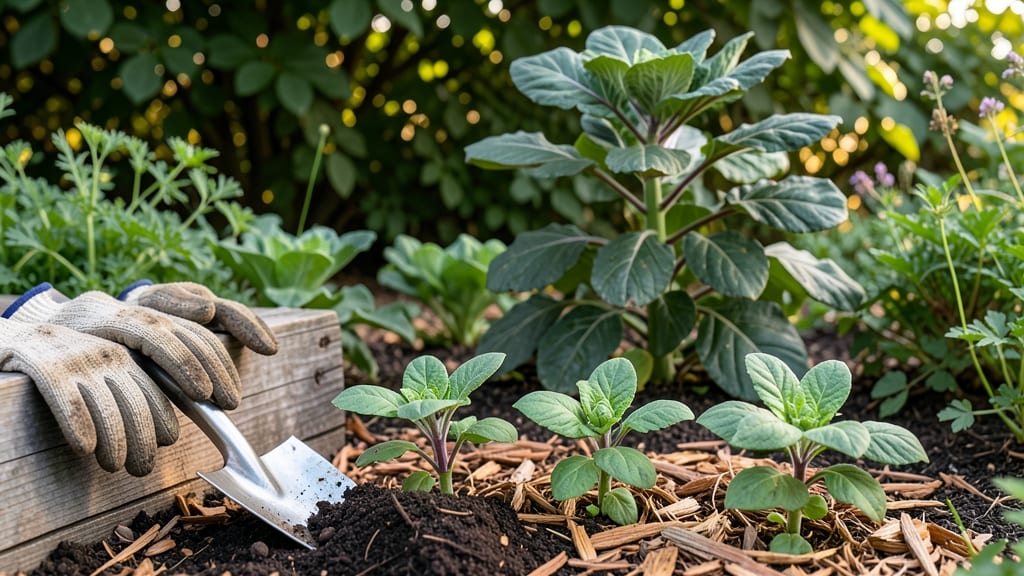
Timing your 🥦 Brussel sprouts planting in Colorado can mean the difference between a thriving fall harvest and a sad, frost-nipped garden. With our state's dramatic elevation shifts and unpredictable mountain weather, getting the window right is everything.
Most Colorado gardeners know spring and fall are the best times, but the exact dates depend on where you live.
Denver's Zone 6a gardeners can start in mid-April, while those in the Western Slope's Zone 5b need to wait until early May to avoid those cruel late frosts that strike after May 15.
What you'll discover here are the precise planting windows tailored to your elevation zone, plus smart strategies to protect your young plants from Colorado's infamous 10-degree dips that can arrive seemingly overnight.
Let's make sure your 🥦 Brussel sprouts get the perfect start - because when those little green gems are ready for harvest in October, you'll want every one of them to be tender and delicious.
Colorado’s ideal planting windows for Brussel sprouts by elevation zone
Colorado’s dramatic elevation shifts—from the 3,000-foot Front Range to 10,000-foot mountain valleys—create wildly different planting windows for Brussel sprouts. At lower elevations, you might start seeds in mid-April, while high-altitude gardeners wait until late May to avoid frost.
The key? Matching your last-frost dates to the plant’s 90-100 day maturity.
Brussel sprouts thrive in cool fall weather, making them perfect for Colorado’s climate—but only if planted at the right time. Miss the window, and you’ll either face stunted growth from heat stress or frost damage before harvest.
Let’s break down the best planting schedules by elevation zone to ensure your 🥦 sprouts reach their full potential.
| Elevation Zone | Avg. Last Frost | Spring Planting Window | Fall Planting Window | Transplant Tip |
|---|---|---|---|---|
| Lowlands (3,000–5,000 ft) | May 1–10 | Mid-April to early May | Late July to early August | Use row covers for late frosts |
| Foothills (5,000–7,000 ft) | May 15–25 | Late April to mid-May | Early to mid-August | Choose cold-hardy varieties |
| Mountains (7,000+ ft) | June 1–15 | Late May to early June | Mid-August to early September | Start indoors 8 weeks early |
For lowland gardeners (3,000–5,000 ft), like those in Denver or Colorado Springs, aim to plant seeds 4–6 weeks before your last frost. This typically means mid-April to early May for a fall harvest.
If you’re in Pueblo or the Arkansas Valley, you can push it slightly earlier, but always monitor frost forecasts—a late freeze can wipe out seedlings overnight.
In the foothills (5,000–7,000 ft), such as Boulder or Fort Collins, your window narrows. Plant late April to mid-May for spring starts, but be ready to protect young plants with frost cloth if temperatures dip below 28°F.
For fall planting, early to mid-August is ideal—this gives your sprouts time to mature before first frost hits in mid-October.
High-altitude gardeners (7,000+ ft), like those in Aspen or Leadville, face the shortest growing season. Start seeds indoors by late March and transplant late May to early June.
For fall, mid-August to early September is your only shot—any later, and you’ll risk stunted growth before hard frosts arrive in September. Consider short-season varieties like ‘Long Island Improved’ or ‘Ruby Ball’ for faster harvests.
Transplanting is where many Colorado gardeners stumble. Brussel sprouts hate root disturbance, so harden off seedlings for 7–10 days before moving them outdoors. Water deeply the day before transplanting to reduce shock, and plant in well-draining soil with a pH of 6.0–7.0.
A mulch layer helps retain moisture and regulate soil temperature—critical in Colorado’s dry, variable climate.
Pro tip: Use succession planting to extend your harvest. In lowlands, sow a second batch every 2 weeks from July to August for a staggered fall crop. In higher elevations, stick to one planting per season but choose early-maturing varieties to maximize your yield before frost.
Always harvest from the bottom up—this encourages more sprouts to form higher on the stalk.
Remember, Colorado’s weather is unpredictable. Even if your neighbors swear by a certain planting date, check your local frost data (try the National Weather Service or Almanac.com) and adjust accordingly. A 5°F difference can mean the difference between a bountiful harvest and a failed crop.
With the right timing, your Brussel sprouts will reward you with sweet, tender harvests well into winter—just in time for holiday feasts. Happy planting! 🌱
How to extend your growing season for Brussel sprouts in Colorado’s climate
Colorado’s unpredictable frost patterns can turn a promising Brussel sprout harvest into a winter loss if you’re not prepared. The key to success lies in strategic season extension—using tools and techniques to shield your plants from late spring frosts and early fall chills.
Whether you’re in the Denver metro area or the Rocky Mountain foothills, these methods will help you protect seedlings and maximize yields.
One of the most effective ways to extend your growing season is by leveraging microclimates in your garden. South-facing slopes or areas near buildings and fences absorb heat during the day and radiate it back at night, creating a warmer microclimate.
This can give your Brussel sprouts a 2-3 week head start compared to cooler spots in your yard. Additionally, mulching with straw or wood chips insulates the soil, keeping roots warmer longer and preventing frost heave.
Brussel sprouts are extremely frost-sensitive as seedlings. Even a light frost (28°F) can kill young plants, while mature plants tolerate 20-25°F. Plant after your last frost date (typically May 15 in lowlands to June 15 in mountains), or use season extenders to protect them earlier.
For early spring planting, use floating row covers or low tunnels to create a protective barrier against late frosts. These lightweight fabrics allow sunlight and water to penetrate while trapping heat and shielding plants from chilling winds.
I’ve had great success with agricultural fabric row covers, which can raise soil temperatures by 5-10°F and delay frost damage by up to 3 weeks. Just remember to secure the edges with bricks or soil to prevent wind damage.
If you’re aiming for a fall harvest, cold frames are a game-changer. These mini greenhouses can extend your season by 4-6 weeks by trapping heat during the day and insulating at night.
Place your Brussel sprouts in the cold frame 6-8 weeks before the first frost (typically late August to early September in Colorado) to protect maturing plants from early autumn chills. For best results, use clear polycarbonate panels for durability and ventilation flaps to regulate temperature.
Another proven strategy is succession planting. Instead of planting all your Brussel sprouts at once, space out plantings every 2-3 weeks from mid-April to early June. This ensures a continuous harvest and reduces frost risk by staggering plant maturity.
For example, plant half your seeds in late April (protected with row covers) and the other half in early May (when frost risk drops). This way, even if a late frost hits, you’ll still have mature plants ready for harvest.
Finally, don’t overlook the power of plant placement. Grouping Brussel sprouts with taller plants like corn or sunflowers creates a natural windbreak and reduces heat loss at night. Additionally, planting near evergreen trees on the north side can provide wind protection and slightly warmer microclimates.
Combine these techniques with regular monitoring of weather forecasts, and you’ll be well on your way to a successful, frost-free harvest.