
Plants
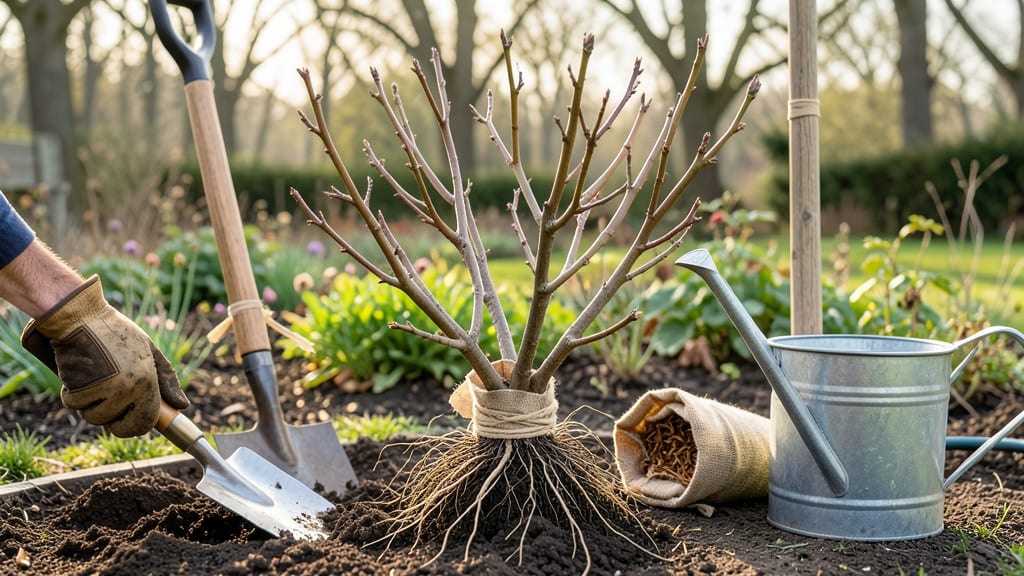
Planting bare root roses at the wrong time can mean the difference between lush, fragrant blooms and struggling vines—especially in California’s diverse climate zones.
If you're a California gardener dreaming of a 🌹 rose garden that thrives year after year, timing is everything. The key window for planting these delicate roots isn't just about picking a month—it's about understanding your specific microclimate, whether you're in coastal 9b-10a or inland 9a-10a valleys.
Most gardeners know winter is the best season, but did you know planting too early in Southern California's desert regions or too late in coastal fog zones can actually harm your roses?
I'll show you exactly when to dig in for each zone, plus how to prep your soil and care for your new plants so they take root strong.
Let's get your roses growing with confidence—no more guesswork, just thriving blooms that last for years. Ready to learn the perfect planting schedule for your California garden?
California’s 9 climate zones: best bare root rose planting months by region
California’s diverse climate zones create unique challenges for planting bare root roses. Coastal areas enjoy mild winters, while inland deserts face extreme heat—both require tailored timing. Understanding your USDA zone (7-10) and microclimate ensures your roses establish strong roots before summer stress arrives.
Bare root roses thrive when planted during their dormant season, typically November through March. However, coastal gardeners can extend planting into early April, while desert regions should finish by late February to avoid premature budding.
Let’s break down the best months for each of California’s 9 key zones.
| Zone | Best Planting Months | Key Considerations | Frost Risk |
|---|---|---|---|
| Coastal (9b-10a) | November–April | Mild winters; plant after first rains | Low (rare frost) |
| North Coast (8a-9a) | October–March | Cooler temps; extend into early spring | Moderate (light frosts) |
| Central Valley (9a-10a) | November–February | Hot summers; avoid early spring | Low (occasional light frost) |
| Southern California (10a-11) | November–January | Warm winters; plant early to avoid heat | None |
| Desert (9a-10a) | November–February | Extreme heat; prioritize winter planting | None |
| Sierra Foothills (7b-8a) | October–March | Cooler nights; extend into spring | High (frequent frost) |
| Bay Area (9a-10a) | November–March | Fog delays; plant after rains | Low (occasional light frost) |
| Los Angeles Basin (10a) | November–January | Mild winters; avoid late planting | None |
| Inland Empire (9a-10a) | November–February | Hot days; plant in cooler months | Low (light frost possible) |
In coastal zones (9b-10a), like San Diego or Santa Barbara, you can plant as late as early April thanks to mild winters. However, fog delays can slow root establishment, so prioritize planting after the first significant rains.
For desert regions (e.g., Palm Springs), finish by late February—summer heat will stress newly planted roses before they’ve established roots.
Gardeners in the Central Valley (9a-10a) should aim for November–February planting. The valley’s hot summers make early spring planting risky, as roses may bolt into growth too soon.
For Sierra Foothills (7b-8a), where frosts linger, extend planting into March—just be ready to protect young plants with burlap wraps if frost warnings arise.
If you’re in Southern California (10a-11), like Los Angeles or San Diego, focus on November–January planting. The region’s warm winters mean roses can wake from dormancy too early, leading to weak stems.
In cooler microclimates, like the North Coast (8a-9a), you can plant as early as October—just ensure soil temps stay above 40°F (4°C) to prevent root rot.
For early planting (October–November), prioritize hardy varieties like Knock Out roses or David Austin English roses. These tolerate cooler soils better than hybrid teas. If you’re <
Signs your California soil and weather are ready for bare root roses
California’s diverse microclimates mean your bare root roses need specific conditions before planting. The key is watching for soil temperature, rainfall patterns, and dormancy cues—not just checking a calendar. If you miss these signs, your roses may struggle with transplant shock or heat stress.
First, check your soil temperature. Ideal planting occurs when soil is between 40-50°F. Use a soil thermometer to confirm—cooler temps in Northern California (like Zone 7) mean November planting, while Southern California (Zone 10) can wait until January. Frost-free forecasts also play a role.
Next, observe rainfall patterns. Bare root roses thrive with consistent moisture but hate soggy soil. Aim for 1-1.5 inches of rain weekly or plan to water deeply. In drought-prone areas, like the Central Valley, prioritize planting after natural winter rains to reduce irrigation needs.
Look for dormancy cues in your roses. Healthy bare root roses arrive dormant with no leaves or buds. If you see green shoots or blooms, the rose is waking up too early—wait until cooler weather. This is especially critical in coastal fog zones, where temperatures stay mild year-round.
Before planting, prep your site. Choose a location with 6+ hours of sun and well-draining soil. Amend heavy clay soil with compost or sand to prevent root rot. In windy coastal areas, like San Francisco, add a windbreak (e.g., bamboo fence) to protect young canes.
Gather your tools and materials ahead of time. You’ll need a shovel, pruners, compost, mulch, bone meal (for phosphorus), and stakes. Zone 9-10 gardeners should also have shade cloth ready for summer heat protection. Pro tip: Soak bare roots in water for 1-2 hours before planting to rehydrate them.
Once you’ve confirmed the signs, act quickly! Bare root roses establish best when planted within 2-3 weeks of purchase. With the right timing and prep, your California roses will reward you with vibrant blooms all season. 🌹