
Plants
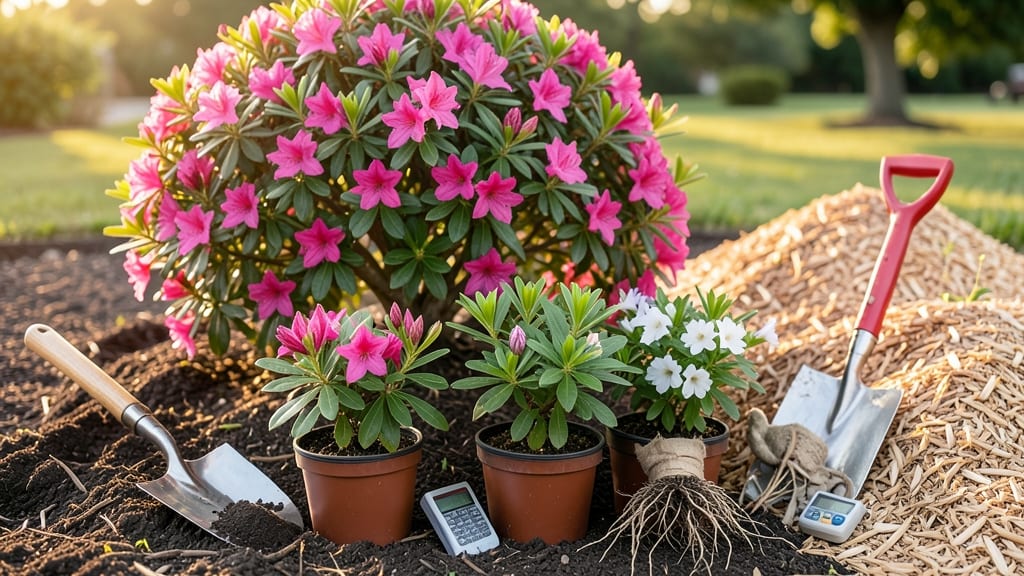
Planting azaleas in Texas at the wrong time could mean frost-nipped leaves or missed bloom seasons—so timing is everything for those stunning 🌸 displays.
Whether you're in North Texas or the Gulf Coast, getting it right means choosing between fall's cooler months or early spring's gentle warmth, both critical for root establishment.
The key lies in understanding your region's chill-hour needs, which vary dramatically from 400-700 hours in South Texas to over 1,000 hours in the Hill Country.
I'll break down exactly when to plant based on your zone, including how to avoid late frosts that can devastate young shrubs before they even bloom.
You'll discover why October-November is ideal for most Texans, how early spring planting works in warmer zones, and which azalea varieties thrive best in your specific heat and humidity. These insights will help you skip the trial-and-error and plant with confidence for vibrant blooms year after year.
Ready to transform your yard into a springtime spectacle? Let's dive into the exact planting windows, soil prep secrets, and post-planting care that'll keep your azaleas thriving through Texas summers—and blooming beautifully for decades.
Texas azalea planting Zones: chill-hours breakdown by region
Texas's diverse climate means azaleas thrive in different chill-hour zones, each requiring specific timing to ensure stunning blooms. The Southern Plains (400-700 chill hours) demand early planting, while East Texas (700-1000 chill hours) and Hill Country (1000+ chill hours) need later windows to avoid frost damage.
Matching your azalea variety to your region's chill hours is the secret to reliable spring color.
Understanding chill-hour requirements prevents common mistakes like planting too late in North Texas (Zone 8a) or too early in South Texas (Zone 9a-10a). For example, 'George L. Taber' azaleas need 500-700 chill hours, while 'Dr. Huey' thrives with 900-1200 chill hours.
Let's break down the best planting windows for each Texas region to maximize your azalea's potential.
Chill hours measure winter cold exposure needed for azaleas to bloom. Southern Texas (400-700 hours) has milder winters, while Hill Country (1000+ hours) experiences colder spells. Planting at the right time ensures roots establish before dormancy, setting the stage for vibrant spring blooms.
Here's how Texas's three main azalea zones differ in chill hours and ideal planting windows:
| Region | Chill-Hour Range | Best Planting Window | Recommended Varieties | Key Consideration |
|---|---|---|---|---|
| Southern Texas | 400-700 | October 15 - November 15 | 'George L. Taber', 'Southern Indica' | Minimal winter chill; avoid late planting |
| East Texas | 700-1000 | September 20 - November 1 | 'Dr. Huey', 'Oconee' | Moderate chill; protect from early frosts |
| Hill Country | 1000+ | October 1 - November 15 | 'Girard's Pink', 'Formosa' | High chill needs; plant after first frost |
| North Texas | 700-900 | September 25 - October 15 | 'George Taber', 'Hershey's Red' | Early frost risk; mulch heavily |
For Southern Texas gardeners, planting between October 15 and November 15 aligns with the region's 400-700 chill hours. Varieties like 'Southern Indica' thrive here, but avoid late planting—winters are too mild for late root establishment.
In East Texas (700-1000 chill hours), aim for September 20 to November 1 to balance frost risk and root growth.
The Hill Country's 1000+ chill hours create ideal conditions for 'Girard's Pink' azaleas, but planting must occur after the first frost (typically mid-October). This timing ensures roots harden before winter's coldest months.
In North Texas (700-900 chill hours), early planting (September 25-October 15) prevents frost damage to tender roots.
Container planting offers flexibility for urban gardeners or those with microclimates. Move pots to sheltered areas during cold snaps, especially in Southern Texas, where unpredictable frosts can damage newly planted azaleas. Always use well-draining, acidic soil (pH 4.5-6.0) and mulch heavily to retain moisture and regulate soil temperature.
Timing isn't just about the calendar—it's about local microclimates. A north-facing slope in Austin may experience 1000+ chill hours, while a south-facing yard in Corpus Christi might see only 500 hours.
Use your local cooperative extension service for precise chill-hour data tailored to your specific zip code.
Pro tip: Fall-planted azaleas establish roots before winter, giving them a head start for spring blooms. If you miss the fall window, early spring planting (February-March) works for Hill Country varieties, but avoid late spring planting—summer heat stresses newly planted shrubs.
Always water deeply after planting to reduce transplant shock.
🌸
Best months to plant azaleas in Texas: month-by-month calendar
Timing is everything when planting azaleas in Texas. The fall season offers the sweet spot—cool soil temperatures and reduced evaporation give young roots the perfect start. But Texas' diverse climate zones mean your North Texas neighbor might plant in October while South Texas gardeners wait until November.
Let's break down the ideal windows month-by-month to maximize your azalea blooms.
Before we dive into the calendar, remember: acidic soil (pH 4.5-6.0) and morning sun with afternoon shade are non-negotiable. Texas summers are brutal—planting too early risks leaf scorch, while waiting too late can stunt root development before winter.
The goal is to give your azaleas 6-8 weeks of root establishment before the first frost hits your region.
🌿 Numbered Highlights: Azalea Planting Calendar for Texas
- September: North Texas only (Zones 8a-9a). Soil temps must stay above 60°F. Prepare beds with compost and sulfur to lower pH. Water deeply 2-3x/week to prevent transplant shock.
- October: Best month statewide. Soil temps 50-60°F ideal for root growth. Central Texas and East Texas should plant early October. Hill Country gardeners wait until mid-October to avoid early frost.
- November: South Texas (Zones 9b-10a) last chance. Soil temps below 50°F signal dormancy—plant bare-root azaleas by November 15th. Mulch heavily (3-4 inches) to insulate roots.
- February-March: Early spring backup. Wait until after last frost (March 1 in Central Texas). Container-grown azaleas have higher success than bare-root in spring. Water daily for first 2 weeks.
- Avoid: April-July planting. Extreme heat causes transplant shock. September in South Texas is too hot—roots can't establish before summer returns.
Let's focus on the September-November window, where most Texas gardeners should plant. In September, only North Texas gardeners (Zones 8a-9a) should attempt planting, and only if daytime highs stay below 90°F.
The key is preparing your soil 4-6 weeks before planting—amend with peat moss or pine bark fines to maintain that critical acidic pH. I like to add a slow-release fertilizer like 8-10-10 during this prep phase to give roots a nutrient boost.
October is the golden month for azalea planting across Texas. By this time, summer's intensity has faded, and soil temperatures drop to the 50-60°F range, perfect for root development. Central Texas gardeners should plant in early October, while East Texas can extend until mid-October.
The Hill Country (Zones 8b-9a) should wait until mid-to-late October to avoid the first November frost. Pro tip: Soak the root ball thoroughly before planting to reduce transplant shock.
November offers a second chance for South Texas gardeners (Zones 9b-10a), where frost is rare but possible after November 15th. If you're in Houston or Corpus Christi, plant bare-root azaleas by November 1st for best results.
The cooler temperatures mean you can plant deeper than container-grown specimens—aim for the top of the root ball to be 1-2 inches below soil level. Always mulch with 3-4 inches of pine straw or wood chips to protect roots during any potential cold snaps.
While fall planting is ideal, early spring (February-March) works if you missed the fall window. The critical factor is waiting until after your region's last frost date. In North Texas, that's typically March 15th, while Central Texas can plant as early as February 20th.
For spring planting, container-grown azaleas outperform bare-root varieties because their roots are already established. Water daily for the first two weeks and provide afternoon shade with shade cloth if temperatures exceed 85°F.
Remember, Texas azaleas thrive with patience. The first year after planting should focus on root establishment rather than blooms. Prune any dead or damaged branches in late winter, but avoid heavy pruning—it removes next year's flower buds.
With the right timing and care, your azaleas will reward you with vibrant spring blooms for years to come. 🌸