
Plants
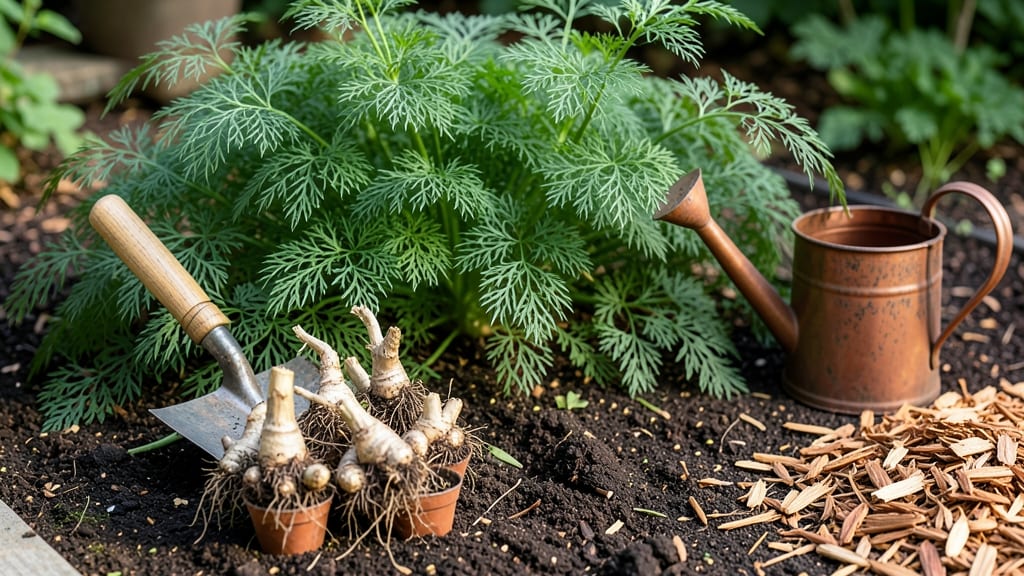
Planting asparagus in Zone 9 during the coldest months—January through February—is your golden ticket to a bountiful harvest, but timing it wrong could leave you waiting years for those prized spears.
Unlike cooler climates, Zone 9’s mild winters mean asparagus crowns need a little extra help to break dormancy and establish strong roots before spring kicks in.
Most gardeners in Southern California, Arizona, or Nevada overlook the fact that asparagus thrives when it experiences a period of cooler temperatures, even in our warm zone. The trick?
Planting crowns 8-12 inches deep in well-drained soil during late winter ensures they’ll develop the deep root system needed to survive the heat and produce spears by spring.
I’ve learned the hard way that rushing the process—like planting in fall or early spring—often leads to weak growth or even failure. But with the right prep, you can mimic the chill asparagus needs, setting yourself up for a harvest as early as March and continuing through May.
Ready to avoid the common mistakes and get your asparagus off to the best start? Let’s break down exactly how to time your planting for success in Zone 9’s unique climate.

Zone 9 asparagus planting calendar: best months for root development
Zone 9 gardeners have a unique advantage when planting asparagus—our mild winters create ideal conditions for root establishment if timed correctly. Unlike colder zones, we don't face frost risks, but asparagus still needs a cool dormancy period to develop strong roots before spring growth.
The key is planting when soil temperatures drop to 50-60°F, signaling the plant to focus on root growth rather than foliage.
Most gardeners assume spring planting is best, but in Zone 9, fall and winter planting often yield better results. This is because cooler temperatures naturally slow growth, allowing roots to establish before the heat of summer.
However, timing is critical—plant too early, and roots may overgrow; too late, and summer heat will stress young plants.
Comparison Table: Best Planting Windows for Zone 9 Asparagus
For Zone 9 gardeners, January and February represent the sweet spot for planting asparagus crowns. During these months, daytime temperatures typically hover between 55-70°F, while nighttime lows drop to 45-55°F—perfect for stimulating root growth without triggering premature foliage production.
This cool-season window gives roots 8-12 weeks to establish before summer heat arrives.
An often-overlooked strategy is fall planting in October or November, which I've had great success with in my own garden. Planting crowns when soil temperatures are still warm but cooling allows roots to begin forming before winter's mildest period.
The key is to plant 6-8 weeks before your area's first significant temperature drop—in most of Zone 9, this means no cooler than 50°F for extended periods.
If you're in a coastal Zone 9 area (like San Diego), you can push planting slightly later into March, as ocean breezes moderate temperatures. However, inland areas should avoid planting after mid-February to prevent summer heat stress.
I've seen asparagus planted in April struggle with root desiccation during our dry summers, leading to poor establishment.
One common mistake is assuming that because Zone 9 has no frost, we can plant asparagus anytime. But asparagus requires a period of dormancy to develop strong roots. Without this, plants may produce weak, fibrous spears or fail to establish properly.
The solution? Use organic mulch (like straw) to maintain even soil temperatures and simulate a cooler environment.
For maximum success, aim to have your asparagus crowns planted by mid-February in most of Zone 9. This gives roots enough time to establish before the peak growing season begins.
In my experience, crowns planted during this window often produce harvestable spears within 2 years, compared to 3+ years with less optimal timing.
Remember that asparagus is a perennial crop that will reward you for years if planted correctly. The time you invest in proper planting timing and soil preparation now will pay off with decades of harvests—far beyond the typical 3-5 year lifespan of annual vegetables.
🌱
How to prepare asparagus crowns for Zone 9 planting: pre-chilling and soil requirements
Zone 9 gardeners face a unique challenge with asparagus: our mild winters lack the 30-60 days of chill hours (below 45°F) that crowns need to establish properly. Without this cold dormancy period, roots struggle to develop, delaying harvests by 2-3 years.
The solution? A combination of pre-chilling and soil prep tailored to our climate.
Start by selecting crowns from cold-hardy varieties like 'Jersey Knight' or 'Pacific 2000', which tolerate minimal chill better than standard types. These varieties can adapt to Zone 9 with the right preparation, but even they need help simulating winter conditions.
The goal is to mimic 4-6 weeks of 40°F nights before planting.
Method 1: Refrigerator Chilling
Wrap crowns in damp paper towels and place in a plastic bag. Store in your crispest drawer (35-40°F) for 4-6 weeks. Check weekly for mold.
Test soil pH (6.5-7.0 ideal) and amend with 30% compost and 20% perlite for drainage. Zone 9 soils often compact easily—aim for loamy texture with 2-3 inches of organic matter in top 12 inches.
Bury crowns 8-12 inches deep with roots facing down. In Zone 9, deeper planting helps insulate roots from winter heat spikes (common in desert climates) while encouraging downward growth.
Water deeply once weekly for first 8 weeks, then reduce to bi-weekly. Mulch with 2-3 inches of straw to maintain even soil temps (60-70°F during day, 50-55°F at night).
After planting, monitor soil moisture closely—Zone 9's low humidity and intense sun can dry out newly planted crowns faster than expected. A drip irrigation system set to 1-1.5 inches per week prevents stress. Remember, asparagus crowns need 2 full growing seasons to establish before harvest, so patience is key.
For gardeners in coastal Zone 9 (e.g., Southern California), where winters are cooler, you can plant as early as December. Inland areas (e.g., Phoenix) should wait until February to avoid heat stress during root establishment.
The right timing and prep can cut your wait for spears from 3 years to 2 years.
Pro tip: Mark your planting spots with bamboo stakes to avoid disturbing roots during the first critical year. Asparagus is a perennial investment, and proper prep in Zone 9 pays off with decades of harvests if done right. 🌱