
Plants
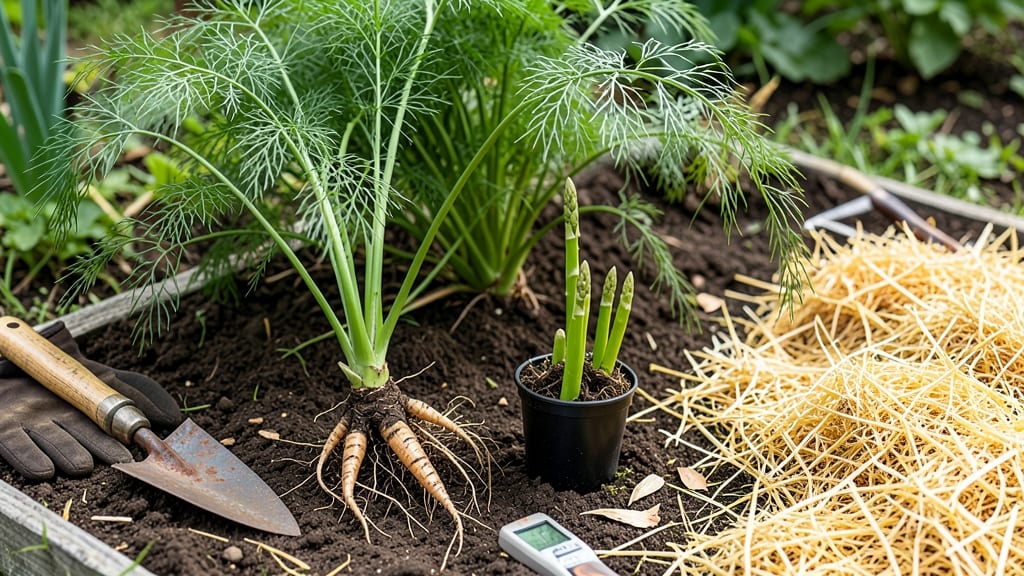
Timing your asparagus planting in Utah wrong could mean waiting three years for that first harvest—or worse, watching your crowns freeze before they even take root. The key to success lies in understanding Utah’s microclimates, where a 50-degree difference between Salt Lake City and St. George can change everything.
While most gardeners aim for early spring, Utah’s USDA zones 5a-7b actually offer two windows: a cooler early spring option and a fall planting trick that works in milder regions.
I’ll break down exactly when to plant—whether you’re in the high desert, mountain valleys, or southern Utah—so you can avoid the most common mistakes and set your asparagus up for a decade-long harvest.
You’ll also discover how to prep your soil for Utah’s alkaline conditions, when to expect those critical frost dates, and which asparagus varieties handle our temperature swings best. No more guessing—just proven strategies for cold-hardy growth that actually work in Utah’s unpredictable climate.
Ready to turn your garden into a spear-producing powerhouse? Let’s get those 🌱 crowns in the ground at the perfect moment—because in Utah, timing isn’t just important, it’s everything.
Utah’s best asparagus planting windows by microclimate Zone
Utah’s diverse microclimates create unique challenges for planting asparagus crowns. The Wasatch Front (Salt Lake City) experiences rapid temperature shifts, while Park City’s mountain valleys face early frosts.
Meanwhile, St. George’s desert climate demands precise timing to avoid heat stress. Each zone requires soil temperature checks and frost date adjustments for success.
Asparagus thrives in USDA zones 4-8, but Utah’s elevation variations mean planting windows differ by hundreds of miles. For example, Salt Lake City (Zone 6a) typically plants in March-April, while St. George (Zone 7b) can start as early as February.
Understanding these microclimate differences ensures your asparagus crowns establish before summer heat arrives.
Soil temperature is critical—asparagus crowns need 50-60°F soil to root successfully. In high desert areas, this often means waiting until late March, while mountain valleys may need to plant by mid-April to avoid frost. Use a soil thermometer to confirm readiness before planting.
Here’s how Utah’s three key zones differ in planting timing, soil prep, and frost considerations:
| Zone & Location | USDA Zone | Best Planting Window | Soil Temp Requirement | Last Frost Date | Key Tip |
|---|---|---|---|---|---|
| High Desert (Salt Lake City) | 6a (-10°F) | March 15–April 15 | 50–60°F | April 15–May 1 | Use row covers for late frosts. |
| Mountain Valleys (Park City) | 5a (-20°F) | April 1–April 15 | 55–65°F | May 1–May 15 | Plant crowns deeper (8 inches) for cold protection. |
| Southern Utah (St. George) | 7b (5°F) | February 15–March 15 | 50–60°F | March 1–March 15 | Mulch heavily to retain moisture in dry heat. |
In Salt Lake City’s high desert, the last frost date often falls around April 15, giving you a 6-week window to plant asparagus crowns before summer heat arrives.
Aim for soil temperatures above 50°F—cold soil delays root establishment. If planting late, use black plastic mulch to warm the soil faster.
For Park City’s mountain valleys, where frost can linger until May, prioritize early-maturing varieties like ‘Mary Washington’ or ‘Jersey Knight.’ Plant crowns deeper (8 inches) to protect them from freeze-thaw cycles. Wait until soil warms to 55°F—colder temps risk root rot.
Southern Utah’s St. George climate allows earlier planting, but drought stress is the bigger threat. Start asparagus in February and mulch with 4–6 inches of straw to lock in moisture. Avoid planting after March 15, as summer temperatures can exceed 100°F, shocking young plants.
Pro tip: Test your soil’s pH (asparagus prefers 6.5–7.5compost or lime if needed. In high desert areas, add organic matter to improve water retention. For mountain zones, focus on drainage to prevent frost heave.
Once planted, avoid harvesting spears in the first year—let foliage grow to build strong root systems. In Utah’s Zone 6a–7b, you’ll see spears by year 2, with peak harvests in April–June. Use drip irrigation to keep soil consistently moist without overwatering.
Remember: Asparagus is a perennial, so timing your first planting correctly means decades of harvests with minimal replanting. Follow these zone-specific windows
Utah’s extreme temperature shifts and high-altitude zones demand asparagus varieties that can handle both freezing winters and hot summers. The right selection ensures reliable harvests for years, even in USDA zones 5a-8b. From early-maturing types for short seasons to heat-resistant crowns for southern Utah, these varieties are proven winners in local gardens. For northern Utah (Salt Lake City, Ogden), focus on cold-tolerant varieties like Mary Washington and Jersey Knight. These can survive sub-zero temperatures and produce sweet, tender spears in April-May. In southern Utah (St. George, Moab), opt for heat-resistant types such as Pacific 2000 or Green Mountain, which handle 100°F+ days without stress.
Cold-hardy asparagus varieties that thrive in Utah’s climate
Variety
Cold Tolerance
Heat Tolerance
Days to Harvest
Planting Depth
Mary Washington
Excellent (-20°F)
Moderate (85°F)
90-100 days
6-8 inches
Jersey Knight
Excellent (-15°F)
Good (90°F)
85-95 days
6-8 inches
Pacific 2000
Good (-10°F)
Very Good (100°F)
75-85 days
6-8 inches
Green Mountain
Good (-10°F)
Excellent (105°F)
70-80 days
6-8 inches
Purple Passion
Excellent (-15°F)
Moderate (85°F)
90-100 days
6-8 inches
Plant 1-year-old crowns in early spring (March-April) when soil temps reach 50°F. For northern Utah, aim for March planting to avoid late frosts, while southern Utah gardeners can start as early as February.
Space crowns 12-18 inches apart in rows 3 feet apart to allow for adequate airflow and root expansion.
In high-altitude areas (Park City, Heber), Mary Washington and Purple Passion excel due to their cold-hardy crowns. These varieties produce vibrant purple spears that add color to your plate and garden.
For low-desert regions (St. George, Cedar City), Pacific 2000 and Green Mountain are drought-tolerant and heat-resistant, making them ideal for water-conserving gardens.
To maximize spear production, mulch beds with 2-3 inches of straw after planting. This helps retain moisture, regulate soil temps, and suppress weeds. Avoid over-fertilizing with nitrogen, as this encourages foliage growth over spear production.
Instead, use a balanced 5-10-10 fertilizer in early spring to support root and crown development.
Once established, asparagus plants can thrive for 15-20 years with minimal care. The key is selecting the right variety for your Utah microclimate and planting at the optimal time. With these cold-hardy, heat-resistant varieties, you’ll enjoy homegrown asparagus for decades—no matter where you garden in Utah. 🌱