
Plants
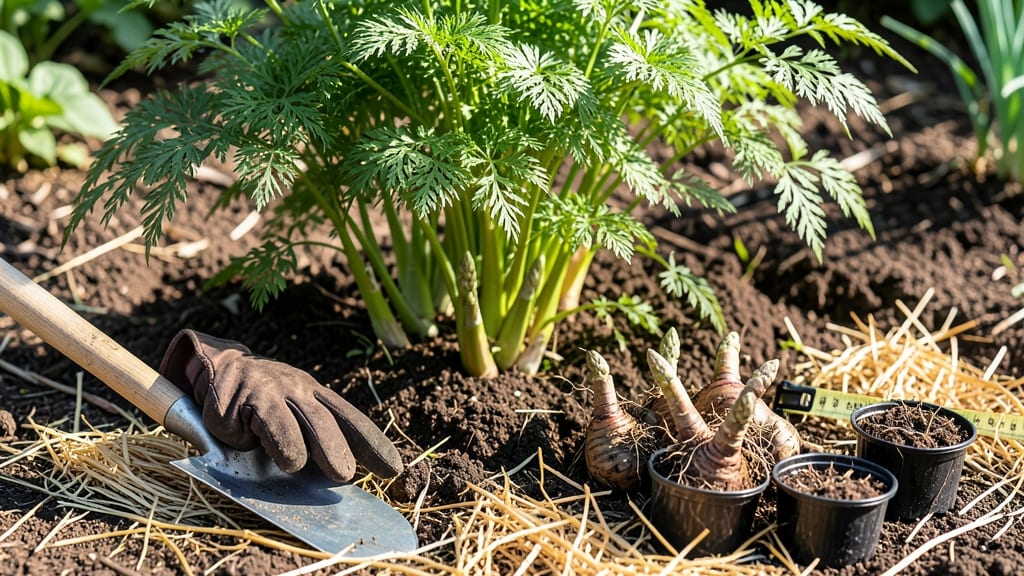
Planting asparagus in North Texas at the wrong time can mean the difference between a thriving perennial crop and years of disappointment. With USDA Zone 8a frost dates that shift from February to March, timing your 🌱 asparagus planting just right is the key to success.
Most gardeners in North Texas make one of two mistakes: planting too early and risking frost damage, or waiting too long and missing the optimal soil temperature window.
The secret lies in understanding your local microclimate—whether you're in Dallas, Fort Worth, or Waco—and preparing your soil properly before the late winter to early spring window opens.
In this guide, I'll walk you through exactly when to plant asparagus in North Texas, how to prepare your soil for maximum growth, and the simple steps to ensure your crowns thrive.
You'll learn why March is the sweet spot, how to adjust for your specific location, and what to avoid that could sabotage your harvest.
By the end, you'll have a clear planting timeline, soil prep checklist, and early care tips to set your asparagus up for success—so you can enjoy fresh spears for years to come. Let's get started.
North Texas asparagus planting timeline: soil temperature & frost dates
Timing your asparagus planting in North Texas is all about soil temperature and frost dates. The USDA Zone 8a/8b climate means you’ve got a narrow window—plant too early, and frost zaps your crowns; too late, and summer heat stresses young roots.
My goal? Help you nail the ideal 6-week window before your last frost (typically Feb 15–March 15).
North Texas has microclimate variations that matter. Dallas and Fort Worth usually see their last frost around March 1, while Waco leans toward March 15. Soil needs to stay above 40°F for roots to establish—check with a soil thermometer before planting.
I’ve planted asparagus in both Dallas and Waco, and this timing makes all the difference.
Here’s your North Texas asparagus planting timeline broken down by location and soil conditions:
| Location | Last Frost Date | Ideal Planting Window | Soil Temp Threshold | Key Notes |
|---|---|---|---|---|
| Dallas/Fort Worth | Feb 15–March 1 | Feb 20–March 15 | 40°F+ (consistent) | Urban areas warm faster; plant early |
| Waco | March 1–March 15 | March 1–March 30 | 40°F+ (consistent) | Cooler nights; extend window |
| All Regions | N/A | Avoid after April 15 | >50°F (heat stress risk) | Summer planting = poor survival |
For Dallas and Fort Worth, aim to plant between Feb 20 and March 15. Soil temperatures here can fluctuate, so wait until you’ve seen 3 consecutive days above 40°F. I’ve had success planting as early as Feb 25 in raised beds, which warm faster than ground soil.
If you’re in Waco or rural areas, push your timeline to March 1–30—cooler nights mean less frost risk.
Never plant after April 15. Asparagus crowns struggle with heat stress once soil temperatures hit 50°F+. I learned this the hard way—planting in late April in Dallas led to 50% crown failure by summer.
Stick to the early window, and your asparagus will establish strong roots before Texas heat kicks in.
Pro tip: Use black plastic mulch to warm soil faster if you’re planting early. Lay it down 2–3 weeks before planting to raise soil temps by 5–10°F. I’ve seen this cut my planting window by 10 days in cooler years. Just remove it after planting to prevent overheating.
Check your local frost dates using the National Weather Service or Texas A&M AgriLife extension tools. Even a 28°F night can kill young crowns. If frost is forecasted after planting, cover your bed with row fabric for 2–3 nights until roots establish.
Remember: First-year harvests are forbidden. Your goal is root development, not spears. Focus on 6–8 weeks of root growth before your first frost—this sets up a 3–5 year harvest window. Patience pays off with decades of asparagus production.
🌱
Step-by-step planting guide for North Texas asparagus success
North Texas asparagus thrives when planted correctly, and the key starts with choosing the right crown type. You’ll find two main options: bare-root crowns (dormant roots) or pre-grown plants with established foliage.
Bare-root crowns are more common and cost-effective, while pre-grown plants offer an immediate head start—ideal if you’re planting in May as a backup window.
Before planting, amend your North Texas soil with a mix of sand and peat moss (or coconut coir) to improve drainage. Our clay-heavy soils can suffocate asparagus roots if left unamended.
Aim for a 6.5–7.5 pH level, testing your soil before planting to avoid surprises. If your soil tests acidic, add lime; for alkaline soil, use sulfur.
Step-by-Step Asparagus Planting Guide
- 1 Prepare the soil: Dig a trench 6–8 inches deep and 12–18 inches wide. Mix in 2–3 inches of compost and sand/peat for drainage.
- 2 Soak bare-root crowns: Place crowns in lukewarm water for 1–2 hours to rehydrate roots. For pre-grown plants, trim fern fronds to 4–6 inches to reduce stress.
- 3 Plant crowns deeply: Space crowns 12–18 inches apart in rows 3 feet apart. Place crowns 6 inches deep, with roots spread out and crowns 2 inches below soil.
- 4 Backfill and water: Cover roots with amended soil, leaving 2 inches of soil above crowns. Water deeply to settle soil and remove air pockets.
- 5 Mulch heavily: Apply 3–4 inches of mulch (straw or wood chips) to retain moisture and cool roots during North Texas’s 100°F+ summers.
- 6 First-year care: Avoid harvesting spears in Year 1. Let foliage grow to build roots. Water deeply once weekly and fertilize lightly with 10-10-10 in April.
After planting, monitor your asparagus for signs of stress, like yellowing fronds or stunted growth. These often signal overwatering or poor drainage. North Texas’s clay soil can trap moisture, so always check soil moisture 2 inches deep before watering.
If your soil feels damp, wait a day or two to avoid root rot.
For urban gardeners with limited space, consider container planting. Use a 12-inch-deep pot with drainage holes and fill it with a 50/50 mix of potting soil and compost.
Plant one crown per pot and place it in full sun. Containers dry out faster, so water every 3–4 days during hot spells.
Remember, asparagus is a perennial crop that rewards patience. With the right planting timing, soil prep, and care, your North Texas garden will produce spears for 15+ years. Start small—plant a 3-foot row—and expand as you gain confidence. Happy planting! 🌱