
Plants
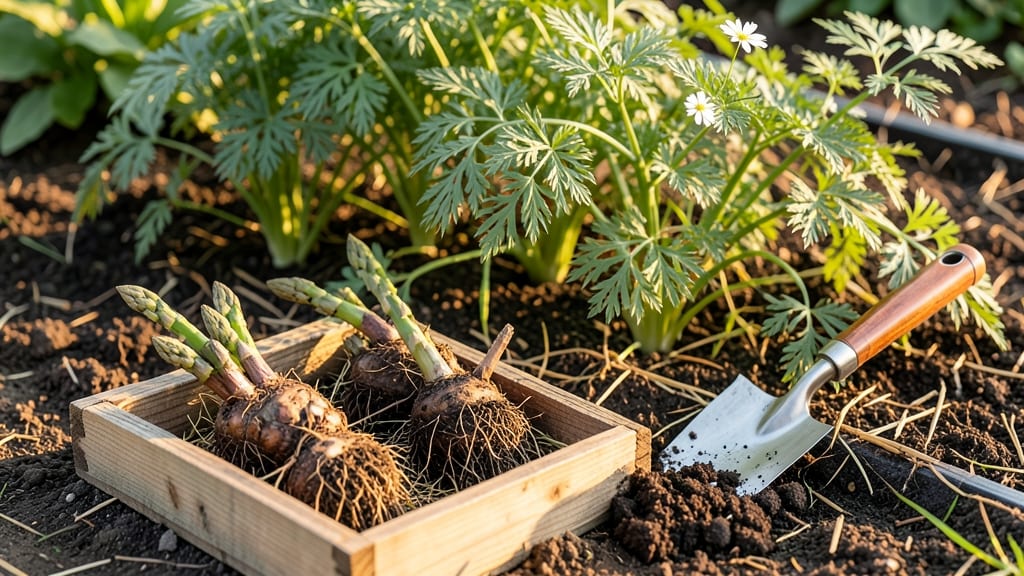
Planting asparagus in Louisiana at the wrong time could mean wasted effort—or worse, lost plants before they even get started. Unlike cooler climates where fall planting works, Louisiana’s warm winters and early springs demand a precise window for crowns to establish strong roots before summer heat kicks in.
Most gardeners in zones 8a-9b swear by late winter to early spring planting (February–March), but timing isn’t just about the calendar—it’s about soil temperature and avoiding those pesky late frosts that can sneak in until mid-February.
If you plant too early, your 🌱 asparagus crowns might rot; too late, and you’ll miss the ideal 60-day window before the ground heats up.
Here’s the game-changer: Aim to plant 4–6 weeks before your last frost date (usually by early March in most of Louisiana). This gives roots time to settle before the real growing season ramps up.
I’ll walk you through the exact steps—from soil prep to post-planting care—to ensure your asparagus thrives in our humid, fast-warming climate.
Whether you’re a first-timer or a seasoned gardener, getting this right means fewer headaches and more spears in just 2–3 years. Let’s make sure your asparagus patch becomes the star of your Louisiana garden.
Best planting months for asparagus in Louisiana’s climate zones
Louisiana’s USDA zones 8a-9a offer a near-perfect climate for growing asparagus, but the timing of planting can make or break your harvest. Unlike northern states, we don’t have to worry about harsh winters, but we do need to account for soil temperature and regional microclimates.
For example, New Orleans (zone 8b) can plant slightly earlier than Shreveport (zone 8a) due to milder winters. Let’s break down the best windows for planting asparagus crowns and seeds in Louisiana.
Most Louisiana gardeners plant asparagus crowns in late winter to early spring, typically between February and March.
This timing ensures the soil is warm enough (at least 50°F) for roots to establish before the hot summer months. Seed planting, on the other hand, is less common but can be done in early spring (March) if you’re patient, as seeds take 2-3 years to mature compared to 1-2 years for crowns.
The key is avoiding late spring planting, which can stress young plants during Louisiana’s intense summer heat.
Here’s how Louisiana’s regional climate variations affect planting windows:
If you miss the ideal planting window, don’t panic—late spring planting (April) is still possible, but it requires extra care. Young asparagus plants struggle with Louisiana’s humidity and summer heat, so provide shade cloth during the hottest months and mulch heavily to retain moisture.
For seed planting, April is pushing it; seeds need consistent warmth and moisture to germinate, which can be challenging in Louisiana’s unpredictable spring rains.
One common mistake in Louisiana is planting asparagus too deep. Crowns should be placed 12 inches deep in the soil, with the roots facing downward. Planting too shallow can expose the crown to extreme heat and drought stress, common in Louisiana’s summers.
Use a soil thermometer to check temperatures before planting—aim for 50°F or warmer for optimal root growth.
For gardeners in cooler microclimates (like northern Louisiana near the Arkansas border), consider fall planting in October. This allows roots to establish before winter, giving you a head start in spring.
However, avoid planting in late fall, as young plants may not survive Louisiana’s mild but unpredictable winters. Always monitor local frost dates—the LSU AgCenter provides updated forecasts for your parish.
Adjust your planting timeline based on whether you’re growing Mary Washington (a popular variety) or Purple Passion (a newer, heat-tolerant option). Purple Passion handles Louisiana’s heat better and can tolerate slightly later planting, while Mary Washington prefers cooler spring soil.
Whichever variety you choose, mulch heavily after planting to protect roots from temperature swings—a critical step in Louisiana’s humid climate.
Remember, asparagus is a perennial crop, meaning it will produce for 10-15 years if planted correctly. Taking the time to plant at the right moment ensures your asparagus patch thrives for decades, giving you a low-maintenance, high-reward vegetable garden staple.
With Louisiana’s climate, the key is patience and preparation—not rushing the process.
🌱
Pre-planting preparation checklist for Louisiana asparagus gardens
Before planting asparagus in Louisiana, your soil preparation and site selection are critical for long-term success. Asparagus is a perennial crop, meaning it will thrive for years if given the right start.
Louisiana’s humid climate and occasional waterlogged soils demand extra attention to drainage and nutrient balance. Let’s break down the essential steps to set your garden up for a thriving asparagus patch.
Start by testing your soil pH—asparagus thrives in a neutral to slightly acidic range (6.5-7.0). Louisiana’s native soils often lean toward acidity, so you may need to amend with lime if your test results fall below 6.5.
Use a soil test kit from the LSU AgCenter for accurate readings, as their recommendations are tailored to our region’s unique conditions.
🌱 Louisiana Asparagus Pre-Planting Checklist
- 📋 Step 1: Test soil pH (aim for 6.5-7.0) using an LSU AgCenter kit
- 📍 Step 2: Choose a full-sun site with 6+ hours of sunlight daily
- 💧 Step 3: Improve drainage by amending clay soils with compost or sand
- 🌿 Step 4: Work in 2-3 inches of compost and a phosphorus-rich fertilizer (like bone meal)
- ⚠️ Step 5: Avoid planting in low-lying areas prone to winter waterlogging
- 📏 Step 6: Prepare beds 12-18 inches deep for crown planting (roots need space!)
For Louisiana gardeners, site selection is just as important as soil prep. Asparagus demands full sun exposure—at least 6-8 hours daily—so avoid shaded areas under trees or structures. If your yard has heavy clay soil, mix in organic matter like compost or well-rotted manure to improve drainage.
Louisiana’s humid summers can lead to fungal issues, so raised beds are an excellent option for better airflow.
When amending your soil, focus on phosphorus and potassium to support robust root development. A balanced fertilizer (10-10-10) works well, but avoid overdoing nitrogen, which can encourage leafy growth at the expense of spears.
Spread a 2-3 inch layer of compost over the bed and till it into the top 6-8 inches of soil. This not only feeds your plants but also improves soil structure for better water retention.
One Louisiana-specific tip: avoid planting asparagus in areas where tomatoes, peppers, or other nightshades grew recently. These plants share diseases, and asparagus is particularly susceptible to fusarium wilt. Rotate crops to maintain soil health.
If you’re starting from scratch, consider planting a cover crop like clover or ryegrass in the fall before your asparagus bed to build organic matter naturally.
Finally, mark your planting area clearly to avoid disturbing the roots during the first two critical years of growth. Asparagus crowns need undisturbed soil to establish deep roots. In Louisiana’s climate, this means minimal foot traffic and no tilling after planting.
With these preparations, your asparagus patch will be ready for spring planting and years of bountiful harvests! 🌱