
Plants
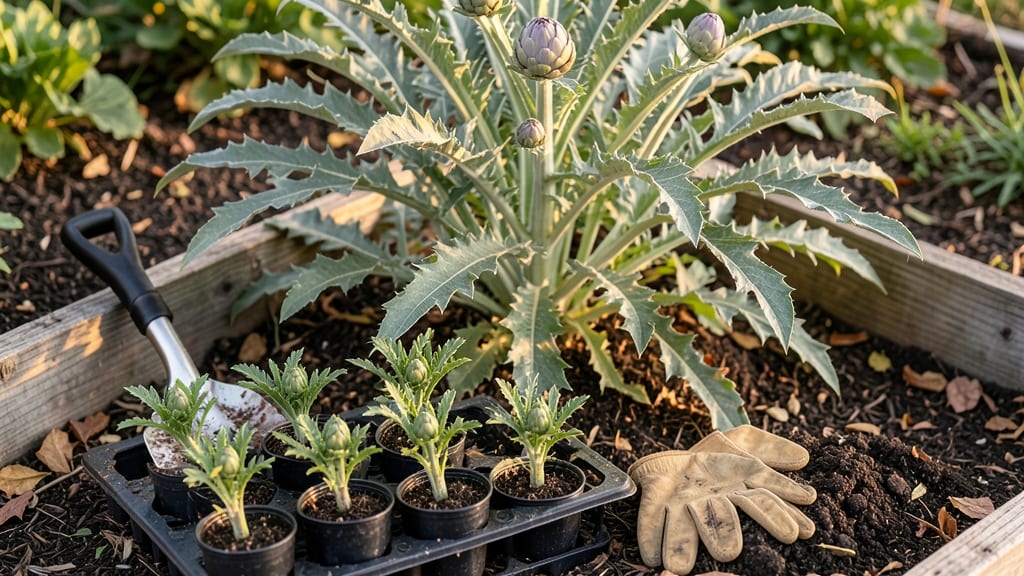
Planting artichokes in Texas is all about beating the heat and avoiding frost—two challenges that can make or break your harvest. If you’ve ever watched your tender seedlings wilt under 100°F or freeze overnight, you know timing is everything.
The key? Planting in September-October for fall or February-March for spring, when temperatures are mild enough for roots to establish without risking a sudden freeze.
Texas’s 8a-10b zones give you flexibility, but microclimates matter—coastal areas stay warmer longer than the Hill Country. Whether you’re in North Texas (where frost lingers until January) or South Texas (where December is your last frost date), aligning your planting with local frost patterns is non-negotiable.
Skip this step, and you’ll end up with bolting plants or stunted growth.
Here’s what I’ve learned after years of trial and error: artichokes thrive when planted 8-10 weeks before your first frost in fall or after the last frost in spring. That means no more guessing—just science-backed windows to maximize your March-May or September-November harvests.
Ready to grow artichokes that survive Texas’s extremes? Let’s dive into the exact months and strategies that work.
From soil prep to heat-proofing your plants, I’ll walk you through every detail—so you can finally enjoy homegrown artichokes without the stress. No more lost crops to frost or heat; just reliable, flavorful harvests every season.
Best months to plant artichokes in Texas for frost-free growth
Artichokes thrive in Texas’s warm climate but are extremely frost-sensitive. The key to success lies in planting during optimal temperature windows that align with your region’s USDA hardiness zone.
In North Texas (Zone 8a), frost can strike as early as November 15, while South Texas (Zone 10b) enjoys frost-free winters. Timing your plantings around these frost-free periods ensures robust growth and a bountiful harvest.
For most Texas gardeners, the best planting windows are September-October for fall crops and February-March for spring crops. These months provide consistent soil warmth (above 60°F) while avoiding late-spring heatwaves that can stress young plants.
Below, we break down the exact timing for Texas’s three climate zones, including seedling vs. seed transplanting tips to maximize your yield.
In North Texas, where frost arrives earliest, prioritize fall plantings (late September) to give artichokes 120-150 days of growth before winter. Start seeds indoors in late January for spring transplants, hardening them off before moving outdoors in March.
Use frost cloth if nighttime temps drop below 50°F—artichokes can survive brief dips to 28°F, but buds will freeze and blacken.
Central Texas gardeners enjoy a longer growing window, allowing for two harvests per year. Plant seeds directly in late August for a fall crop, or transplant 4-6 week old seedlings in early March for spring.
Monitor soil temps closely—artichokes won’t germinate below 65°F, so wait until the ground warms before sowing seeds directly.
South Texas’s mild winters make artichokes a year-round possibility, but avoid planting during peak summer heat (June-August). Instead, focus on fall (September) and early spring (January) plantings. Use shade cloth during summer months to protect young plants from intense afternoon sun, which can cause bolting (premature flowering).
For all regions, transplant seedlings (not seeds) in spring for faster harvests. Purchase 6-8 week old plants from nurseries in February-March and harden them off by gradually exposing them to outdoor conditions for 1-2 weeks before planting.
This reduces transplant shock and jumpstarts growth. In fall, direct-sow seeds 1 inch deep and keep soil consistently moist until germination (10-20 days).
Pro tip: Test your soil’s pH (6.5-7.5) and amend with compost or aged manure before planting—artichokes are heavy feeders and need rich, well-draining soil. Mulch with straw or wood chips to retain moisture and regulate soil temperature, especially in North Texas’s fluctuating spring weather.
Remember, artichokes need full sun (6-8+ hours daily) and consistent watering. In South Texas’s dry heat, water deeply 2-3 times per week, while Central and North Texas may require daily watering during summer droughts.
Adjust your planting schedule based on local frost dates (check Texas A&M AgriLife Extension for your county’s averages) to avoid frost damage
How to extend the artichoke growing season in Texas heat
Texas summers can turn your artichoke plants into stressed, bolting messes if you don’t act fast. The key is proactive heat management—think of it like giving your plants a cooling vest while keeping their roots happy.
I’ve learned that mulching, strategic shade, and smart watering can push your harvest window by 4-6 weeks during brutal heatwaves.
Artichokes thrive in 60-75°F but start struggling above 85°F. In Texas, that means June-August becomes a high-stakes game. My first trick? Planting in late summer (August-September) for a fall harvest gives them a head start before the worst heat hits.
But if you’re growing in spring, shade cloth and afternoon shade become your best friends.
⚠️ callout tip ⚠️
Watering is where most Texas gardeners fail. Deep, infrequent soaks beat shallow daily sprinkles—think 1.5 gallons per plant every 2-3 days in summer, delivered before 9 AM. I’ve seen artichokes wilt dramatically by afternoon only to recover fully overnight with this method. Avoid wetting leaves to prevent fungal risks like powdery mildew, which thrives in Texas humidity.
For extra heat protection, pair artichokes with companion plants like basil, marigolds, or nasturtiums. These act as living shade while deterring pests. I plant basil around the base of my artichokes—it repels artichoke plume moths and adds a cooling microclimate when temps climb.
Just keep basil pruned to avoid competing for nutrients.
If your artichokes start bolting (sending up flower stalks), it’s a heat stress signal. Cut back any flower buds immediately—the plant will redirect energy to leafy growth instead. For severe cases, move pots to partial shade or use white shade cloth (30-50%) to filter 20-30% of sunlight.
This buys you 2-3 more weeks of edible buds before harvest.
Don’t forget soil prep—Texas clay holds heat like a frying pan. Amend beds with compost and perlite to improve drainage, then water deeply before heatwaves to build moisture reserves.
My fall-planted artichokes in San Antonio consistently outperform spring ones because the soil stays cooler longer. With these tricks, you can harvest through October instead of tapering off in July.