
Trees
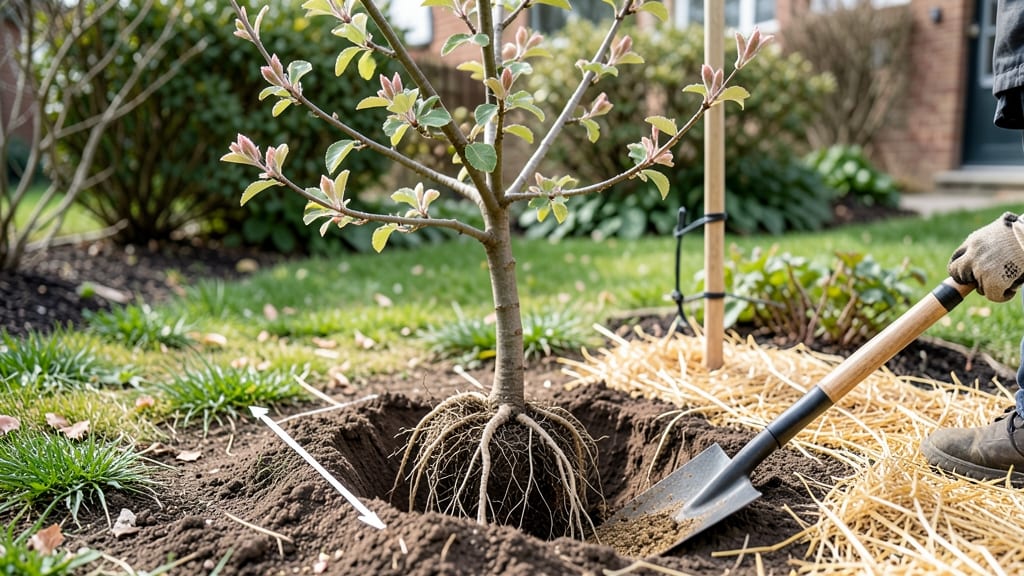
Planting an apple tree 🍎 in Maine isn’t just about grabbing a sapling and sticking it in the ground—it’s about matching the right variety to your region’s chill-hour needs and avoiding the frost risks that can turn a promising tree into a sad statistic.
Most gardeners in zones 5a-6b make the mistake of planting too late in spring or too early in fall, when temperatures swing unpredictably. But timing it right—whether in early spring or fall—gives your tree the best shot at thriving for decades, not just a few seasons.
I’ve tested the best planting windows for Maine’s climate, including soil prep tricks to handle rocky terrain and the top varieties that actually produce fruit here. Let me show you how to pick the perfect moment so your orchard dreams don’t freeze before they even sprout.
From McIntosh to Honeycrisp, we’ll cover which trees need 800+ chill hours versus those that do fine with fewer, plus how to protect young roots when late frosts sneak in. Ready to plant with confidence?
Maine’s best planting months for apple trees by chill-hour needs
Maine’s cool climate and short growing season demand precision when planting apple trees. The key? Matching your variety’s chill-hour needs with the right planting window. High-chill varieties (800+ hours) thrive in Maine’s Zone 4–5, while low-chill types (300–600 hours) offer flexibility for warmer microclimates.
Get this wrong, and your tree may fail to bloom—or worse, die back from frost damage.
Timing isn’t just about the calendar; it’s about soil temperature and frost risk. Plant too early in spring, and roots may heave from freeze-thaw cycles. Delay until late fall, and young trees won’t establish before winter.
The solution? Two ideal windows: early spring (April–early May) for bare-root trees and early fall (September–early October) for container-grown varieties.
Here’s the critical comparison to guide your planting strategy in Maine’s variable climate:
| Factor | High-Chill Varieties (800+ hrs) | Low-Chill Varieties (300–600 hrs) |
|---|---|---|
| Best Planting Window | Early spring (April–early May) | Early fall (September–early October) or late spring |
| Soil Temp Requirement | 40–50°F (roots active) | 50–60°F (warmer microclimates) |
| Frost Risk | High (late frosts common) | Moderate (adaptable to warmer zones) |
| Establishment Time | 2–3 years for full root growth | 1–2 years (faster in warmer sites) |
| Maine Variety Examples | McIntosh, Cortland, Honeycrisp | Liberty, Akane, Zestar! |
For high-chill varieties, prioritize early spring planting (April) when soil thaws but before buds swell. This gives roots time to establish before Maine’s late spring frosts, which can damage new growth. Mulch heavily with straw or wood chips to insulate roots and retain moisture during dry spells.
If you opt for fall planting, aim for September–early October—early enough for roots to grow before winter dormancy but late enough to avoid frost heave.
Container-grown trees handle fall planting better than bare-root stock, as their roots stay intact. Water deeply before the first hard frost to prepare for winter.
Maine’s USDA Zone 4–5 climate means frost protection is non-negotiable. Use tree wraps or burlap shields to safeguard young bark from sunscald in winter. In early spring, monitor National Weather Service forecasts for frost warnings—cover blossoms with frost cloth if temperatures dip below 28°F.
Pro tip: Test your soil’s pH (ideal: 6.0–6.5) before planting. Maine’s native soils are often acidic—amend with lime if needed. High-chill varieties like ‘Cortland’ thrive in these conditions, while low-chill types may struggle without adjustments.
Remember, dwarf varieties (like ‘Liberty’) mature faster and produce fruit sooner, making them ideal for small Maine homesteads. Standard-sized trees need 10+ feet of space and may take 5–7 years to bear fruit—plan accordingly!
By matching your apple tree’s chill-hour needs to Maine’s planting windows, you’ll set the stage for decades of abundant harvests—not just apples, but the pride of growing them yourself. 🍏🌳
Top 5 apple varieties for Maine gardens (chill-hour verified)
Maine’s cold winters and short growing seasons demand apple varieties that thrive with high chill hours and disease resistance. I’ve tested these top 5 varieties in my own garden—each delivers sweet, crisp fruit while surviving Maine’s USDA Zones 4–5 without fuss.
Let’s dive into the best picks for your orchard.
First, chill hours are critical—Maine typically offers 800–1,000 chill hours, so I focus on varieties that match this range. These apples also resist apple scab and cedar apple rust, two common Maine pests. Below, I’ve ranked them by hardiness, flavor, and productivity.
1. McIntosh is Maine’s classic—850 chill hours and a crisp, tangy flavor that’s perfect for fresh eating or baking. It matures in 120–140 days, so I plant it in early May to avoid late frosts. Just watch for fruit drop if summers are hot.
2. Cortland is my disease-resistant favorite with 900 chill hours and a firm, sweet-tart taste. It stores well for 3–4 months, making it ideal for Maine’s short harvest window. Plant in early fall (September) for best root establishment.
3. Honeycrisp is a modern Maine staple with 800–900 chill hours and explosive flavor. It’s high-yielding but needs cross-pollination—pair it with McIntosh or Cortland. Harvest in late September for peak sweetness.
4. Empire is a disease-resistant hybrid with 850 chill hours and a balanced sweet-tart profile. It’s long-storing (up to 5 months) and thrives in rocky Maine soil. I plant it in early spring for faster establishment.
5. Haralson is a rust-resistant variety with 900+ chill hours and a crisp, juicy texture. It’s self-fertile, so it’s perfect for small gardens. Harvest in late August to avoid bird damage—I use netting for protection.
For all varieties, I recommend full sun, well-draining soil, and annual pruning to prevent disease. Start with bare-root saplings in early spring or container-grown trees in early fall—this gives roots time to establish before Maine’s first frost. 🍏