
Trees
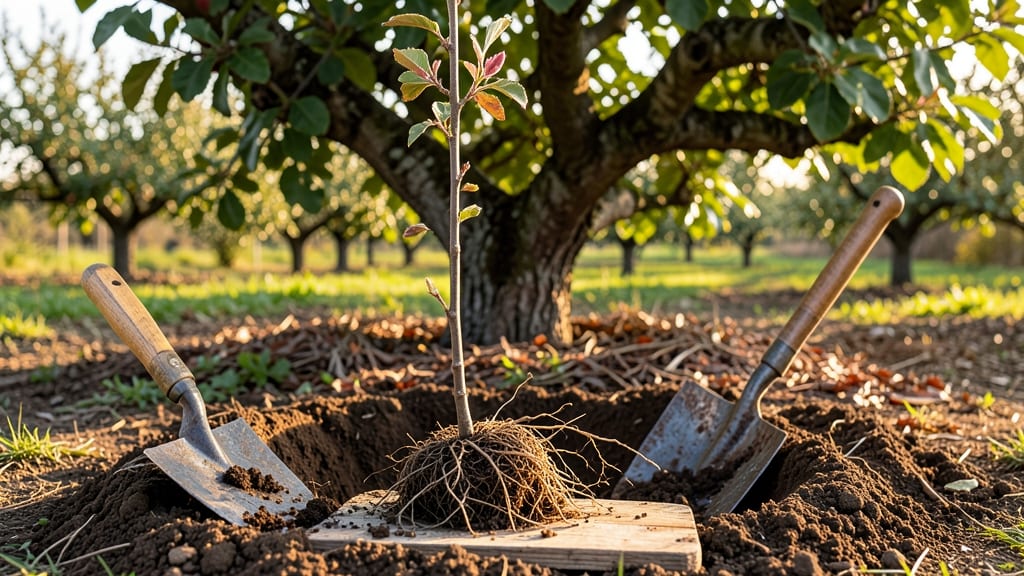
Planting your 🍎 Apple Tree at the wrong time in England could mean waiting years for that first harvest—or never getting one at all.
The key isn’t just picking a month; it’s matching your region’s chill hours (like London’s 8b or Northumberland’s 7a) to the right variety, but most gardeners skip this step entirely.
I’ve learned the hard way that planting too early risks frost damage, while waiting too late can stunt root growth. The sweet spot? Late autumn to early spring—when the soil is cool but workable, and your tree can establish itself before summer’s heat arrives.
Whether you’re working with bare-root saplings or potted trees, timing matters just as much as soil prep. I’ll walk you through the exact months that work best for your area, plus how to tell when your tree is truly ready to thrive.
By the end, you’ll know not just when to plant, but how to set your 🍎 Apple Tree up for a lifetime of fruit—no guesswork, just reliable harvests year after year.
Best planting months for apple trees in England by chill-hour zones
England’s varied climate means chill hours (temperatures below 7°C/45°F) are everything when choosing apple tree varieties. Planting at the wrong time—especially in low-chill regions like London—can lead to poor flowering or no fruit.
The best window is November to March, but timing depends on your USDA zone and chill-hour needs.
Northern England (e.g., Northumberland) with 1,000+ chill hours thrives with traditional varieties like Bramley’s Seedling, while southern areas (e.g., Sussex) with 500–800 chill hours need low-chill varieties like Discovery or Egremont Russet. Let’s break it down by region and chill-hour zones.
Bare-root trees planted in winter dormancy (November–February) establish roots before spring growth, while container-grown trees can be planted until early March. Avoid planting in frost-prone microclimates like valleys, where late frosts can damage new shoots.
| Chill-Hour Zone | Best Planting Months | Recommended Varieties | Soil Prep Tip |
|---|---|---|---|
| 0–300 hours (e.g., London, Kent) | November–February | Discovery, Red Falstaff, Merlin | Add compost to improve drainage |
| 300–600 hours (e.g., Birmingham, Bristol) | November–March | Cox’s Orange Pippin, Blenheim Orange, Fiesta | Test pH 6.0–7.0; amend with lime if needed |
| 600–900 hours (e.g., Yorkshire, Wales) | February–March | Bramley’s Seedling, Blenheim Orange, Reine des Reinettes | Plant on slight mound to prevent waterlogging |
| 900–1,200+ hours (e.g., Northumberland, Scotland) | March only | Bramley’s Seedling, Cox’s Orange Pippin, Lord Derby | Use mulch to retain moisture |
For low-chill zones (0–300 hours), prioritize early-flowering varieties like Red Falstaff, which need minimal cold to set fruit. In high-chill zones (900+ hours), traditional varieties like Bramley’s Seedling thrive but must be planted in March to avoid late frosts damaging blossoms.
Always check local frost dates—planting too early in frost-prone areas can stunt root growth. For example, London’s last frost is typically mid-March, so February planting is risky unless you’re using container-grown trees with established roots.
After planting, stake young trees to prevent wind rock and apply a 3-inch mulch layer of organic matter to retain soil moisture. Water deeply once a week for the first two months, then reduce to bi-weekly once established. Avoid overhead watering to prevent fungal diseases like apple scab.
In urban gardens with limited space, dwarf varieties like Merlin or Fiesta are ideal—they fruit in 3–4 years and fit small yards. Pair them with a pollination partner (e.g., plant two Discovery trees) for reliable yields.
If you’re in a transition zone (e.g., 600–900 chill hours), consider semi-dwarf varieties like Blenheim Orange, which balance size and chill requirements. These trees often produce fruit in 5–6 years and handle moderate pruning well.
Remember: Bare-root trees are cheaper and establish faster, but container-grown trees give you a head start in warmer microclimates. For container planting, choose well-draining soil and a large pot (30+ gallons) to prevent root binding.
Top 5 apple tree varieties for England’s climate and their planting timing
England’s cool maritime climate demands apple varieties that thrive in 300-1,000 chill hours—the cold period needed for proper flowering. I’ve selected five high-yielding, cold-hardy varieties that perform exceptionally well across the UK, from Northumberland’s chillier zones to London’s milder winters. Each has specific planting windows to maximize success.
The ‘Bramley’s Seedling’ remains England’s most beloved cooking apple, while ‘Cox’s Orange Pippin’ delivers sweet-tart dual-purpose fruit. For modern gardens, ‘Discovery’ and ‘Egremont Russet’ offer disease resistance and exceptional flavor. Let’s dive into their chill-hour needs and precise planting months for each.
| Variety | Chill Hours | Best Planting Month | Fruit Use | Notes |
|---|---|---|---|---|
| Bramley’s Seedling | 600-900 | November–February | Cooking | Needs pollinator; harvests late |
| Cox’s Orange Pippin | 500-800 | February–March | Dual-purpose | Sensitive to frost; needs shelter |
| Discovery | 400-700 | November–January | Eating | Disease-resistant; early harvest |
| Egremont Russet | 500-800 | February–March | Eating/Cooking | Long storage; needs well-drained soil |
| James Grieve | 300-600 | November–December | Eating | Tolerates milder winters; self-fertile |
For ‘Bramley’s Seedling’, plant between November and February to ensure roots establish before spring growth. This variety requires 600-900 chill hours, making it ideal for northern England where winters are colder. Pair it with ‘Discovery’ (400-700 chill hours) for cross-pollination—both thrive in well-drained soil and full sun.
If you’re in southern England, ‘James Grieve’ (300-600 chill hours) is my top pick for its low chill-hour tolerance and self-fertility. Plant it in November-December to avoid early spring frosts that can damage blossoms. This variety also handles urban microclimates better than others, making it perfect for city gardens.
For ‘Cox’s Orange Pippin’, time planting between February and March—this gives roots time to settle before the tree breaks dormancy. Its 500-800 chill hours suit most of England, but protect young trees from late spring frosts with frost cloths.
This classic variety rewards patience with complex, aromatic fruit best enjoyed fresh from the tree.
Dwarf varieties like ‘Egremont Russet’ (500-800 chill hours) are perfect for small gardens. Plant them in February-March and stake firmly—their compact size (8-12 ft) makes them ideal for containers or espalier training. This russet apple stores well and delivers nutty, spicy flavors that improve with age.
Remember: bare-root trees planted in winter establish faster than container-grown ones. Water deeply after planting and apply a 3-inch mulch of organic matter to retain moisture. With the right variety and timing, you’ll enjoy reliable harvests for decades—just like my 1920s Cox’s Orange Pippin that still