
Plants
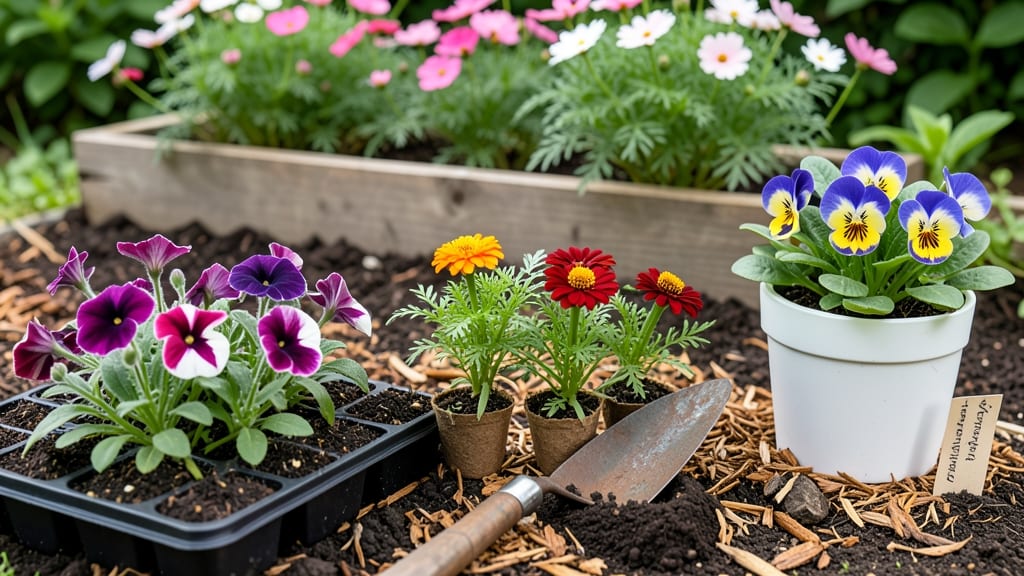
Planting annuals at the wrong time in Zone 7 can mean the difference between a garden bursting with 🌸 bold blooms and one that fizzles under summer heat. The key isn't just waiting for spring—it's understanding your plants' heat tolerance and your local frost dates to maximize their growing season.
I've learned the hard way that cool-season annuals like pansies need to go in early spring (after March 15), while heat-lovers like zinnias should wait until soil warms to 60°F.
But here's the game-changer: with a smart schedule, you can stretch your blooms from May through October—even in Zone 7's 190-day frost-free window.
What if I told you there's a simple timeline that works for both spring and fall planting? You'll discover exactly when to plant each type, how to adjust for microclimates, and which varieties thrive longest in your zone. Let's make this your most vibrant gardening season yet.
From sunflowers reaching for the sky to petunias spilling over containers, the right timing transforms your garden from ordinary to extraordinary. Ready to unlock the secrets of Zone 7 annual success? Let's get started.

Zone 7 annual planting timeline by heat tolerance categories
Mastering the Zone 7 planting schedule means understanding how heat tolerance dictates your annuals' success. Cool-season varieties like pansies and lettuce thrive when nights stay cool, while marigolds and sunflowers demand summer's warmth. The key? Planting at the right time to avoid heat stress or frost damage.
Your last frost date (typically March 15) and first frost (around November 15) bookend your growing season. But heat tolerance categories—cool-season, transitional, and heat-loving—refine the timeline further.
For example, snapdragons (transitional) need to go in after soil warms to 55°F, while tomatoes (heat-loving) wait until 60°F+.
Here’s how to align your planting with Zone 7’s heat zones for bold blooms all season. The comparison table below breaks down the month-by-month schedule for each category, including adjustments for long-season varieties like sunflowers that need extra time to mature.
Pro tip: Use shade cloth for early heat-sensitive plants (like cosmos) or extend fall planting by 6-8 weeks before frost for heat-loving annuals like portulaca. This simple trick adds 4-6 extra weeks of color to your garden.
| Category | Planting Window | Soil Temp Requirement | Examples | Heat Tolerance Notes |
|---|---|---|---|---|
| Cool-Season | Feb 15 - April 15 | 40-55°F | Pansies, Lettuce, Snap Peas | Bolts in heat; mulch to retain moisture. |
| Transitional | April 15 - May 15 | 55-60°F | Snapdragons, Cosmos, Zinnias | Needs gradual heat; water deeply. |
| Heat-Loving | May 15 - June 30 | 60°F+ | Marigolds, Sunflowers, Tomatoes | Thrive in 90°F+; mulch to prevent stress. |
| Fall Extenders | Aug 1 - Sept 15 | 60°F+ | Portulaca, Celosia, Vinca | Plant 6-8 weeks before frost for late blooms. |
For long-season varieties like sunflowers or tomatoes, start seeds indoors 6-8 weeks before your last frost date. This head start ensures they’re mature and blooming by summer’s peak heat. For example, giant sunflowers need 100+ days to reach their full height—so plant them by May 1 at the latest.
Adjust your schedule based on microclimates. A south-facing bed warms faster than a north-facing one, so plant heat-lovers there 1-2 weeks earlier. Conversely, shade-loving impatiens can go in 2 weeks later in cooler microclimates.
Always check soil temperature with a probe—it’s the real indicator, not just air temperature.
Don’t overlook succession planting for continuous blooms. After harvesting early bush beans in June, replant with zinnia seeds for a July-August show. This keeps your garden vibrant and maximizes your Zone 7 growing season.
Watch for heat waves in late spring. If temperatures spike to 90°F+ before your heat-loving plants are established, provide afternoon shade with a 30% shade cloth. This temporary protection prevents wilting while they acclimate to the heat.
Finally, mark your calendar for fall planting. Heat-loving annuals like portulaca can handle light frosts and will bloom until November 1 if planted by August 15. Pair them with cool-season pansies for a stunning transition as summer fades into fall
How to extend your Zone 7 annual blooming season with smart planting
Zone 7 gardeners face a unique challenge: summer heat can shorten bloom seasons if you're not strategic. The key to long-lasting flowers lies in succession planting, heat management, and choosing heat-tolerant varieties.
With these techniques, you can transform your garden into a nonstop bloom show from spring through fall.
Instead of planting all your annuals at once, stagger your plantings every 2-3 weeks. This ensures fresh blooms as old ones fade. For example, plant marigolds in early spring, then again in mid-June for a fall display.
This simple trick extends your bloom season by 6-8 weeks without extra work.
Here’s how to maximize your blooms with smart timing and techniques:
- Plant heat-tolerant varieties first (e.g., zinnia, celosia, portulaca) 2-3 weeks after last frost to avoid early heat stress.
- Use shade cloth (30-50%) in June-July to protect heat-sensitive annuals like petunias and impatiens from wilting.
- Succession plant cool-season annuals (e.g., pansies, snapdragons) every 3 weeks in late summer for fall color.
- Deadhead spent blooms weekly to encourage continuous flowering—especially for cosmos and sunflowers.
- Mulch heavily with straw or wood chips to retain moisture and cool root zones during peak summer heat.
Don’t overlook fall planting—it’s your secret weapon for late-season color. Start 6-8 weeks before your first frost (around October 1 in Zone 7) with cool-season annuals like pansies or stock. These thrive in milder fall temperatures and often bloom until Christmas if protected.
For extended summer blooms, focus on drought-tolerant annuals like lantana or verbena. These handle Zone 7’s heat with ease and reward you with months of vibrant color. Pair them with succession-planted zinnias for a nonstop summer-to-fall display.
With these simple but powerful strategies, your Zone 7 garden can bloom beautifully from spring’s first flowers to fall’s last frost. The secret? Timing, heat management, and smart plant choices—no green thumb required! 🌸