
Plants
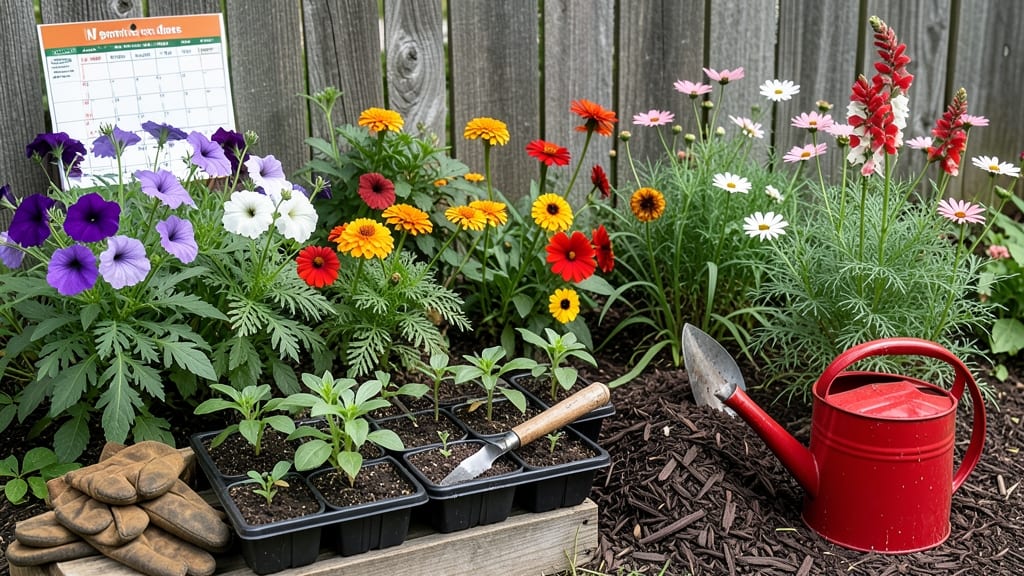
Planting annuals in NJ at the wrong time can mean the difference between a bursts of vibrant color and a sad, frost-killed garden. The perfect window depends on whether you're sowing heat-loving marigolds or cool-tolerant pansies—and NJ's unpredictable frost dates make timing everything.
I've watched my own 🌱 annuals thrive (and fail) over the years, and the secret isn't just checking a calendar—it's understanding your zone's microclimates. Coastal NJ stays warmer longer than inland areas, so your neighbors' planting dates might not work for you.
Let me show you exactly when to start seeds indoors, transplant tender varieties, and even squeeze in late-season blooms before winter arrives.
We'll break down the critical dates for spring and fall planting, plus pro tips to extend your season without expensive gear. Whether you're dreaming of petunias in May or kale in October, this guide ensures your annuals get the head start they need to outlast NJ's tricky weather.
Ready to transform your garden from "maybe next year" to "blooming now"? Let's dive into the timing that actually works for Garden State gardeners—and keep those frost fears at bay.
Best spring planting dates for NJ annuals by hardiness Zone
New Jersey’s USDA Zones 7a and 7b create a tricky balance for spring planting—too early, and frost zaps your annuals; too late, and summer heat arrives before blooms appear.
Based on NJAES 2023 frost data, the average last frost date hovers between April 15 (coastal) and May 1 (inland), but microclimates shift these windows by weeks. Warm-season annuals like tomatoes and petunias need soil at 60°F+, while cool-season pansies and lettuce can handle earlier chill.
Here’s your zone-specific roadmap to zero-frost success.
For Zone 7a (northern NJ), where frosts linger longer, start cool-season annuals like pansies and spinach as early as March 15 under row covers. By April 20, soil warms enough for warm-season starters (tomatoes, peppers) in greenhouses or indoor seed trays.
Harden off seedlings by May 10 and transplant after May 15—the safest bet for frost-free survival. In Zone 7b (southern NJ), coastal areas can plant direct-sown warm-season crops like marigolds by April 1, while inland zones wait until April 15.
| Plant Type | Zone 7a (North) | Zone 7b (South) | Sun Needs | Heatwave Tip |
|---|---|---|---|---|
| Cool-Season (Pansies, Lettuce) | March 15–April 15 | March 1–April 1 | Partial Sun | Use shade cloth 30% |
| Warm-Season (Tomatoes, Petunias) | May 10–May 20 | April 15–May 1 | Full Sun | Mulch with straw |
| Marigolds, Impatiens | April 20–May 5 | April 1–April 15 | Full Sun | Water deeply at noon |
| Basil, Cucumbers | May 15–May 30 | May 1–May 15 | Full Sun | Plant near water source |
Pro tip: Heatwaves in May can stress early plantings. For Zone 7a, delay tomato transplants until May 20 if nights stay below 50°F. In Zone 7b, prioritize shade-loving annuals like coleus or begonias for container gardens if afternoon sun exceeds 85°F.
Always check soil temperature with a probe—warm-season crops need 60°F+ for roots to establish.
Don’t overlook succession planting for bloom continuity. After your first wave of marigolds (planted April 20) fades in July, sow a second batch by June 15 to catch fall colors.
For vegetables, stagger lettuce every 2 weeks from March 15 to May 1 to avoid bolt risk from heat. This 10-week buffer ensures harvests span June through October.
If you’re starting seeds indoors, begin tomatoes and peppers by March 1 (Zone 7b) or March 15 (Zone 7a) for 8-week seedlings ready by May 1. Use grow lights to prevent leggy seedlings—NJ’s short daylight hours in spring slow germination. For direct-sown annuals like
Fall planting timeline for annuals that survive NJ’s first frost
Fall planting in New Jersey offers a second chance to enjoy vibrant annuals like mums, kale, and snapdragons well into winter—if you time it right.
The key is understanding NJ’s microclimates, where coastal areas (like Cape May) average first frost dates 2-3 weeks later than inland zones (like Sussex County). Plant too early, and your blooms will bolt; too late, and frost will nip them before they thrive.
Contrary to popular belief, first frost dates aren’t set in stone. While the USDA suggests October 15–November 1 for most of NJ, soil temperature and plant hardiness matter more.
For example, pansies and calendulas can handle light frosts, while geraniums need warmer soil to root. Here’s how to nail your fall planting window for 60+ days of color.
- 1 Mid-September: Plant hardy annuals (e.g., kale, pansies) in coastal NJ or Zone 7b. Inland areas wait until late September.
- 2 Early October: Add mums and snapdragons for late-season blooms. Use mulch (2–3 inches) to insulate roots.
- 3 Late October: Sow fast-growing varieties (e.g., radishes, spinach) for harvest before first frost. Avoid tender annuals like impatiens.
- 4 Soil Prep: Amend beds with compost to improve drainage. Test pH (aim for 6.0–7.0) to prevent nutrient lockout in cold soil.
- 5 Pro Tip: Use row covers to delay frost by 2–3 weeks. Secure edges with bricks or soil to prevent wind damage.
Don’t let myths about first frost dates fool you—NJ’s microclimates create real differences. For instance, Jersey City might see frost on November 5, while Newton could wait until November 20. Monitor your local Cooperative Extension updates or use a soil thermometer (ideal planting soil temp: 50–65°F).
To maximize blooms, pair long-day annuals (like snapdragons) with short-day varieties (e.g., chrysanthemums). Start with 6–8 week old seedlings for instant color, or direct-sow fast germinators like radishes 4–6 weeks before your average frost date. Water deeply in the morning to reduce fungal risks as temps drop.
With the right timing and soil prep, your fall garden can outlast frost—giving you 60+ days of color and even edible harvests. Test a few hardy varieties this season, and you’ll wonder why you didn’t try it sooner!