
Companion Plants
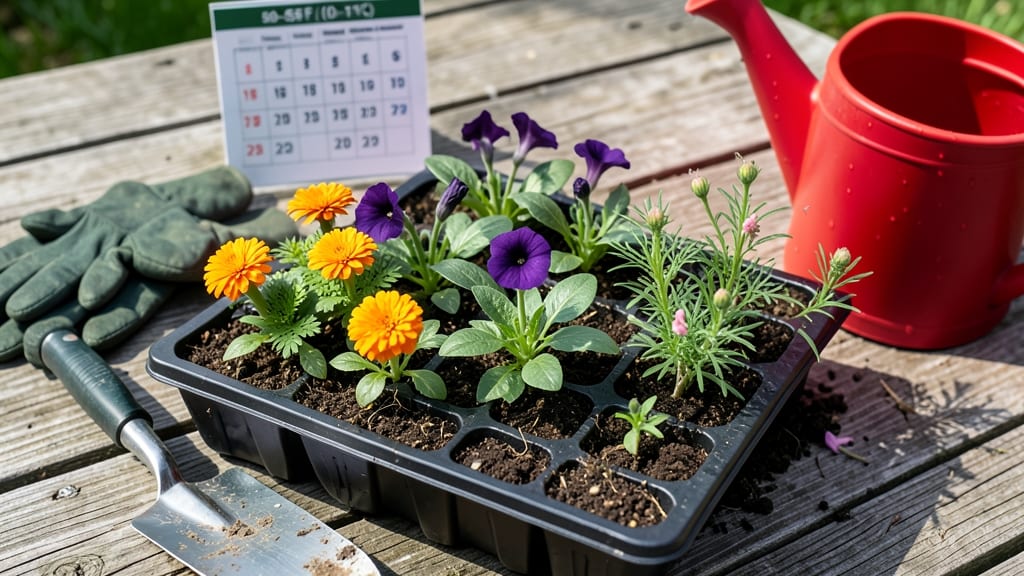
Planting your 🌸 annuals at the wrong time in Zone 5 can mean the difference between a lush garden and a sad, frost-bitten disappointment. The key isn't just waiting for spring—it's knowing when the soil warms enough and the frost risk actually drops.
I've learned the hard way that rushing too early (hello, blackened seedlings!) or waiting too long (bye-bye, summer blooms) can ruin even the best-laid plans.
For Zone 5 gardeners, the magic window typically opens around mid-to-late May, but that's just the starting point. Some hardy annuals like peas and spinach can handle cooler soil, while heat-lovers like tomatoes and basil need to wait until the ground reaches at least 50°F.
The trick is matching your plants to both soil temperature and frost-free predictions—something I’ll break down so you never guess again.
What you’ll discover here is how to time your plantings like a pro, from adjusting for microclimates to choosing the right varieties for your Zone 5 growing season.
Whether you're dreaming of vibrant summer flowers or a bumper crop of veggies, these insights will help you maximize every growing day without the trial-and-error headaches.
Ready to stop second-guessing and start planting with confidence? Let’s dive into the exact soil temps, frost dates, and seasonal hacks that’ll turn your garden into a thriving oasis—no matter where you live in Zone 5.

Zone 5 frost dates & soil temperature requirements for annuals
Understanding Zone 5 frost dates and soil temperature thresholds is the key to planting annuals successfully in my region. The average last frost date typically falls between April 15 and May 15, but this can vary by 1-2 weeks depending on microclimates.
For example, urban areas often warm up faster than rural spots due to the heat island effect. Always check your local Almanac frost date for precision.
Soil temperature is just as critical as air temperature. Most cool-season annuals, like lettuce and spinach, thrive when soil temps are between 45°F and 65°F. In contrast, warm-season annuals such as tomatoes and peppers need soil to warm to at least 60°F before planting.
Using a soil thermometer is a game-changer—it helps me avoid planting too early when the ground is still chilly.
| Plant Type | Ideal Planting Window | Soil Temp Requirement | Notes |
|---|---|---|---|
| Cool-Season Annuals | Early Spring (March-April) or Fall (August-September) | 45°F - 65°F | Examples: Lettuce, Spinach, Kale, Pansies |
| Warm-Season Annuals | After last frost (May-June) | 60°F+ | Examples: Tomatoes, Peppers, Basil, Marigolds |
| Tender Annuals | Start indoors 6-8 weeks before last frost | 70°F+ for transplanting | Examples: Petunias, Impatiens, Geraniums |
| Hardy Annuals | As early as March (with protection) | 40°F+ | Examples: Peas, Radishes, Arugula |
For cool-season annuals, I often start planting as early as late March if I use row covers or a cold frame. These plants can handle light frosts and even 32°F temperatures once established.
My go-to early spring crops include spinach, kale, and radishes, which I direct-sow when soil temps hit 45°F.
Warm-season annuals, however, demand patience. I wait until the soil temperature consistently stays above 60°F before planting tomatoes, peppers, and cucumbers. In Zone 5, this usually means holding off until mid-to-late May.
To speed up soil warming, I use black plastic mulch or plant in south-facing beds that absorb more sunlight.
If you're unsure about your soil temperature, a simple trick is to check the air temperature at ground level. If it’s 70°F or warmer during the day, your soil is likely warm enough for most warm-season crops.
For extra-sensitive plants like basil or eggplant, I wait until the air temperature stays above 75°F consistently.
Don’t forget about fall planting! Many annuals, like pansies, calendulas, and kale, can be sown in late summer for a second harvest.
I aim to plant these by mid-August to give them time to establish before the first frost, which typically hits October 1-15 in Zone 5.
Pro tip: Use frost cloth or lightweight row covers to extend your planting window by 2-4 weeks in spring or fall. This is especially useful for heat-loving annuals like okra or sweet potatoes, which need a longer growing season to mature.
Finally, always double-check your seed packet instructions—some varieties have specific days-to-maturity requirements that dictate when you should plant. For example, bush beans need 50-60 days to harvest, so I plant them by early June to ensure a late-summer harvest before frost.
By mastering these Zone 5 frost dates and soil temperature guidelines, you’ll transform your garden from a gamble into a predictable, bountiful success. Happy planting! 🌱
How to adjust planting times based on microclimate & seed type
Not all parts of your Zone 5 garden experience frost the same way. A south-facing slope warms up faster than a north-facing shady spot, and a low-lying area might hold frost longer. Understanding your microclimates lets you plant earlier in warm pockets or delay in cold spots.
For example, peas and spinach can often go in 2-3 weeks before your official last frost date on those sun-warmed beds.
Your seed type also dictates timing. Hardy annuals like kale and pansies thrive in cooler soil, while heat-loving basil and marigolds need waiting until soil reaches 60°F (15°C). Even within warm-season plants, some—like tomatoes—tolerate cooler starts better than peppers, which need consistent warmth.
Let’s break down how to match plants to your microclimate and extend your season with simple hacks.
- 🌡️ Use soil thermometers—plant warm-season annuals only when soil hits 50°F+ (10°C+). Cold-sensitive plants like basil need 60°F+ (15°C+).
- 🌱 Start hardy annuals (peas, spinach, lettuce) 3-4 weeks before your last frost date in protected microclimates (e.g., near south-facing walls).
- ☀️ Extend spring with row covers or cold frames—plant cool-season crops 2 weeks earlier and remove covers when plants outgrow them.
- 🌿 Delay heat-sensitive plants (like cosmos or zinnias) until after June 1 in Zone 5 to avoid late spring frosts that can blacken new growth.
- 🌳 Plant near trees? Watch for root competition—annuals like marigolds thrive in dappled shade but may struggle with competing roots from mature trees.
For early spring planting, focus on cold-hardy annuals like pansies, snap peas, and radishes. These can handle light frosts and even 32°F (0°C) temperatures once established.
I’ve had success planting spinach under floating row covers as early as mid-April in my south-facing raised beds, which warm up faster than the rest of the garden.
On the flip side, heat-loving annuals like basil, okra, and sunflowers need to wait until after Memorial Day (around May 25) in most of Zone 5.
If you’re eager to grow them, start seeds indoors 6-8 weeks before your last frost date and transplant after the soil warms to 60°F+ (15°C+). A black plastic mulch can speed up soil warming by 5-10°F.
Don’t forget about fall planting! Many cool-season annuals like kale, pansies, and calendulas thrive when sown in late summer (August) for a fall harvest.
Aim to plant them 6-8 weeks before your first frost (around September 1 in Zone 5) to ensure they mature before cold sets in. Use row covers to protect tender varieties like baby lettuce into October.
Pro tip: Keep a garden journal to track which microclimates work best for specific plants. Note when frost hits late in spring or lingers into fall—these records will help you fine-tune planting times year after year.
With these adjustments, you’ll maximize your growing season and enjoy blooms and harvests from early spring to late fall! 🌷