
Plants
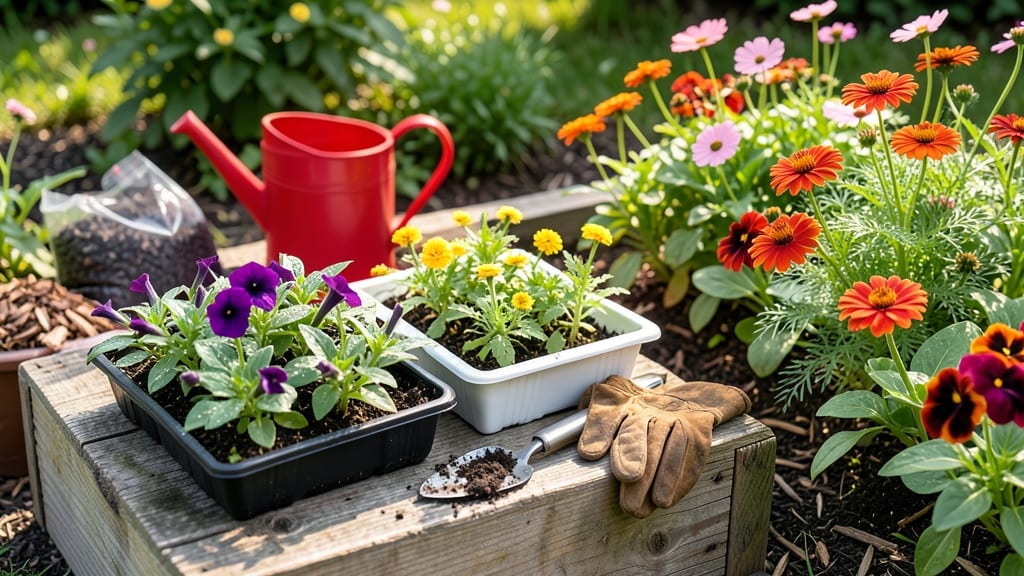
Timing when to plant annuals in Maryland just right means the difference between a garden bursting with 🌱 vibrant blooms and one that wilts before summer even arrives.
The state’s unpredictable frost dates—especially in zones 6a-7b—can leave gardeners scratching their heads about when to start seeds or transplant tender seedlings.
If you’ve ever rushed to plant marigolds or tomatoes only to watch them nipped by late spring frosts, you know how frustrating it can be. But with the right frost-free timeline, you can outsmart Mother Nature and enjoy a longer, more productive growing season.
Whether you’re in Baltimore’s urban heat islands or Western Maryland’s cooler valleys, the key is understanding your local microclimate.
I’ll break down exactly when to plant cool-season annuals (like pansies) versus warm-season varieties (like zinnias), plus how to extend your planting window with simple tricks. No more guessing—just a clear, step-by-step guide tailored to Maryland’s quirks.
Ready to transform your garden from "meh" to "wow"? Let’s dive into the perfect planting schedule so you can start sowing with confidence this spring.
Maryland’s frost-free planting zones: when to start annuals by county
Maryland’s USDA Hardiness Zones 6a-7b create a diverse planting landscape, where the average last frost date can vary by 2-3 weeks between counties. Understanding these zones helps you time your annual flowers and vegetables perfectly—whether you’re in Baltimore’s urban heat islands or Western Maryland’s cooler valleys.
Microclimates, like south-facing slopes or waterfront areas, can shift your frost-free window even further.
For example, Annapolis typically sees its last frost around April 15th, while Frederick County might not be frost-free until May 1st. These differences matter because warm-season annuals like tomatoes and marigolds need consistent soil temperatures above 60°F to thrive.
Plant too early, and you risk stunted growth or lost seedlings.
Here’s how Maryland’s zones break down for your annual planting schedule, including key frost dates and microclimate adjustments:
If you’re in Baltimore City, urban heat can push your frost-free date 3–5 days earlier than rural areas, while Western Maryland’s Allegheny Mountains may delay it by the same margin.
Always check your local National Weather Service for real-time updates, as late spring frosts can still occur in May.
For cool-season annuals like lettuce or pansies, start seeds indoors 6–8 weeks before your last frost.
In Zone 6a, that means mid-March sowing for a May planting. Warm-season annuals, such as tomatoes or marigolds, should wait until soil temperatures hit 60°F, typically mid-May in Zone 6a and early April in Zone 7b.
Pro tip: Use row covers or cold frames to extend your planting window by 2–4 weeks in cooler zones. These tools protect tender seedlings from unpredictable late frosts while letting them absorb sunlight. Just remove covers once temperatures stabilize above 50°F during the day.
Remember, microclimates matter. A south-facing wall or paved surface can create a 5°F warmer microclimate, allowing you to plant 1–2 weeks earlier in those spots. Observe your garden’s unique conditions over a few seasons to refine your planting timeline.
For vegetable annuals, like peppers or eggplants, wait until after Memorial Day in most of Maryland to avoid frost damage. These heat-loving plants need consistent warmth to thrive, so don’t rush—better late than sorry! 🌱
Step-by-step planting calendar for Maryland annuals: what to sow when
Maryland’s cool-season and warm-season annuals thrive on precise timing—plant too early, and frost will strike; too late, and you’ll miss peak blooms or harvests. The key is understanding soil temperatures and frost-free windows, which vary by region.
For most of Maryland, aim to start cool-season crops like lettuce and pansies in early spring, while warm-season favorites such as tomatoes and marigolds need warmer soil in late spring.
I’ve broken down the process into clear monthly steps, including succession planting tips to keep your garden productive all season. For example, you can plant bush beans every 2 weeks from May through July for continuous harvests.
Always check your local last frost date—Baltimore averages May 15, while Western Maryland may see frost linger until May 25.
For succession planting, focus on fast-growing crops like lettuce (harvest in 30-40 days) or bush beans (50-60 days). I like to stagger plantings every 2 weeks to avoid gluts.
For example, if you plant basil on June 1, follow with another batch on June 15 and July 1 to enjoy fresh leaves all summer.
Pro tip: Use a soil thermometer to check temperatures—cool-season crops need soil above 40°F, while warm-season crops thrive at 60°F+. In Maryland’s Zone 7a, soil can warm quickly in May, so monitor daily if possible. Mulch with straw to retain moisture and regulate soil temperature.
Don’t forget to plan for fall planting! Many annuals, like pansies and sweet alyssum, tolerate light frosts and will bloom well into winter. I often sow these in early September for a pop of color when other plants fade.
Just be prepared to cover them if a hard freeze is forecasted.
By following this calendar, you’ll maximize your garden’s potential and enjoy continuous blooms and harvests from spring through fall—no wasted space or missed opportunities! 🌱🌿