
Plants
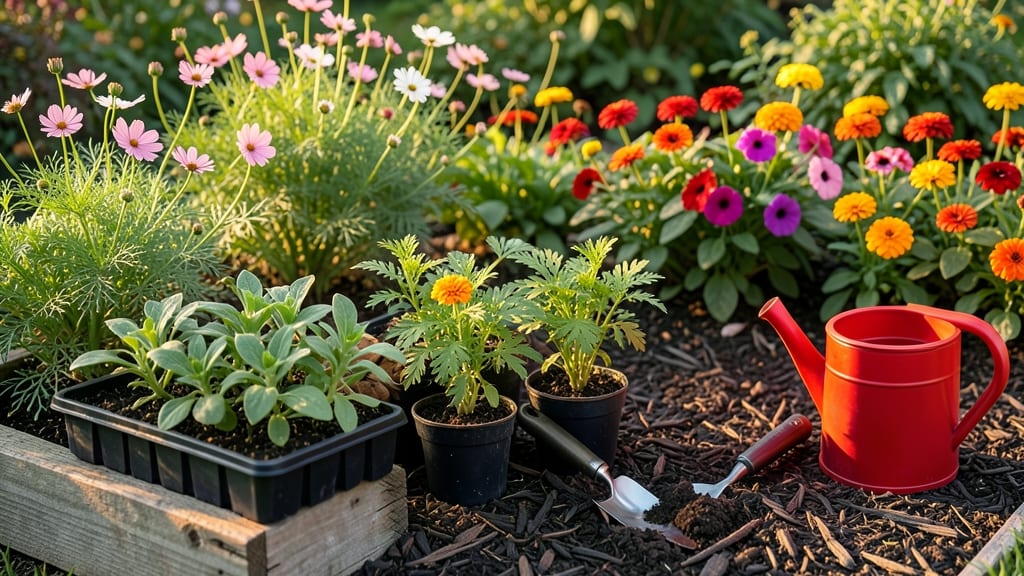
Planting annuals 🌸 in Connecticut at the wrong time can mean watching your garden dreams wilt before summer even begins—but get the timing right, and you’ll enjoy nonstop color from spring to frost.
With USDA Zone 6a’s unpredictable frosts and short growing season, knowing when to plant makes all the difference. Whether you’re dreaming of petunias or crisp lettuce, the key is working with—not against—Connecticut’s climate quirks.
I’ll break down the exact windows for spring and fall planting, plus how to stretch your blooms into October using simple tricks like row covers. No more guessing—just vibrant gardens that last.
Ready to turn your yard into a year-round showstopper? Let’s dive into the perfect planting schedule for your CT zone.
Connecticut planting zones: exact dates for annual flowers by region
Connecticut’s USDA Zones 5-6 create a challenging but rewarding environment for annual flowers. The state’s short growing season and unpredictable frost dates demand precise timing—especially when transitioning from cool-season to warm-season plants.
Whether you’re in Hartford’s inland valleys, New Haven’s urban heat islands, or New London’s coastal breezes, knowing your exact planting windows ensures vibrant blooms all season.
Cool-season annuals like pansies and snapdragons thrive when planted 4-6 weeks before your last frost date, while warm-season favorites such as marigolds and zinnias need to wait until soil temperatures reach 50°F.
Coastal areas often enjoy earlier frost-free dates (think April 15 in New London) compared to inland zones like Hartford (May 1 average). Let’s break down the exact dates and regional adjustments you need.
| Region | USDA Zone | Last Frost Date | Cool-Season Planting | Warm-Season Planting | Fall Planting Window |
|---|---|---|---|---|---|
| Hartford | 6a | May 1 (avg) | April 15–April 30 | May 15–June 1 | August 20–September 10 |
| New Haven | 6b | April 25 (avg) | April 1–April 15 | May 1–May 15 | August 15–September 5 |
| New London (Coastal) | 6a | April 15 (avg) | March 20–April 5 | April 25–May 10 | August 10–August 25 |
For cool-season annuals, start seeds indoors 6-8 weeks before your region’s last frost date. In Hartford, this means March 15 for hardy varieties like lettuce and spinach, while coastal New London gardeners can begin as early as February 20.
These early starts give seedlings a head start before transplanting outdoors when soil temperatures stabilize above 40°F.
Warm-season annuals like tomatoes and petunias require soil temperatures of 60°F+ to thrive. Inland areas like Hartford typically hit this mark by mid-May, while New Haven’s urban heat can push it to early May.
Coastal New London often waits until late April due to cooler maritime influences. Always check soil temps with a soil thermometer—planting too early can stunt growth or invite fungal diseases.
Fall planting for cool-season annuals begins 8-10 weeks before your first frost. Hartford’s window closes by September 10, while New Haven can extend to September 5.
Coastal New London’s shorter season means planting must wrap up by August 25. Choose fast-maturing varieties like radishes or bush beans to maximize your harvest before frost.
Pro tip: Use row covers to extend your warm-season planting by 2-3 weeks in spring or fall blooms by 10 days. For example, in Hartford, covering marigolds planted August 20 can push their bloom time into early October. Just remove covers during hot afternoons to prevent overheating.
Monitor local frost alerts via the CT Agricultural Experiment Station or National Weather Service. A late frost in May can devastate tender annuals, while an early September chill might save you from rushing fall plantings.
Keep a garden journal to track your region’s quirks—your notes will become your most valuable tool over time.
Don’t forget microclimates! Urban areas like New Haven’s brick-paved streets can create heat islands that allow earlier planting of warm-season crops. Meanwhile, shady garden corners may need partial-shade annuals like impatiens instead of sun
Best annual flowers for CT’s climate and when to start them indoors
Connecticut’s short growing season and unpredictable frosts demand smart planning for annual flowers. Starting seeds indoors gives you a 6-week head start before transplanting after the last frost—typically mid-to-late May in most of CT.
My top picks thrive in CT’s USDA Zones 5-6 and deliver nonstop color from early summer to frost.
Petunias, marigolds, and cosmos are standout performers because they tolerate CT’s hot summers and humidity while resisting common pests. For example, petunias bloom prolifically in full sun, while cosmos handle partial shade better. Marigolds add pest-deterrent benefits too!
| Plant | Indoor Start Date | Transplant Date | Bloom Time | CT Climate Notes |
|---|---|---|---|---|
| Petunias | March 15–April 1 | May 15–June 1 | 6–8 weeks after transplant | Thrives in full sun; pinch back for bushier growth |
| Marigolds | March 1–March 15 | May 1–May 15 | 8–10 weeks after transplant | Deters aphids and tomato hornworms; drought-tolerant |
| Cosmos | April 1–April 15 | May 1–May 30 | 10–12 weeks after transplant | Self-seeds; drought-resistant once established |
| Zinnias | March 20–April 10 | May 10–June 1 | 7–9 weeks after transplant | Attracts butterflies; cut back for continuous blooms |
To maximize blooms, follow this 6-week indoor schedule: Start seeds in seed trays under grow lights (14–16 hours/day). Harden off seedlings 1 week before transplanting by placing them outside during the day and bringing them in at night. This acclimation prevents shock when they hit CT’s humid summers.
For fall color, repeat the process with cool-season annuals like pansies or snapdragons. Start them indoors July 1–15 for transplanting in early September. This ensures vibrant blooms until the first frost (mid-October in most of CT).
Pro tip: Use biodegradable pots to avoid root disturbance during transplanting. Also, mix compost into your garden beds to improve drainage—CT’s clay-heavy soil can cause root rot if too compacted. Water deeply once a week after transplanting to encourage strong root growth before summer heat arrives.
With these timing tricks, your annuals will outperform store-bought plants and bloom longer—even in CT’s challenging climate. Happy planting! 🌸