
Plants
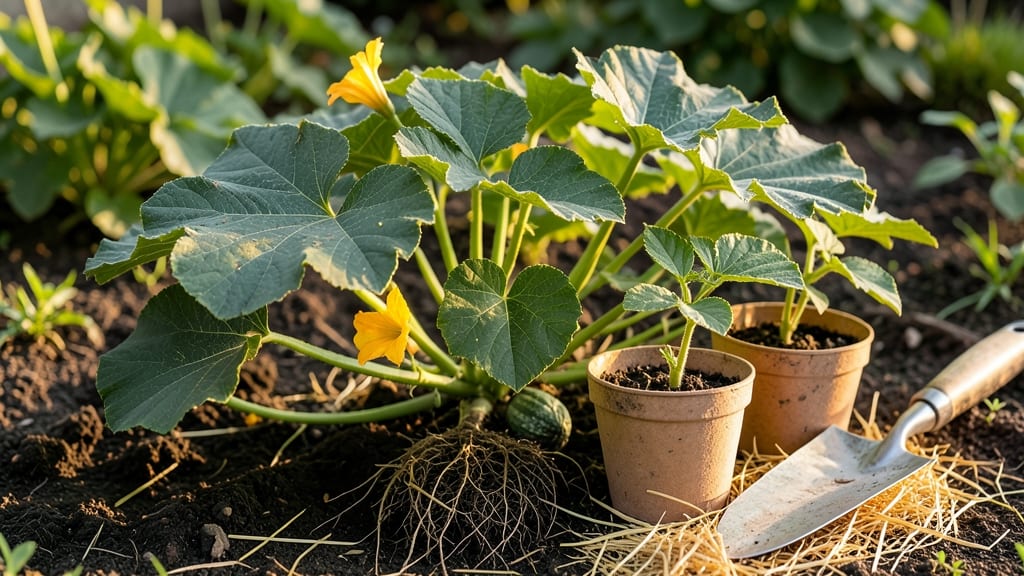
Planting acorn squash in Texas isn't just about throwing seeds in the dirt—it's about outsmarting the heat and avoiding frost surprises that can ruin your harvest before it even starts.
The right timing means the difference between sweet, plentiful 🎃 and wilted disappointment, especially when Texas summers hit like a furnace.
I've learned the hard way that acorn squash thrives when planted after the last frost but before the soil turns into a sauna.
For North Texas gardeners in zones 8a-9a, that means waiting until late February or early March, while Central and South Texas growers can start as early as January. The key? Soil temperature—it needs to hit at least 60°F to give those seedlings the best shot at survival.
What makes Texas unique is how quickly conditions shift from cool mornings to scorching afternoons. Plant too early, and frost lingers; too late, and your squash will struggle under 100°F+ heat.
I'll show you exactly how to time your planting for maximum yield, whether you're in the Panhandle or the Rio Grande Valley, so you can enjoy homegrown squash from August through November.
Ready to grow acorn squash that rivals the best farmers' market finds? Let's dive into the perfect planting schedule tailored to your Texas heat zone—so you can skip the guesswork and start harvesting like a pro.
Texas heat Zones: best planting months by region (avoid frost & extreme heat)
Texas's diverse USDA hardiness zones mean acorn squash planting windows vary dramatically from North Texas to South Texas. In Zone 7b-8a, late frosts can linger until March 15, while Zone 9a-9b gardeners might face 100°F+ heat by June.
Understanding these regional differences ensures your squash thrives without frost damage or heat stress.
Acorn squash (Cucurbita pepo) needs 60°F+ soil temperatures to germinate and 75-110 days to mature. Planting too early risks frost damage, while late planting exposes seedlings to intense Texas heat, causing poor fruit set.
The key is aligning your planting schedule with frost-free dates and heat tolerance thresholds specific to your region.
Below is a region-by-region breakdown of ideal planting months, soil temperature targets, and heat management strategies. Use this guide to pick the perfect window for your North, Central, or South Texas garden.
For North Texas gardeners (Zones 7b-8a), wait until after March 15 to plant acorn squash. This timing avoids late frosts while giving plants time to establish before summer heat peaks. Use row covers if planting earlier to protect seedlings from unexpected cold snaps.
In Central Texas (Zones 8a-8b), aim for February planting to balance frost risk with summer heat. Acorn squash thrives in 70-85°F temperatures, but consistent watering is critical when afternoon temps exceed 90°F to prevent blossom-end rot.
South Texas (Zones 9a-9b) offers the earliest planting window—start in January—but be prepared for intense heat by mid-summer. Use shade cloth or plant in partial shade during peak heat (June-August) to protect young plants and maintain fruit quality.
Regardless of your Texas zone, always test soil temperature with a soil thermometer before planting. Acorn squash seeds won’t germinate below 60°F, and seedlings struggle in soil temps above 90°F.
For maximum yield, pair your planting schedule with mulching to retain moisture and drip irrigation for consistent watering.
Pro tip: Extend your harvest by planting successive crops every 2-3 weeks in Central and South Texas. This staggered approach ensures a continuous supply of acorn squash from summer through fall, avoiding the rush of a single harvest.
Remember, Texas heat is unpredictable. Monitor local weather forecasts and adjust your planting timeline if unseasonable cold or prolonged heatwaves are forecasted. With the right timing, your acorn squash will flourish—yielding sweet, nutritious harvests all season long. 🎃
How to time acorn squash planting for maximum yield in Texas heat
Acorn squash thrives in Texas's long growing season, but heat stress and early frost can derail your harvest if you plant at the wrong time. The key is balancing soil warmth with air temperature—aim for 60°F soil and consistent 70°F+ days.
In North Texas, wait until mid-April; in Central and South Texas, start as early as January for fall harvests.
Direct sowing is best, but if you're starting indoors, transplant seedlings after the last frost when they're 3-4 weeks old and have 2-3 true leaves. Harden them off for 5-7 days before moving to the garden. This prevents transplant shock in Texas's intense afternoon sun.
Step-by-Step Planting Timeline for Texas
- 🌱 Check soil temperature with a thermometer—wait until it reaches 60°F+ (use a soil warming mat in early spring if needed).
- 📅 Plant early varieties (e.g., 'Table Queen') in January-February (South/Central TX) or March-April (North TX) for fall harvests.
- 🌿 Sow seeds 1 inch deep, spacing them 2-3 feet apart in hills (3 seeds per hill). Use black plastic mulch to retain heat and suppress weeds.
- ☀️ Provide afternoon shade (e.g., shade cloth) if temps exceed 95°F to prevent bolting or blossom-end rot.
- 💧 Water deeply at the base (1-2 inches per week) and mulch heavily to keep roots cool during 100°F+ heat waves.
- ⏰ Adjust for late varieties (e.g., 'Autumn Gold')—plant them 2-3 weeks later to extend harvest into November.
For North Texas gardeners, focus on late-March to early-April planting to avoid late spring frosts. Use row covers if nights dip below 50°F. In South Texas, you can even plant successive crops in January and July for staggered harvests, but prioritize shade and irrigation during summer.
Watch for bolting (premature flowering) if days get too hot—this happens when temps exceed 90°F for weeks.
To prevent it, plant in partial shade or use drip irrigation to keep soil evenly moist. Blossom-end rot (a calcium deficiency) also spikes in heat—apply crushed eggshells or calcium nitrate at planting time.
Harvest acorn squash when the rind hardens and the stem dries—typically 85-100 days after planting. In Texas, this usually falls between late August and November, depending on your planting window. Store harvested squash in a cool, dry place (50-55°F) for up to 3 months.