
Planting
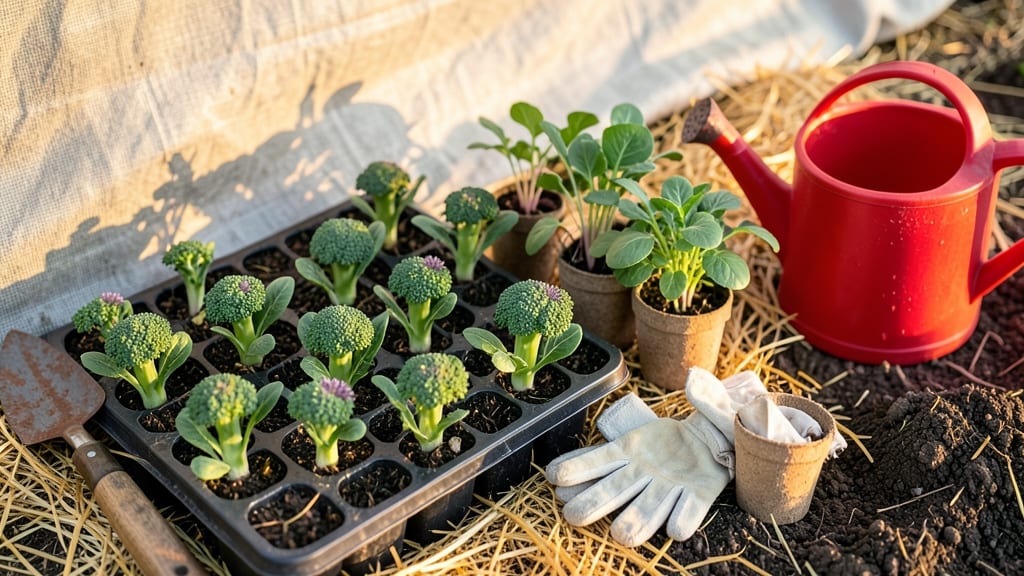
Planting a winter garden in Florida isn’t just possible—it’s a game-changer for fresh, homegrown 🥬 all year. But timing is everything: miss the window, and you’ll either bake your seedlings in residual summer heat or watch pests take over as temperatures creep back up.
The secret lies in understanding Florida’s unique microclimates, where North Florida’s cooler pockets and South Florida’s near-tropical winters demand different strategies.
I’ve spent years perfecting this schedule, and what I’m about to share isn’t just theory—it’s the exact month-by-month plan that works for Florida’s frost-free zones.
Whether you’re in Jacksonville’s Zone 8a or Miami’s Zone 11, you’ll learn when to start seeds indoors, when to transplant heat-sensitive crops, and how to stretch your harvest through April without losing your mind to aphids or bolting greens.
Here’s the truth: most gardeners in Florida either plant too early and fry their seedlings or wait too long and get outpaced by pests. I’ll show you how to avoid both pitfalls with simple, science-backed adjustments—plus, which crops thrive in Florida’s winter humidity (hint: it’s not just lettuce).
Let’s get those seeds in the ground the right way.
Ready to grow a winter garden that actually pays off? By the end of this guide, you’ll have a clear timeline, the best varieties for your microclimate, and tricks to beat Florida’s winter quirks—like how to use row covers without turning your garden into a sauna.
Let’s make this your most productive winter yet.
Florida winter planting calendar by microclimate Zone (north vs. central vs. south)
Florida’s winter gardening success hinges on understanding your microclimate zone. While the entire state enjoys frost-free winters, North Florida (Zones 8a-8b) faces cooler temperatures earlier than Central (Zone 9a) or South Florida (Zones 10a-11).
Planting too soon in the north risks heat stress, while southern gardens must act faster to avoid summer’s return. Here’s your zone-specific schedule for zero-frost crops like broccoli, carrots, and peas.
Key to timing is Florida’s first frost-free date, which varies by zone. In North Florida, average last frost dates range from January 15–February 15, while Central Florida rarely sees frost, and South Florida stays frost-free year-round. Use these dates as your planting deadlines to avoid summer heat.
For all zones, soil temperature is critical. Aim for 50–60°F for cool-season crops. In North Florida, wait until late October for direct sowing; Central Florida can start in mid-October, while South Florida gardens thrive with September sowings. Below is your month-by-month comparison.
| Month | North Florida (Zones 8a-8b) | Central Florida (Zone 9a) | South Florida (Zones 10a-11) | Notes |
|---|---|---|---|---|
| August | Prep soil; sow heat-tolerant varieties like 'Black Seeded Simpson' lettuce | Direct sow carrots, radishes for fall harvest | Sow broccoli, cabbage for early winter | Use shade cloth (30%) to protect seedlings |
| September | Transplant cabbage, kale; direct sow peas | Sow spinach, Swiss chard; transplant broccoli | Peak month for winter greens (sow lettuce, arugula) | Last chance for fall crops in North Florida |
| October | Critical month: sow all winter crops (avoid heat stress) | Sow turnips, beets; transplant collards | Sow peas, fava beans; thin seedlings | Monitor soil temps (ideal: 50–60°F) |
| November | Direct sow spinach, radishes; protect with row covers | Sow leafy greens; harvest early carrots | Transplant cabbage, Brussels sprouts | North Florida: first frost risk after Nov 15 |
| December–January | Harvest cool-season crops; sow hardy greens (kale, collards) | Peak harvest; sow successive crops every 2 weeks | Extend season with cold frames; sow peas | Use mulch to retain soil moisture |
| February | Last harvest before summer heat; prep for spring crops | Transition to warm-season crops (sow tomatoes in March) | Sow early summer crops (okra, sweet potatoes) | North Florida: soil temps rise after Feb 15 |
In North Florida, prioritize October planting for zero-frost crops like 'Florida Broadleaf' collards, which tolerate light frosts. Use row covers to extend harvests into January. Central Florida gardens can push boundaries with September sowings of broccoli, but avoid planting after November 15 to prevent heat stress.
South Florida’s frost-free advantage lets you sow lettuce and peas as early as August. However, by February, temperatures climb, so shift to heat-tolerant varieties like 'Jericho' lettuce. Always check 7-day forecasts—unexpected warm spells can bolt greens in days.
Pro tip: Use UF/IFAS’ Florida Automated Weather Network (FAWN) to track soil temperatures in your county. Enter your zip code to get real-time data on when to plant heat-sensitive crops like spinach. Aim for 50°F+ soil temps for germination.
For container gardens, adjust timing by 2–4 weeks earlier—containers cool faster. Place pots in sheltered spots (e.g., under eaves) to protect from cold snaps
How to adjust planting dates for your specific Florida county (with interactive tools)
Florida’s microclimates mean your county’s frost risk and chilling hours could differ drastically from neighboring areas. Even a 20-mile difference can shift your ideal planting window by 2-3 weeks. For example, Jacksonville (Zone 8b) has 100+ chilling hours more than Miami (Zone 10b), drastically affecting broccoli and spinach growth.
To pinpoint your exact planting dates, start with the UF/IFAS Frost Risk Map (available at UF/IFAS). This tool shows your county’s historical frost probability—critical for heat-sensitive crops like lettuce or kale.
For instance, Orlando (Zone 9a) has a 1% frost risk, while Tallahassee (Zone 8a) faces 10% risk in January.
- Use this tool: UF/IFAS Chilling Hours Map
- Enter your county to see annual chilling hours (e.g., 300 hours in Gainesville, 100 hours in Fort Myers).
- For leafy greens, transplant when soil temps hit 60°F (use a soil thermometer).
- For root crops (carrots, beets), wait until 55°F to avoid bolting.
- Lettuce: Plant 6-8 weeks before your county’s first 80°F day (check FSU Climate Center).
- Spinach: Needs 400+ chilling hours—only viable in North/Central Florida.
- Florida Automated Weather Network (FAWN): fawn.ifas.ufl.edu for real-time soil/water data.
- Planting Date Calculator: Input your crop and county for exact dates.
Pro tip: South Florida growers (Zones 10a-11) should focus on heat-tolerant varieties like ‘Black Seeded Simpson’ lettuce, which handles 85°F better than traditional types. Meanwhile, North Florida gardeners can plant broccoli as early as October—but cover seedlings with frost cloth if temps dip below 30°F.
Don’t guess—use these free UF/IFAS tools to align your planting with your county’s unique climate patterns. For example, Palm Beach County (Zone 10a) can grow winter greens year-round, while Panhandle counties (Zone 8a) must time transplants to avoid January’s rare frost.
Start with the UF/IFAS County Map to unlock your personalized planting schedule. The difference between a thriving harvest and a failed crop often comes down to these 10-degree soil temp adjustments—and the tools are all free and waiting for you.