
Planting
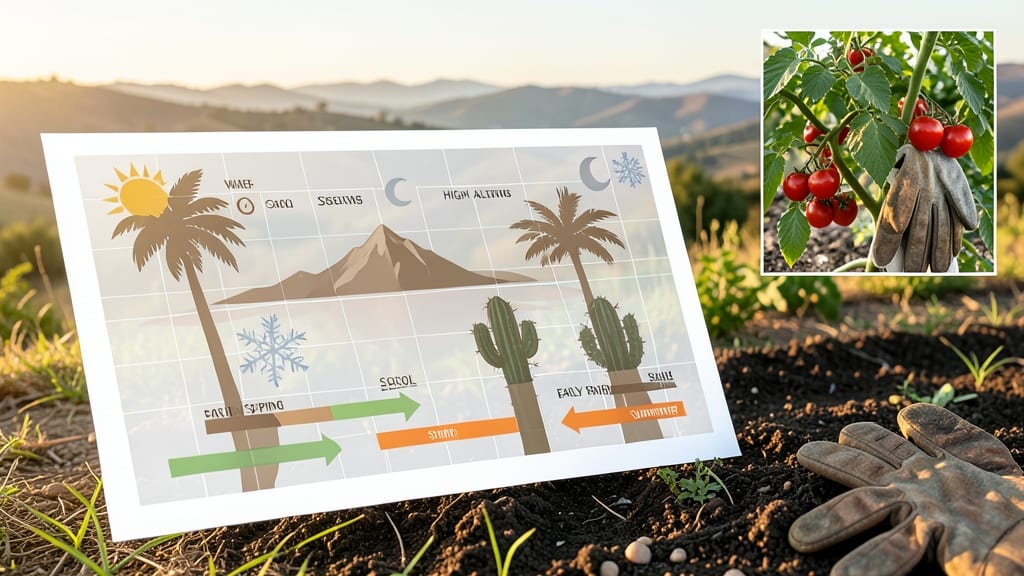
Planting your vegetable garden 🌱 at the wrong time in California can mean the difference between a thriving harvest and wilted disappointment—especially when coastal fog, desert heat, and Central Valley swings all play a role.
With 10+ microclimates across the state, there’s no one-size-fits-all answer. But the good news? By aligning your planting schedule with your specific zone—whether you’re in coastal 9b-10a, Central Valley 9a-10a, or desert 9b-10a—you can enjoy fresh produce year-round.
I’ll break down the exact months to sow cool-season crops like lettuce and broccoli versus warm-season favorites like tomatoes and peppers, plus how to avoid frost surprises in your area.
Ready to turn your garden into a year-long harvest machine? Let’s get started with the timing that works for your corner of California.
California planting zones & best months for vegetable crops
California’s diverse microclimates create unique challenges and opportunities for vegetable gardeners. Unlike most states, California spans USDA zones 7b to 11, with coastal fog belts, Central Valley heat, and desert extremes.
Understanding your specific zone ensures you plant warm-season crops (like tomatoes and peppers) at the right time and avoid frost damage to cool-season crops (such as lettuce and broccoli). Let’s break down the best planting windows for each region.
For coastal areas (e.g., San Francisco, Santa Barbara), frost is rare, but cool ocean breezes delay spring warming. Inland Central Valley zones (e.g., Sacramento, Fresno) experience hot summers and cold winters, while desert regions (e.g., Palm Springs, Death Valley) have extreme heat and short growing seasons.
Foothill areas (like Napa or Sonoma) blend traits of both coastal and valley climates. Each zone has its own last-frost dates and ideal planting windows.
Below is a microclimate-specific guide to planting cool-season vs. warm-season vegetables, including frost-free dates and best months for sowing seeds or transplanting seedlings. Use this as your roadmap to a year-round harvest, regardless of where you garden in California.
Cool-season crops like lettuce, broccoli, and peas thrive in 50–65°F temperatures and should be planted 8–10 weeks before your first frost. In coastal areas, you can grow these almost year-round, but Central Valley gardeners must plant in late summer or fall to avoid winter frost. For example, broccoli sown in September will be ready by December, just before frost hits.
Warm-season crops—such as tomatoes, peppers, and cucumbers—need soil temperatures above 60°F and consistent warmth.
In coastal zones, plant tomato seedlings in March for a summer harvest, while Central Valley gardeners can start as early as February. Desert regions have a narrow window (March–April) due to scorching summers, so opt for heat-tolerant varieties like cherry tomatoes or jalapeños.
Succession planting is key in California’s variable climates. For instance, leafy greens can be sown every 2–3 weeks in cooler months, while beans and squash benefit from multiple plantings in spring and early summer.
In desert areas, focus on fast-maturing crops like bush beans or radishes to beat the heat. Always check your local agricultural extension office for hyper-local frost data, as microclimates can shift dramatically even within cities.
Protect tender seedlings with row covers or cold frames if planting near last-frost dates. For coastal gardeners, fog delays warming, so wait until April to plant warm-season crops like eggplants. In contrast, Central Valley gardeners can start peppers indoors in February and transplant after
How to extend your growing season in California’s microclimates
California’s microclimates create unique gardening challenges—coastal fog can delay spring planting, while desert heat spikes force early harvests. The key to success? Strategic extensions that protect your plants from extreme conditions. Whether you’re in San Francisco’s chill or Palm Springs’ heat, these techniques will keep your garden thriving year-round.
I’ve tested these methods in my own garden, and they’ve doubled my harvest seasons. From cold frames that shield seedlings to succession planting that keeps your soil productive, these tactics work across California’s diverse zones. Let’s break down the best approaches for your specific climate.
🌱 5 Proven Ways to Extend Your Growing Season
- 1. Cold Frames: Use for early spring or late fall starts. Trap heat during the day and insulate at night—perfect for leafy greens and root vegetables.
- 2. Row Covers: Lightweight fabric that protects from frost and extends fall harvests. Works for broccoli, cauliflower, and peas.
- 3. Succession Planting: Sow fast-maturing crops every 2-3 weeks to ensure a continuous harvest. Ideal for lettuce, radishes, and bush beans.
- 4. Heat-Tolerant Varieties: Choose drought-resistant plants like Okra, Sweet Potatoes, and Black-Eyed Peas for desert climates.
- 5. Mulching: Apply straw or wood chips to retain soil moisture and regulate temperature. Critical for coastal gardens with morning fog.
For coastal gardens, focus on frost protection like row covers and shade cloth for summer. My San Diego garden thrives with succession-planted lettuce every 3 weeks, ensuring fresh greens from November to April. In contrast, Central Valley gardens benefit from drip irrigation and mulch to combat heat stress.
In desert regions, prioritize shade structures and heat-tolerant crops. I’ve grown Okra and Sweet Potatoes successfully in Palm Springs by planting in early summer and harvesting before monsoon season. Timing is everything—avoid planting heat-sensitive crops like cucumbers until after May 15th.
Don’t overlook vertical gardening to maximize space and airflow. Trellises for pole beans or cucumbers improve yield and reduce disease risk. Pair this with companion planting, like basil with tomatoes, to naturally extend your harvest window.
With these strategies, you’ll enjoy fresh produce year-round, no matter your California microclimate.
Start small—test one technique this season, then expand. My first attempt with a cold frame added 6 extra weeks of spinach harvests. Now, I can’t imagine gardening without these tricks! 🌱