
Plants
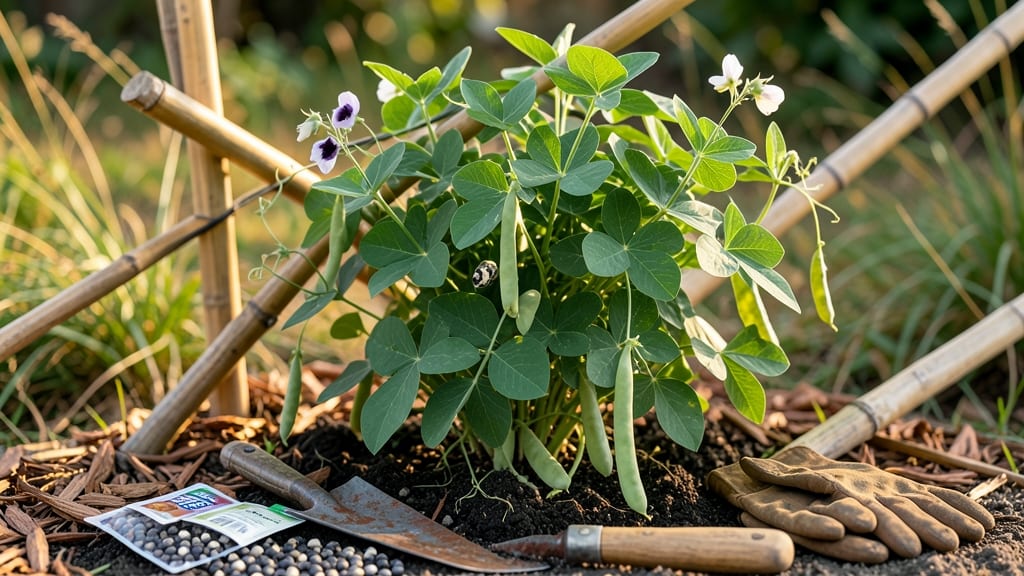
Planting black-eyed peas at the wrong time in Texas can turn your garden dreams into a sad, wilted mess—especially when those 50-day harvest windows slip away faster than you think. This heat-loving 🌱 thrives in zones 8a-10b, but even here, timing matters more than you’d expect.
Most gardeners assume spring is the only game in town, but Texas’s long growing season actually gives you two prime chances to plant: fall (September-October) and spring (March-April). The key? Avoiding that sneaky first frost—whether it hits North Texas in November or lingers in South Texas until January.
I’ve learned the hard way that planting too early means stunted growth, while waiting too long risks missing the sweet spot for plump pods. Let me show you exactly how to nail the timing—plus how to stretch your harvest when Texas weather throws curveballs.
From soil temperature tricks to regional microclimate hacks, you’ll discover the exact windows that work for your part of the state. Ready to grow black-eyed peas that actually produce? Let’s get started.
Optimal Texas planting windows for black eyed peas: spring vs fall timing
Timing your black-eyed peas in Texas is a balancing act between heat tolerance and frost avoidance. These legumes love warmth but can't handle freezing temps—so getting the window right means the difference between a bountiful harvest and wasted effort.
My experience shows that fall planting often outperforms spring in Texas, but both seasons have their tricks.
Texas spans USDA zones 8a-10b, creating microclimates where North Texas faces earlier frosts than South Texas. For example, Dallas gardeners might plant in late September, while Houston gardeners can wait until mid-October without frost risk.
The key is matching your planting to soil temperatures (aim for 55°F+) and local frost dates.
Black-eyed peas mature in 50-75 days, so your planting window must account for both growing time and harvest timing. In Texas, this means planting 6-8 weeks before your first expected frost for a fall harvest, or after the last frost in spring. Miss this window, and you risk stunted plants or frost damage before harvest.
| Region | Ideal Planting Window | Soil Temp Threshold | First Frost Risk | Harvest Window |
|---|---|---|---|---|
| North Texas (Dallas, Fort Worth) | Late Sept - Early Oct (Fall) / Early Apr (Spring) | 55°F+ | Mid-Nov | Nov - Dec |
| Central Texas (Austin, San Antonio) | Mid-Sept - Late Oct (Fall) / Mid-Mar (Spring) | 55°F+ | Late Nov | Oct - Dec |
| South Texas (Houston, Corpus Christi) | Late Aug - Early Nov (Fall) / Feb (Spring) | 60°F+ | Early Jan | Sept - Jan |
| West Texas (El Paso, Lubbock) | Early Sept - Mid-Oct (Fall) / Early Apr (Spring) | 60°F+ | Mid-Nov | Oct - Dec |
Spring planting in Texas works best after mid-March when soil temperatures consistently stay above 55°F. However, spring-planted peas often face pests and heat stress later in the season.
I’ve found that fall planting (especially in September-October) gives you a cooler growing season and fewer pest pressures, leading to healthier plants.
For North Texas gardeners, planting black-eyed peas in late September ensures harvest before the November frost. In contrast, South Texas gardeners can stretch planting until early November thanks to milder winters.
The trick is to monitor your local frost dates—check resources like the Texas A&M AgriLife Extension for updates.
Soil preparation is just as critical as timing. Texas soils are often alkaline and clay-heavy, which can stunt growth. Amend your soil with compost or aged manure before planting to improve drainage and nutrient availability.
I always test my soil pH—aiming for 6.0-7.0—to give black-eyed peas the best start.
If you’re planting in containers or raised beds, you can extend your growing season by 2-3 weeks in both spring and fall. Containers warm up faster in spring and lose heat slower in fall, giving you more flexibility.
Just ensure your containers have drainage holes to prevent root rot in Texas’s humid summers.
One common mistake I see is planting too early in spring, when cool soils slow germination. Black-eyed peas need warm soil to sprout quickly—wait until the ground reaches 60°F+ before sowing.
In fall, planting too late risks immature harvests before frost. Always plant 6-8 weeks before your expected first frost for a full yield.
For maximum yield, consider succession planting in fall. Sow a second batch
5 Critical factors that determine perfect planting time in Texas
Texas gardeners know timing is everything when planting black-eyed peas. These heat-loving legumes thrive when planted at the right moment, but getting it wrong can mean poor germination or lost harvests.
To nail the perfect planting window, you must track five critical factors that vary across Texas's diverse climate zones.
First, last frost dates set the baseline for spring planting. In North Texas, the average last frost falls around March 15, while South Texas gardeners can plant as early as February 15.
For fall planting, work backward from your region's first frost date—typically mid-November in the Panhandle and early December in Central Texas.
Here’s what you absolutely must consider before planting:
- 1. Soil Temperature: Black-eyed peas need soil that’s warmed to at least 55°F for optimal germination. Use a soil thermometer to check—especially in early spring or late fall when temperatures fluctuate.