
Plants
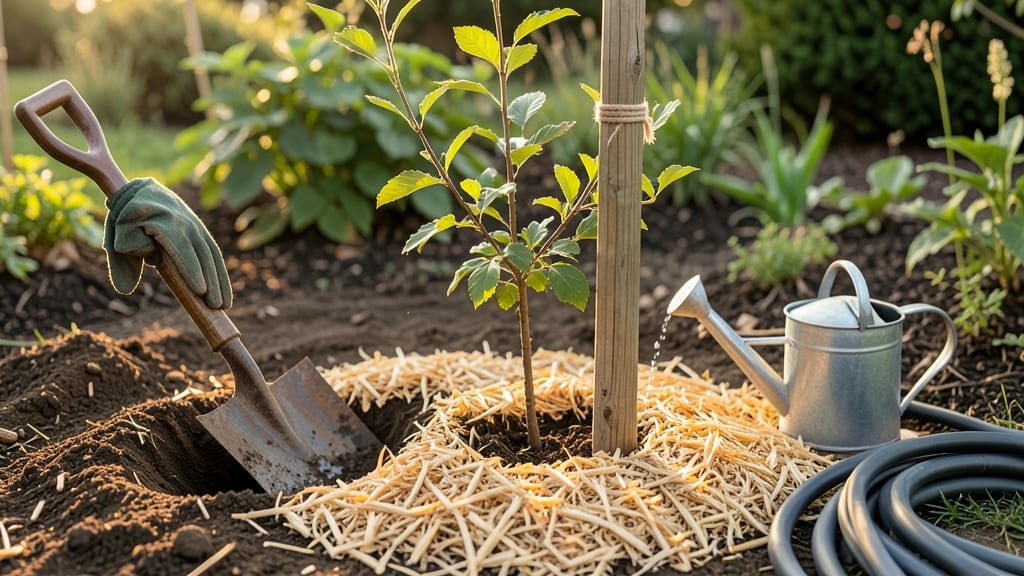
Planting a tree in Texas at the wrong time can turn your $200 sapling into a sad, stunted shadow of its potential—especially when summer heat hits like a freight train.
The best months to plant your 🌳 aren’t just about avoiding frost; they’re about giving roots a fighting chance before the next extreme season.
Whether you’re in North Texas’s chilly winters or South Texas’s balmy year-round climate, timing matters more than most gardeners realize. I’ve seen trees thrive when planted in fall or early spring, but the wrong month?
That’s how you end up with a struggling plant that never reaches its full height.
In this guide, I’ll break down the fastest-growing planting windows by region—so you can skip the guesswork and give your tree the best shot at deep roots and lush growth before Texas’s next heatwave or freeze.
Ready to plant with confidence? Let’s dive into the exact months that’ll make your tree a neighborhood showstopper—not a sad afterthought.
Best tree planting months in Texas by region (north vs south vs west)
Planting a tree in Texas requires understanding regional microclimates that drastically affect survival rates. North Texas faces harsh winters, while South Texas battles relentless summer heat, and West Texas endures extreme drought. Timing isn't just about seasons—it's about avoiding heat stress or frost damage during your tree's vulnerable first year.
For North Texas (USDA Zones 7b-8a), the ideal window is late fall through early spring—October to March.
This gives roots time to establish before summer drought or winter freezes hit. Central Texas (Zones 8a-8b) has a slightly longer window—September to April—while South Texas (Zones 9a-11) can plant year-round but avoids peak summer heat (June-August).
Here’s how each region differs in optimal planting months, soil prep, and watering needs to ensure your tree thrives:
In North Texas, live oaks and cedar elms planted in October establish roots before winter dormancy. The key is to plant 6–8 weeks before the first frost—typically by November 15 in Dallas-Fort Worth.
For early spring plantings, aim for February to avoid late-season freezes that can shock young roots.
Central Texas offers a longer window due to milder winters, but summer heat (100°F+) makes planting in May–July risky. Texas redbuds and Mexican sycamores thrive when planted in September, benefiting from cooler temps and consistent rainfall. Avoid planting during drought declarations, which are common in June–August.
For South Texas, hurricane season (June–November) adds another layer of risk. Planting in September gives trees time to root before storms, while January–March plantings avoid both heat and humidity. Sapodillas and Mexican peppertree are excellent choices here, as they tolerate sandy, well-draining soils common in the region.
In West Texas, where annual rainfall is often under 10 inches, drought-resistant species like mesquite or Texas mountain laurel are non-negotiable. Plant in October or February to align with natural rainfall patterns. Mulch 3–4 inches deep and water deeply every 10–14 days to simulate monsoon conditions.
Regardless of region, bare-root trees planted in winter (December–February) establish faster than container-grown trees. For container-grown trees, fall planting (September–November) reduces transplant shock. Always water deeply after planting—10–15 gallons for small trees—and avoid fertilizing for the first 6–8 weeks to prevent root burn.
Pro tip: Use a soil moisture meter to check root zone hydration. In West Texas, I’ve seen trees planted in October survive 100°F summers with just monthly deep watering, while North Texas plant
How to prepare soil and choose tree species for Texas’ harsh conditions
Texas soil can be a double-edged sword—rich in nutrients in some areas but often clay-heavy or poorly draining in others. Before planting, I always test my soil’s pH (6.0-7.5 ideal) and texture (sandy vs. clay) using a simple kit from the local nursery.
Clay soils, common in East and Central Texas, need organic amendments like compost or sand to break up compaction and improve aeration.
For drainage improvement, I dig a 6-inch-deep hole wider than the tree’s root ball and mix in 2-3 inches of compost or aged manure.
In West Texas, where soils are often alkaline, a sulfur amendment can help lower pH. Always avoid fresh mulch or manure, as it can burn young roots.
| Soil Prep Step | Action | Best For |
|---|---|---|
| Test Soil | Use pH test kit (ideal: 6.0-7.5) | All Texas regions |
| Amend Clay Soil | Mix in 3" compost + sand | East/Central Texas |
| Improve Drainage | Dig 6" deep hole + gravel layer | Low-lying areas |
| Adjust Alkaline Soil | Add sulfur (1 lb per 100 sq ft) | West Texas |
| Mulch Properly | 3" wood chips, 6" from trunk | All regions |
Choosing the right tree species is just as critical as soil prep. For North Texas, I recommend Texas redbuds (Cercis canadensis var. texensis) for their early spring blooms and drought tolerance.
In Central Texas, live oaks (Quercus virginiana) dominate landscapes with their deep roots and shade benefits, while cedar elms (Ulmus crassifolia) handle urban pollution well.
For West Texas, where water is scarce, Eve’s necklacepod (Sophora secundiflora) and Texas mountain laurel (Sophora secundiflora) thrive with minimal irrigation once established. Always opt for native species, as they’ve evolved to survive Texas’ extreme heat and occasional freezes.
After planting, I water deeply once a week for the first year, focusing on the root zone. A 3-inch layer of mulch helps retain moisture and regulate soil temperature. Avoid overwatering—soggy soil is just as deadly as drought for young trees.
My top three species for Texas’ harsh conditions are live oak (shade + longevity), Texas redbud (ornamental + adaptable), and cedar elm (urban-friendly + drought-tolerant). Each offers unique benefits while requiring minimal maintenance once established.