
Plants
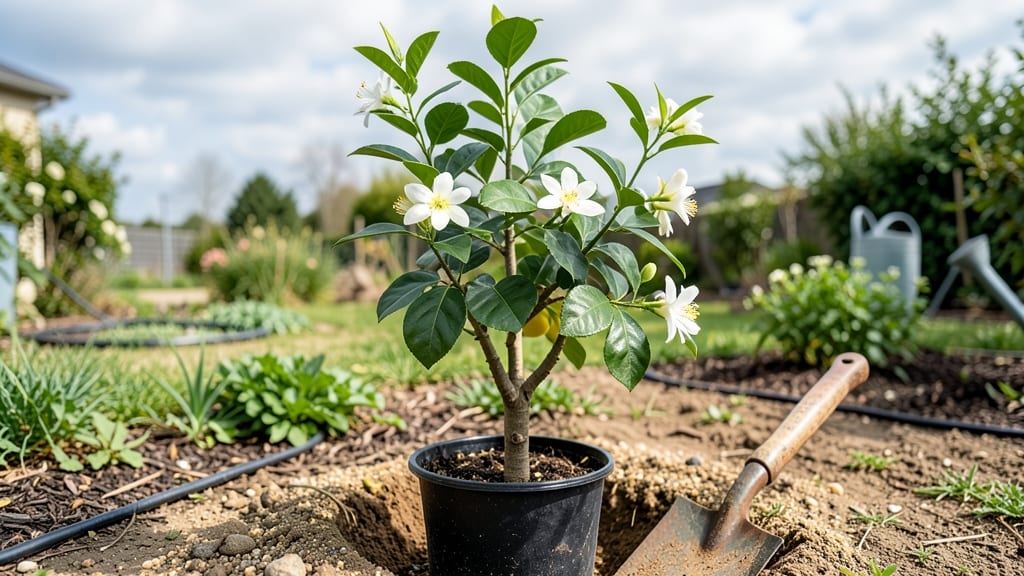
Planting your 🍋 lemon tree in the ground at the wrong time can mean the difference between a thriving citrus harvest and struggling roots that never take hold.
The key to success lies in waiting for that perfect window when soil temperatures rise above 60°F—a critical factor for root establishment that most gardeners overlook.
In USDA Zone 6 and colder regions, your best bet is to plant after the last frost date—typically mid-April—when the ground has warmed enough to support new growth.
But in warmer zones like 8-10a, late summer or early fall planting works just as well, giving roots time to settle before winter.
Why does timing matter so much? Cold soil shocks delicate citrus roots, stunting growth or inviting disease. I’ll show you how to check soil readiness, avoid common mistakes, and give your lemon tree the strong foundation it needs for years of bountiful fruit.
From microclimate tricks to regional adjustments, let’s break down the exact steps to plant your 🍋 lemon tree at the ideal moment—no guesswork required.
Ideal lemon tree planting seasons by USDA Zone: when to plant for maximum survival
Timing your lemon tree transplant is everything—plant too early, and frost will kill tender roots; too late, and your tree struggles to establish before winter. The USDA Zones 8-11 offer the best conditions, but each region has unique windows for success.
In Zone 10, you can plant year-round, while Zone 8 gardeners must wait until spring. The key? Soil temperatures above 70°F and no frost risk for at least 6 weeks post-planting.
Lemon trees are tropical natives, so they demand warmth. If you’re in California’s coastal Zone 9, aim for March-April to avoid summer heat stress. Meanwhile, Arizona’s Zone 10 allows late-summer planting (August-September) to take advantage of monsoon moisture.
Florida’s Zone 10-11 gardeners can plant almost anytime, but June-July gives roots time to settle before hurricane season.
Container-grown lemon trees adapt better to timing shifts than bare-root transplants, which need immediate root establishment. If you’re moving a potted tree, wait until soil is warm enough (test with a soil thermometer at 6-8 inches deep).
Bare-root trees, however, must go in the ground as soon as possible—their roots dry out quickly, so spring planting is non-negotiable in cooler zones.
Regional frost-free periods dictate your window: California’s Los Angeles (Zone 10) has 300+ frost-free days, while Florida’s Miami (Zone 11) never sees frost. Arizona’s Phoenix (Zone 9) has 210 frost-free days, so late summer planting works. Always check your local last frost date—planting too early risks root damage, even if soil feels warm.
🌱Pro Tip: In Zone 8, use row covers or plant in containers for extra protection if you must plant in early spring. Move containers indoors during frost warnings.
| USDA Zone | Best Planting Window | Soil Temp Requirement | Regional Notes | Transplant Type |
|---|---|---|---|---|
| Zone 8 | Late April–May | 70°F+ (21°C+) | Frost risk until June; use containers for flexibility. | Bare-root or potted |
| Zone 9 (Coastal CA) | March–April | 65°F+ (18°C+) | Avoid summer planting; heat stress is deadly. | Potted preferred |
| Zone 9 (Arizona) | August–September | 75°F+ (24°C+) | Monsoon moisture helps root establishment. | Bare-root or potted |
| Zone 10 (Florida) | Year-round (avoid hurricane season) | 68°F+ (20°C+) | June–July ideal; watch for fungal diseases in humidity. | Potted or in-ground |
| Zone 11 | January–February or September–October | 72°F+ (22°C+) | Avoid peak summer heat; shade cloth helps. | Potted or in-ground |
For container-grown lemon trees, timing is less critical because you can move them to sheltered spots or indoors during cold snaps. However, bare-root transplants demand immediate attention—plant them within 24 hours of purchase to prevent root desiccation.
If you’re in Zone 8, consider microclimates: South-facing slopes warm up faster and are ideal for early planting.
🌿Common Mistake: Planting in fall in Zone 8-9 gives roots too little time to establish before winter dormancy. If you must plant late, choose dwarf varieties (like Meyer lemons)—they recover faster from delayed starts.
After planting, mulch heavily (4-6 inches of organic mulch) to retain soil warmth and moisture. In Zone 10-11, mulch also protects roots from intense summer heat.
Water deeply every 2-3 days for the first month, then taper to weekly deep waterings once established. Avoid overhead watering—drip irrigation is best to prevent fungal diseases.
How to tell when soil is warm enough: 3 key signs your lemon tree’s roots will thrive
Your lemon tree’s roots need warm soil to establish strong growth, but checking soil temperature can feel tricky without fancy tools. Lemon trees thrive in soil that’s consistently above 60°F at 6-8 inches deep.
Cold soil delays root growth and makes your tree vulnerable to stress. Here’s how to test soil readiness without guesswork.
First, avoid planting when soil is still chilly—lemon trees hate cold roots. Even if daytime temps feel warm, the ground may still be too cool. I’ve learned the hard way that rushing planting leads to yellowing leaves and stunted growth.
Instead, wait for these clear signs of soil warmth before transplanting your citrus.
- 1 Soil Temperature Check: Use a soil thermometer (or DIY method) to measure 6-8 inches deep. Ideal temp: 65-75°F for root growth. If it’s below 60°F, wait 1-2 weeks—roots won’t activate in cold soil.
- 2 Weeds Are Sprouting: Annual weeds like crabgrass or chickweed signal warm soil. These weeds germinate at 55-60°F, so their appearance means your lemon tree’s roots can thrive too. Check bare patches of soil for tiny green shoots as a free warm-soil indicator.
- 3 Earthworms Are Active: Dig a small hole (6 inches deep) and look for wriggly earthworms. These creatures thrive in 50-70°F soil and signal safe planting conditions. If you find them, your lemon tree’s roots will love the environment too.
If your soil is still too cold, don’t panic—you can accelerate warming with black plastic mulch or a clear plastic tunnel over the planting area. These methods raise soil temps by 10-15°F in just days.
I’ve used this trick in Zone 7 to plant lemons a week earlier than usual without stressing the roots.
Pro tip: Morning is the best time to check soil warmth. Early sunlight heats the ground faster, giving you an accurate reading. Avoid testing after a rainy day—moist soil feels cooler than it is. For container-grown lemon trees, wait until nighttime temps stay above 50°F before transplanting.
Once your soil hits the 65°F sweet spot, your lemon tree’s roots will establish in 2-3 weeks instead of months. Watch for new growth within 4-6 weeks as proof your timing was perfect. Happy planting! 🌱