
Plants
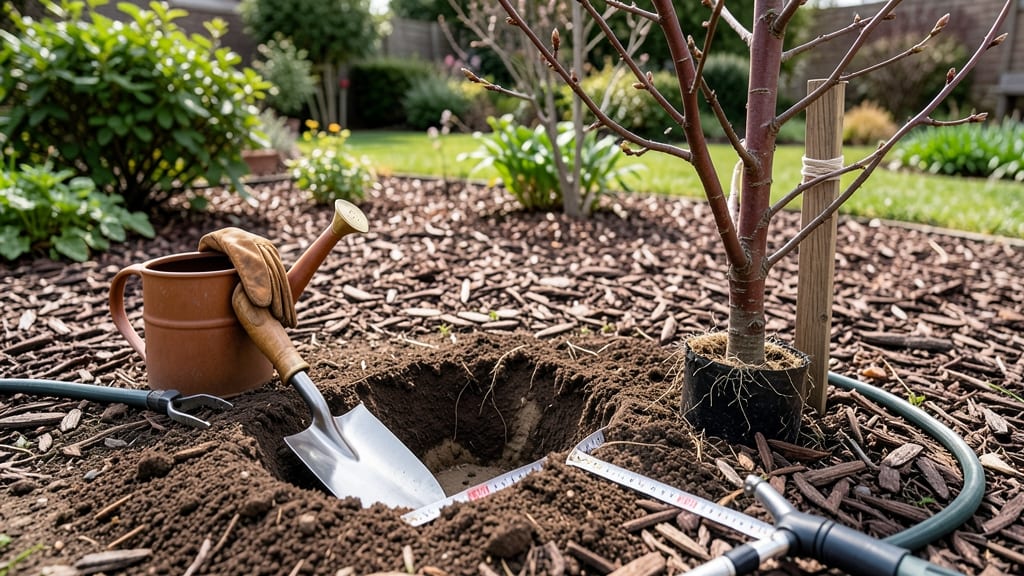
Planting a tree in the ground at the wrong time can turn your 🌳 into a struggling sapling instead of the thriving shade provider you envisioned. The best time to plant depends on soil temperature, seasonal cycles, and even lunar phases—factors most gardeners overlook but that make all the difference.
In Zone 6a, where spring arrives around mid-April, late winter to early spring (after the last frost) is your golden window. But fall also works if you plant 6 weeks before the first frost, giving roots time to establish before winter sets in.
This timing isn’t just about avoiding frost—it’s about letting roots grow when the ground is warm enough but not yet scorching.
You might’ve heard about moon phases boosting growth, but the real secret is soil temperature. When the ground reaches 50-60°F, roots take off like a rocket. Too early, and they’ll sit dormant; too late, and summer drought can stress your young tree before it’s ready to handle the heat.
Ready to plant? I’ll walk you through how to check soil readiness, align with lunar cycles (yes, it matters!), and adjust for your specific climate. Let’s get that tree growing strong from day one.
Best soil temperature and seasonal timing for tree planting
Planting a tree isn't just about digging a hole—soil temperature and seasonal timing are the hidden keys to success. When roots struggle to establish in cold or hot soil, your tree may never reach its full potential.
The ideal soil temperature range for planting is 50-60°F, where roots can grow actively without stress. This window typically aligns with spring or fall, depending on your climate zone.
Why does temperature matter so much? Trees planted in soil below 40°F risk root damage from frost, while soil above 70°F can cause dehydration stress. Even the moisture retention in soil changes with temperature—cool soil holds water better, while hot soil dries out faster.
Understanding these factors helps you pick the perfect planting window for your region.
Soil temperature isn't something you guess—you test it! Use a simple soil thermometer (inserted 6 inches deep) to check conditions before planting. For most tree species, aim for 50-60°F for at least 2 weeks before planting. This gives roots time to establish before extreme weather hits.
Now, let's talk seasons. In temperate climates, spring planting (after last frost) is ideal because soil warms gradually, and trees enter their growing season with energy. Fall planting (6-8 weeks before first frost) works too—roots establish before winter dormancy sets in.
But in warm climates, winter or early spring is best to avoid summer heat stress.
Here’s the science: Trees planted in the right season develop stronger root systems because they’re not battling temperature extremes. For example, a maple tree planted in late spring may struggle if soil stays cold too long, while a pine tree can handle cooler soil better.
Always match your tree species to your climate’s natural rhythms.
Regional differences matter too. In USDA Zone 5, planting in May avoids late frosts, while in Zone 9, December planting skips summer heat. Check your local frost dates and adjust accordingly. Even within a zone, microclimates (like urban heat islands) can shift ideal planting times by weeks.
Testing soil readiness goes beyond temperature. Check for good drainage by digging a hole and filling it with water—if it drains in 1-2 hours, your soil is ideal.
If water pools, amend with compost or sand to improve aeration. Also, avoid planting when rainfall is unpredictable, as young trees need consistent moisture.
One common mistake? Planting in summer heat when soil is dry and evaporation is high. If you must plant in summer, do it in early morning or late evening and mulch heavily to retain moisture. For container-grown trees, soak the root ball before planting to reduce transplant shock.
Pro tip: If you’re in a drought-prone area, plant in fall to take advantage of winter rains. In humid climates, spring planting avoids fungal diseases that thrive in summer moisture. Always research your tree species—some, like birch trees, prefer cooler soil, while crepe myrtles thrive in warmth.
Remember, the goal is to give your tree the best possible start. When soil temperature, seasonal timing, and species needs align, you’ll see faster growth, stronger roots, and a healthier tree for years to come. Now grab that soil thermometer and pick your perfect planting window! 🌳
How moon phases and lunar planting can boost tree growth
While seasonal timing is critical for tree planting, many gardeners overlook the lunar calendar as a powerful tool. Ancient agricultural traditions swear by moon phases, claiming they influence plant growth.
Modern science, however, offers a more nuanced perspective—rooting phases during the moon's waxing cycle can indeed enhance root development when combined with proper soil conditions.
The idea is simple: the moon's gravitational pull affects water movement in soil and plant systems. During the waxing moon (when the moon grows brighter), sap rises in plants, making it an ideal time for planting above-ground crops.
For trees, however, the focus shifts to the rooting phases—the waning moon (when the moon shrinks) is traditionally considered best for planting trees, shrubs, and root crops.
But here's where it gets interesting: while lunar planting has anecdotal support, scientific studies on its effectiveness are mixed. Some research suggests subtle benefits in root establishment when planting aligns with moon phases, while others argue climate and soil prep matter far more.
The key is balancing traditional wisdom with practical science—like planting during the right moon phase and optimal soil temperatures.
Lunar Planting for Trees: Pros and Cons
Pros ✅
- Enhanced root growth: Waning moon phases may improve water absorption and root development.
- Traditional success: Many gardeners report healthier trees when planted during rooting phases.
- Psychological benefit: Encourages mindful planting and better soil preparation.
Cons ❌
- Limited scientific proof: Studies show minimal impact compared to soil/climate factors.
- Overcomplication: Relying solely on moon phases may delay proper soil prep.
- Regional variability: Lunar effects vary by climate—less critical in tropical zones.
🌱 Best practice: Use lunar phases as a supplement to seasonal timing, not a replacement.
For fastest germination, align tree planting with the waning gibbous phase (7 days after full moon). This is when the moon's energy is directed downward, theoretically boosting root systems.
Pair this with 50-60°F soil temperatures for best results. I’ve found that planting oak or maple trees during this phase in early fall leads to stronger root systems by spring.
That said, don’t let lunar timing replace basic planting rules. A tree planted at the wrong time—even during a "favorable" moon phase—will struggle if soil is too cold or dry.
Always prioritize soil temperature, moisture levels, and local frost dates over lunar cycles. Think of the moon as a bonus tool, not a magic solution.
To test this yourself, try planting half your new trees during a rooting phase and half outside it. Track growth over 3 months—you might be surprised by the subtle differences.
Just remember: the moon’s influence is indirect. Its true power lies in reminding us to pay attention to the natural rhythms of growth.