
Plants
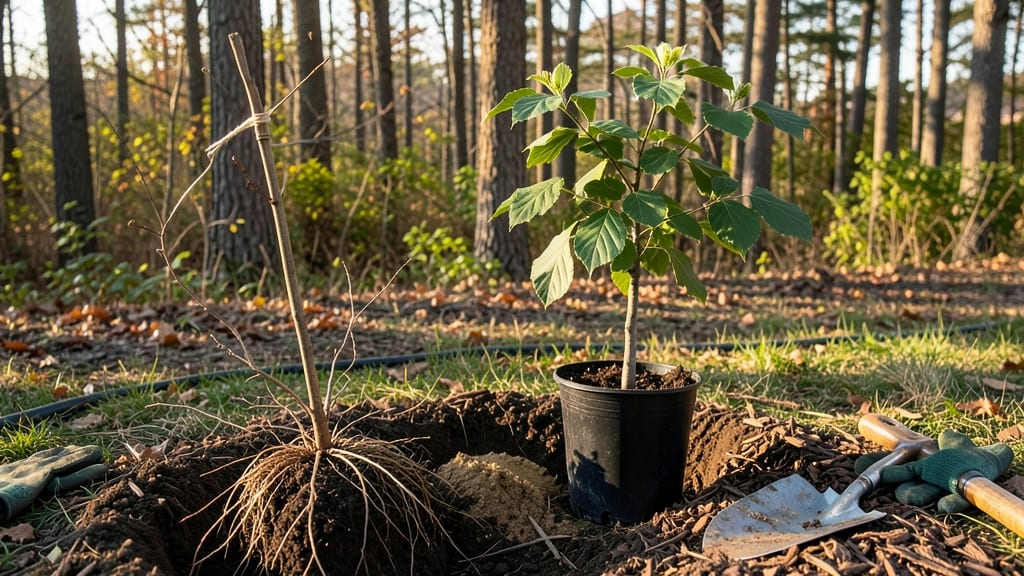
Timing your dogwood tree 🌳 planting in fall could mean the difference between a struggling sapling and a sturdy, long-lived centerpiece for your yard—but getting it right takes more than just guessing the season.
Most gardeners assume "fall" means anytime between September and December, but dogwoods need chill hours to thrive, and planting too early or late can stress the tree before winter sets in.
In USDA Zone 6a, where many growers live, the sweet spot is 4-6 weeks before the first frost—typically late November to early December.
Why does this matter? Fall-planted dogwoods establish roots in cooler soil, reducing transplant shock and giving them a head start in spring. I’ll break down exactly how to match your region’s chill hours to the perfect planting window, plus common mistakes that could derail your tree’s growth.
Ready to plant with confidence? Let’s dive into the science behind fall dogwood success—and how to avoid the pitfalls that trip up even experienced gardeners.
Optimal fall planting windows by USDA Zone and chill-hour requirements
Dogwood trees thrive when planted in fall, but the exact timing depends on your USDA zone and local chill hours. Most dogwood varieties need 300–900 chill hours—prolonged exposure to temperatures between 32–45°F—to trigger winter dormancy and ensure vibrant spring blooms.
Planting too early risks regrowth, while planting too late can stress roots before winter sets in.
Your local chill hours determine the ideal window. For example, Zone 5 (600–900 chill hours) has a wider fall window than Zone 8 (300–500 chill hours). Use a chill-hour calculator (like those from your local Cooperative Extension Service) to pinpoint your region’s exact needs before digging in.
In Zone 5, aim to plant your dogwood by mid-October to give roots time to establish before winter. For example, in Chicago, where chill hours typically reach 700–800 by late November, planting in early October ensures roots harden off naturally.
Conversely, in Zone 8’s Atlanta, wait until November to avoid heat stress.
For bare-root dogwoods, prioritize planting when soil temps drop below 60°F—this signals the tree to enter dormancy. Container-grown dogwoods can handle slightly warmer soil (55–60°F) but still benefit from cooler temps. Always check your local frost date and plant 4–6 weeks before the first hard freeze.
If you’re unsure about your chill hours, use a weather station app or contact your local nursery. They’ll know whether your area leans toward early or late fall planting. For instance, Pacific Northwest zones (like Zone 7) often have milder winters, extending the window to December.
Pro tip: Acid-loving dogwoods (like Cornus florida) thrive in slightly acidic soil (pH 5.0–6.5). Test your soil before planting—amend with peat moss or pine needles if needed. This step is critical for Zone 6 gardeners, where soil pH can fluctuate with seasonal rains.
In Zone 8, where winters are mild, planting in November minimizes transplant shock. For example, San Francisco’s dogwoods often bloom earlier because they experience fewer extreme temperature swings. Always mulch newly planted dogwoods with 3–4 inches of wood chips to insulate roots and retain moisture.
One common mistake is planting too early in warm zones (like Zone 9). Dogwoods may sprout new growth, only to be killed by a late frost.
Conversely, planting too late (e.g., January in Zone 5) leaves roots vulnerable to freezing. Use a soil thermometer to confirm temps are ideal before committing.
For container-grown dogwoods, the fall window is slightly more flexible—you can plant up to 2 weeks before the ground freezes. However, bare-root trees need soil temps below 60
Signs your fall dogwood planting timing is perfect (or too late)
Fall planting offers dogwood trees a head start on root growth before winter dormancy, but timing is critical. Plant too early, and your sapling may sprout new growth that can’t survive frost.
Plant too late, and its roots may freeze before establishing. The sweet spot? When soil temperatures hover between 45–60°F—warm enough for roots to settle but cool enough to prevent regrowth.
Your local climate plays a starring role. In USDA Zone 5, aim for mid-October to early November, while Zone 8 gardeners should wait until late November or December.
Check your region’s chill-hour requirements—dogwoods need 300–900 hours below 45°F to bloom reliably. Use a soil thermometer to confirm conditions before digging.
Watch for new shoots on your dogwood after planting—a red flag that you planted too early. These tender sprouts won’t survive winter and can drain the sapling’s energy.
Conversely, if the ground is frozen or rock-hard, roots can’t penetrate, leading to poor establishment. Aim for a firm but workable soil consistency, like a damp sponge.
Container-grown dogwoods offer flexibility but require extra prep. Remove the pot and loosen roots gently if they’re circling. For bare-root trees, trim any damaged roots and create a broad planting hole (twice as wide as the root ball).
This encourages roots to spread outward rather than circling, which stunts growth. A shovel or transplant spade helps minimize root disturbance.
Pro tip: Mark your planting date on a calendar and track your dogwood’s progress. By spring, well-timed fall plantings often show 2–3 feet of new growth, while poorly timed ones may struggle to exceed 6 inches.
The difference? Perfect timing sets the stage for decades of vibrant blooms and shade.