
Planting
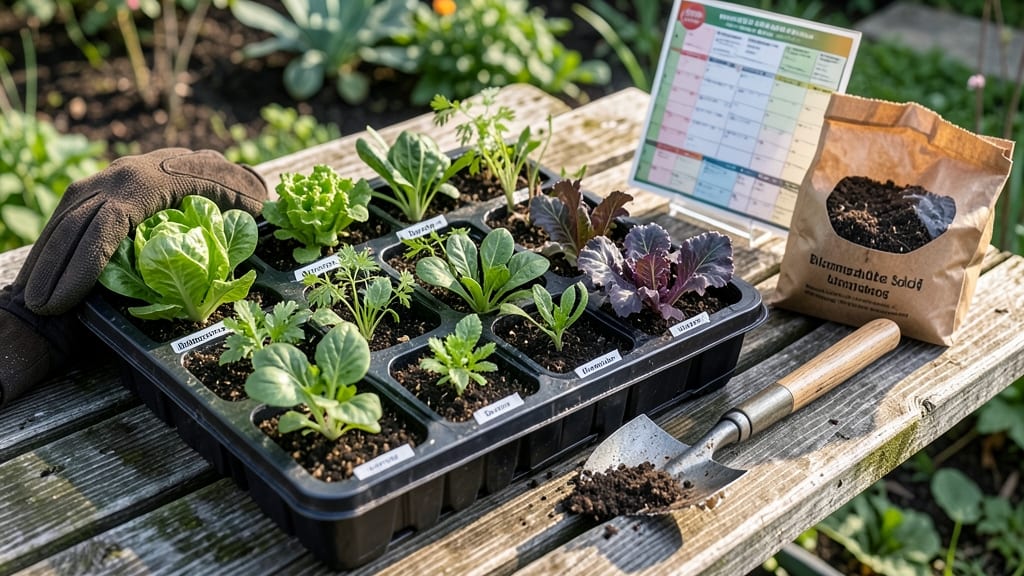
When to plant a garden in Washington, DC is the difference between a thriving harvest and a sad, wilted disappointment—especially when frost can sneak up faster than you think. With last frost dates around April 15 and first frosts creeping in by November 15, you’ve got a tight window to get your 🌱 General Garden Vegetables & Herbs in the ground without wasting precious growing days.
If you’ve ever planted too early and lost seedlings to a surprise freeze—or waited too long and missed the summer heat—you know how frustrating it can be.
The key is aligning your planting with DC’s USDA Zone 7a-7b and microclimates, whether you’re in a hot urban pocket or a cooler suburban area. Let’s break down the exact windows you need to maximize your garden’s potential.
You’ll learn which crops thrive in DC’s early spring (like peas and lettuce) and which demand the summer heat (think tomatoes and basil). We’ll also cover how to stretch your season with smart techniques, so you’re not left scrambling when the first frost hits.
Ready to turn your garden into a year-round success?
From seed-starting indoors to direct sowing outdoors, I’ll walk you through the 3-step process to nail your planting schedule—no more guesswork, just green thumbs and homegrown goodness. Let’s get started!
Washington DC frost dates 2024: key planting windows by season
Washington DC’s USDA Zone 7b/8a climate creates a 165-day frost-free growing season, but timing your plantings correctly is crucial. The average last frost date is April 15, while the first frost typically arrives around November 15.
These dates can shift by 2-3 weeks depending on your specific microclimate—whether you're gardening in urban heat islands or cooler suburban areas.
Urban areas like Downtown DC often experience earlier last frosts due to concrete heat retention, while suburban neighborhoods with more green space may see later frosts. Always check NOAA’s DC climate data for your exact location, as microclimates can create 10°F temperature differences within just a few blocks.
🌱 Planting windows in DC are divided into:
- Early spring (March–April): Cool-season crops
- Late spring (May–June): Warm-season crops
- Summer (July–August): Succession planting
- Fall (September–October): Second cool-season crops
| Season | Planting Window | Sample Crops | Key Notes |
|---|---|---|---|
| Early Spring | March 15–April 15 | Spinach, Peas, Lettuce, Kale | Start seeds indoors 4–6 weeks before last frost. |
| Late Spring | April 30–May 15 | Tomatoes, Peppers, Basil, Cucumbers | Wait until soil warms to 50°F+ for warm-season crops. |
| Summer | June 1–July 15 | Okra, Southern Peas, Sweet Potatoes | Use shade cloth for heat-sensitive varieties. |
| Fall | August 15–September 15 | Broccoli, Carrots, Radishes, Arugula | Plant 6–8 weeks before first frost for harvest. |
For cool-season crops, like kale or spinach, start seeds indoors in mid-March and transplant after the last frost. These plants thrive in 50–70°F soil and can even handle light frosts after establishment.
I’ve had success with broccoli planted in late August for a fall harvest before the first frost.
Warm-season crops, such as tomatoes and peppers, need consistent soil temperatures above 60°F. In DC, this typically means waiting until late May for direct sowing. If you’re eager to plant earlier, use black plastic mulch to warm the soil faster. I’ve tested this method and seen 2-week earlier planting success for cucumbers.
Urban gardeners in heat islands (like Capitol Hill) may experience earlier soil warming in spring, allowing for earlier planting of warm-season crops. However, these areas can also overheat in summer, stressing plants like lettuce. Use shade cloth or drip irrigation to mitigate heat stress.
To plan for fall planting, aim to sow seeds 6–8 weeks before your expected first frost. For example, if your frost date is November 15, plant broccoli by September 15.
This gives plants enough time to mature before cold weather sets in. I’ve found that radishes and arugula are the fastest cool-season crops for a late-season harvest.
Always monitor local weather forecasts and adjust planting dates by 1–2 weeks if needed. In 2023, DC saw an unexpected late frost in May, damaging many tomato seedlings.
Using frost cloth saved my pepper plants that year. Stay flexible and protect vulnerable plants with row covers when frost warnings appear.
For container gardening in DC, follow the same frost dates but be aware that pots can overheat faster in summer. Place containers in partial shade during peak heat (June–August) and use self-watering systems to prevent drought stress. My herb pots on a balcony thrive with this approach.
Best plants to grow in Washington DC by planting time
Washington DC’s hot summers and unpredictable frost dates mean timing is everything for a successful garden. I’ve curated the best vegetables, herbs, and flowers for each planting window, with DC-specific tips to avoid common pitfalls like bolting lettuce or wilting tomatoes in July’s heat.
For early spring (March-April), focus on cool-season crops that tolerate light frost. By late spring (May), warm-season plants thrive, but watch for heat stress. Summer (June-August) demands heat-tolerant varieties, while fall (September-October) lets you squeeze in another harvest before frost.
🌱 Numbered Highlights: DC Planting Calendar by Season
- Early Spring (March-April): Spinach, kale, peas, carrots (direct sow after last frost). Use row covers for protection.
- Late Spring (May): Basil, cucumbers, beans, squash (wait until soil is 60°F+ to avoid rot).
- Summer (June-August): Okra, sweet potatoes, black-eyed peas (thrive in DC’s 90°F+ heat). Mulch heavily!
- Fall (September-October): Broccoli, radishes, turnips, pansies (plant 6-8 weeks before first frost).
💡 Pro Tip: DC’s urban heat islands can push temps 5°F+ higher than rural areas—adjust planting dates accordingly.
In early spring, I recommend starting herbs like parsley and cilantro indoors (8-10 weeks before last frost) to transplant outdoors by April 15. For flowers, pansies and snapdragons handle DC’s chilly nights beautifully and add early color.
By late spring, switch to heat-loving plants like tomatoes and peppers. Use black plastic mulch to warm soil faster and deter weeds. Basil and cucumbers bolt quickly in DC’s heat—plant them near shade cloth or in partial afternoon shade.
For summer, prioritize drought-tolerant varieties like zucchini and eggplant. I’ve had success with container gardening for these—just ensure pots have drainage holes and use self-watering systems during July’s 90°F+ stretches.
Don’t overlook fall planting! Kale and brussels sprouts actually sweeten with frost, making them perfect for DC’s October-November harvests. Add compost before planting to give roots a nutrient boost as days shorten.