
Planting
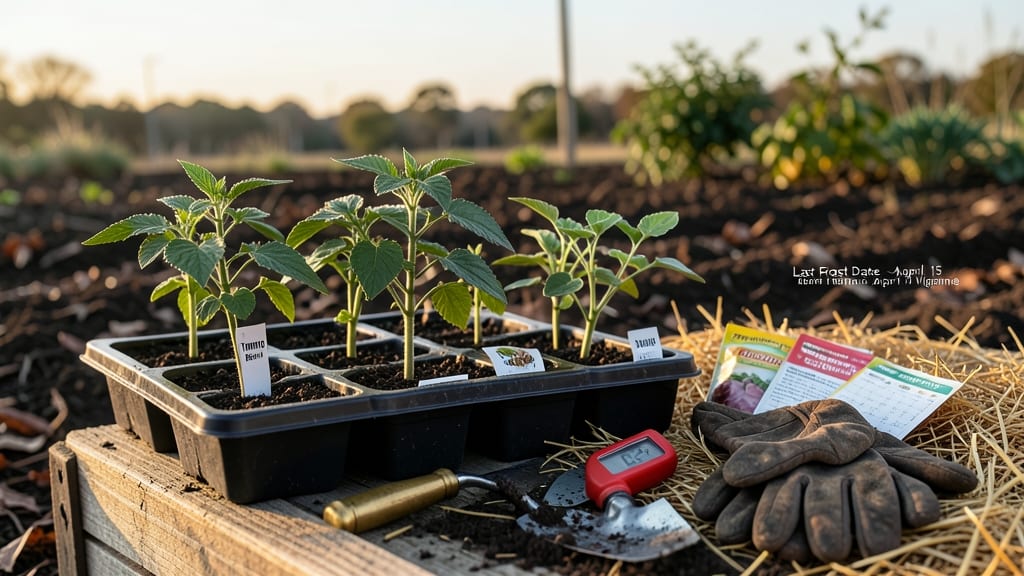
When to plant a garden in Virginia isn’t just about luck—it’s the difference between a thriving harvest and wasted effort. Whether you're planting leafy greens in the spring or tomatoes in the fall, getting the frost dates right for your specific region ensures your 🌱 General Garden Vegetables (Spring/Fall) grow strong and produce abundantly.
From the coastal plains to the mountain valleys, Virginia's climate varies dramatically, and each zone has its own ideal planting window. Miss the mark, and you might face stunted growth, pest invasions, or even lost crops.
But with the right knowledge, you can align your planting schedule with nature's rhythm and enjoy a bountiful garden.
I'll walk you through the exact frost-free dates for Virginia's five climate zones, so you know when to start seeds indoors, transplant seedlings, and sow directly into the soil. You'll also discover how to adjust for microclimates, soil conditions, and even urban gardening challenges—because every garden is unique.
Ready to maximize your yield and avoid common mistakes? Let's dive into the perfect planting times for your Virginia garden, tailored to your specific location and the crops you love most.
Virginia’s frost-free dates by region: when to plant cool vs warm-season crops
Virginia’s climate varies dramatically from the Coastal Plain to the Blue Ridge Mountains, meaning frost dates shift by weeks between regions.
In Tidewater, for example, you can plant warm-season crops like tomatoes as early as March 15th, while gardeners in the Valley often wait until April 30th to avoid late frosts. Understanding these frost-free windows is key to avoiding stunted plants or wasted seeds.
Cool-season crops like lettuce and peas thrive in Virginia’s spring and fall, but timing depends on your USDA Zone. The Piedmont (Zone 7a) typically sees its last frost around April 15th, while the Coastal Plain (Zone 8a) can start planting 2 weeks earlier.
Warm-season crops like peppers and squash need to wait until soil temperatures hit 60°F+, which usually happens in May for most regions.
Missed the spring window? Don’t worry—Virginia’s fall season often allows for a second planting of cool-season crops. The first frost in the Valley might arrive by October 15th, while the Tidewater can extend the season until November 1st. This flexibility makes Virginia one of the best states for year-round gardening with the right planning.
For Tidewater gardeners, the earliest cool-season crops like spinach and kale can go in as early as February, while warm-season crops such as tomatoes and peppers should wait until April 1st to avoid frost damage.
In contrast, Blue Ridge gardeners often delay planting tomatoes until May 15th due to later frosts and cooler nights.
One of my favorite warm-season crops is okra, which thrives in Virginia’s heat but needs to be planted after the last frost.
In the Valley, that’s usually May 1st, while in the Piedmont, I wait until May 15th to give the soil time to warm up. Okra also benefits from mulching to retain moisture during our hot summers.
If you’re growing peppers, which are sensitive to cold, the Coastal Plain offers a head start. You can plant bell peppers
How to adjust planting times for Virginia’s microclimates and soil conditions
Virginia’s varied landscapes—from coastal plains to mountain valleys—create unique microclimates that can shift planting windows by weeks. If you’re in a high-altitude area like Roanoke, frost lingers longer than in Richmond, while urban gardens in Norfolk may experience heat islands that push back summer planting.
These differences mean standard frost dates won’t cut it for everyone.
Soil type adds another layer of complexity. Heavy clay soils in Piedmont hold moisture but can suffocate roots if not amended, while sandy soils in Tidewater drain too quickly.
Even urban gardens with limited space require adjustments—like vertical planting—to fit within microclimate constraints. The key? Localized adjustments based on your specific conditions.
5 Ways to Adjust Planting Times in Virginia
- Use row covers to extend spring by 2-4 weeks for frost-sensitive crops like tomatoes and peppers.
- Plant cool-season crops (e.g., kale, spinach) 4-6 weeks before your area’s last frost date in high-altitude zones.
- For heavy clay soils, amend with compost and sand to improve drainage before planting root vegetables like carrots.
- In urban microclimates, opt for container gardening to control soil temperature and moisture.
- Adjust fall planting by 10-14 days earlier in coastal areas where humidity delays harvests.
Start by testing your soil’s drainage and pH. Virginia’s clay-heavy soils often need lime to raise pH for vegetables like blueberries or azaleas, while sandy soils benefit from organic matter like leaf mold.
A simple soil test (available through local extension offices) will reveal what amendments you need before planting.
For urban gardeners, consider season-extending tools like cold frames or hoop houses. These can push back the first frost by 4-6 weeks, letting you grow warm-season crops like cucumbers or eggplants well into October. Just ensure proper ventilation to avoid fungal diseases from trapped humidity.
If you’re in a mountainous region, like the Blue Ridge, plant cool-season crops as soon as soil is workable (around March 15) and use black plastic mulch to warm the soil faster for tomatoes and peppers.
In contrast, coastal areas may need to delay planting until April 1 to avoid salt spray damage from storms.
Before you plant, create a soil prep checklist: test pH, add organic matter, and loosen compacted soil. For heavy clay, mix in composted manure or peat moss; for sandy soil, incorporate aged compost and mulch.
These steps ensure your plants thrive regardless of Virginia’s microclimate quirks.