
Planting
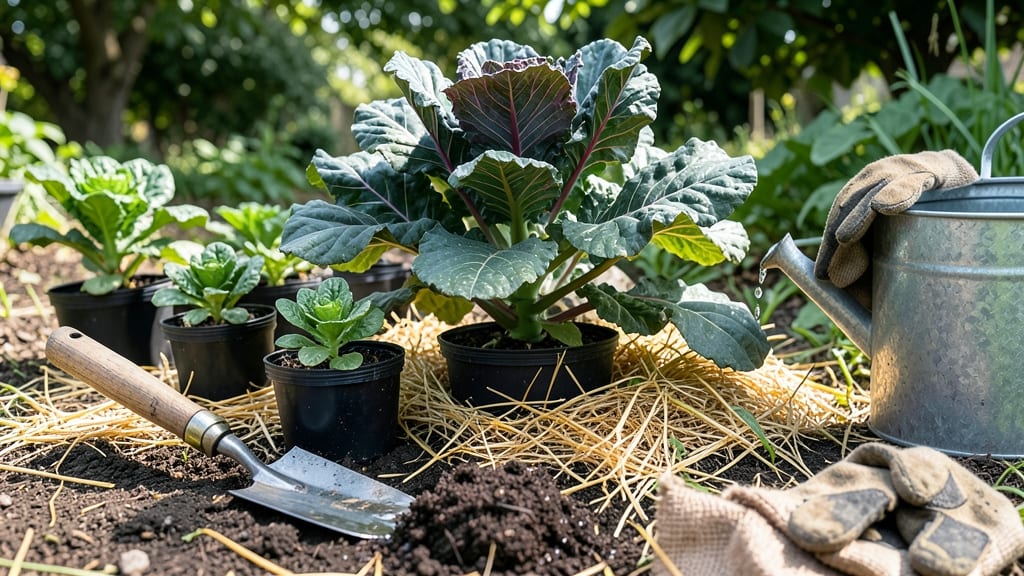
Planting a fall garden in Houston, Texas isn't just possible—it's your ticket to a thriving harvest when summer's heat finally fades. With the right timing, you can beat the first frost and enjoy fresh 🥬 greens straight from your backyard well into December.
Houston's unique 9a climate means you've got a narrow but critical window—mid-August to mid-September—to get your seeds in the ground. Miss this mark, and you risk stunted growth or early frost damage.
But get it right, and you'll be rewarded with crisp vegetables long after most gardens have called it quits.
I've spent years perfecting my fall planting schedule here, and the secret isn't complicated: it's all about working with Houston's unpredictable weather patterns.
Whether you're a seasoned gardener or just starting out, knowing exactly when to plant each crop can mean the difference between a meager harvest and a bounty that lasts through the holidays.
Ready to transform your garden into a fall oasis? I'll walk you through the exact planting timeline, the best crops for Houston's climate, and how to adjust for those pesky late-season heat spikes. Let's make this your most productive growing season yet.
Houston’s fall planting timeline: exact weeks before first frost by crop type
Houston’s fall garden success hinges on timing—especially since your average first frost arrives between November 15–December 15. Unlike northern climates, Houston’s USDA Zone 9a allows for extended growing seasons, but heat-tolerant and cool-season crops require precise transplant windows.
Plant too early, and you’ll battle late-season heat stress; too late, and frost will cut your harvest short.
To maximize yields, I’ve broken down planting windows by crop type, including heat-loving vegetables (like okra and sweet potatoes) that thrive in Houston’s summer heat but can handle early fall, and cool-season crops (such as kale and carrots) that need to establish roots before temperatures drop.
Pro tip: Use soil thermometers to confirm 50°F soil temps—the ideal trigger for cool-season transplants.
⚠️ CRITICAL NOTE: Houston’s microclimates (urban heat islands, shaded spots) can shift frost dates by 1–2 weeks. Monitor local forecasts and adjust your schedule accordingly.
For heat-tolerant crops, like okra and sweet potatoes, aim to transplant 8–10 weeks before frost (mid-September to early October). These plants can handle Houston’s lingering summer heat but
How to adjust your planting schedule for Houston’s unpredictable weather patterns
Houston’s fall planting schedule isn’t as straightforward as other regions because of its humidity spikes and late-season heat waves. Even after summer’s peak, temperatures can linger in the 90s°F into October, delaying the true start of cool weather.
This means your planting window might shift by 2-3 weeks compared to traditional guides.
To succeed, I recommend checking soil temperatures—they should consistently stay below 80°F for 7-10 days before planting cool-season crops. Use a soil thermometer (available for under $15) to avoid guessing.
In my experience, mid-August to early September is the safest range, but I’ve adjusted my schedule as late as September 15 for heat-tolerant varieties like collards or swiss chard.
Houston’s average first frost date is December 1, but it can arrive as early as November 15 or as late as January 15. To mitigate risk, I plant succession crops every 2 weeks starting in late August. For example, I’ll sow radishes (ready in 30 days) alongside kale (ready in 60 days) to ensure a continuous harvest before frost.
Pro Tip: Monitor the National Weather Service Houston frost predictions weekly. If a hard freeze (28°F) is forecast, cover tender plants with row fabric or old bedsheets.
Don’t overlook microclimates in Houston—your yard’s specific conditions can vary drastically. For instance, areas near hardwood trees stay cooler by 5-10°F than open spaces, while south-facing beds retain heat longer. I’ve tested this by planting lettuce in both locations: the shaded bed produced 20% more heads before frost.
Use this to your advantage by prioritizing heat-sensitive crops (like spinach) in cooler microclimates.
For backup planting dates, I recommend having a second planting plan ready. If summer heat persists, shift to heat-tolerant varieties like Malabar spinach or Okinawan sweet potatoes, which can handle 90°F+ soil temps.
Alternatively, start slow-growing crops (e.g., broccoli) indoors under grow lights 6-8 weeks before your target transplant date to ensure they’re ready for cooler conditions.
Another key strategy is mulching—apply 2-3 inches of straw or shredded leaves after planting to stabilize soil temperatures. This helps retain moisture during Houston’s unpredictable rain patterns (which can range from drought-like dry spells to tropical downpours in a single week).
I’ve seen mulched beds stay 5°F cooler on hot days and 3°F warmer on chilly nights, extending the growing season by 10-14 days.
Finally, keep a planting journal to track your Houston-specific adjustments. Note which crops thrive in your yard’s conditions, when you planted them, and how long they lasted before frost.
Over time, you’ll refine your schedule to match your unique microclimate—just like I’ve done with my third-year fall garden, where I now harvest collard greens until mid-December thanks to these tweaks. 🌱