
Flowers
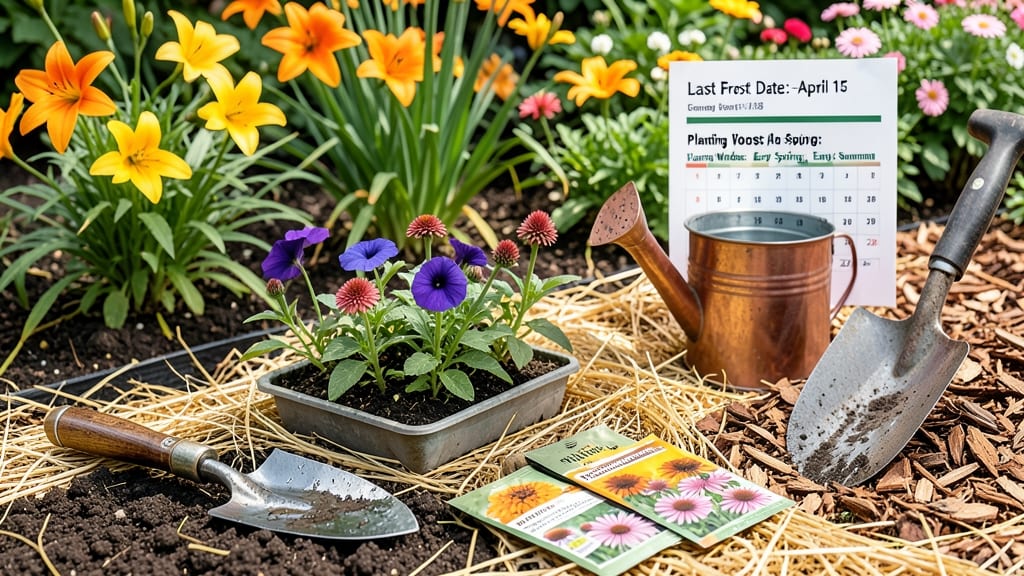
Planting flowers in Ohio at the wrong time can mean the difference between a vibrant garden and a frost-killed disappointment. With last frost dates shifting as early as mid-April in some zones and as late as May in others, timing is everything for your 🌸 blooms to thrive.
You don’t need to guess when to plant—Ohio’s Zone 6a climate gives you a 4-6 week window before the last frost, but missing that mark can leave your garden struggling.
Whether you’re planting cold-hardy perennials in early spring or heat-sensitive annuals in late spring, knowing the exact deadlines saves you time and money.
I’ll break down the best months for every type of flower in Ohio, from bulbs that love the chill to tender annuals that need to wait. Plus, I’ll share pro tips to extend your planting season without risking frost damage—so you can enjoy blooms from spring to fall.
Ready to transform your Ohio garden into a year-round paradise? Let’s get started with the perfect planting schedule for your zone.
Ohio flower planting calendar by Zone: frost dates and best months
Ohio’s five USDA plant hardiness zones (5a–6b) create distinct planting windows for flowers, where frost dates dictate success. In Zone 5a (northwest Ohio), the last spring frost typically arrives April 20–May 5, while Zone 6b (southwest Ohio) sees frost-free soil by April 5–15.
These dates separate cold-hardy perennials from frost-sensitive annuals, and missing them can mean lost blooms.
Spring planting in Ohio starts 4–6 weeks before your last frost date, but bulbs like tulips and daffodils can go in as early as October for winter blooms.
Fall planting for perennials (like coneflowers and black-eyed Susans) thrives when soil temps drop below 70°F, usually by mid-September in most zones. Let’s break down your exact zone’s timeline.
📅 Key Rule: Annuals (e.g., marigolds, petunias) need warm soil—wait until after your last frost. Perennials (e.g., daylilies, hostas) can handle cooler spring soil and even fall planting. Bulbs? Plant them 6–8 weeks before ground freezes.
In Zone 5a, where frosts linger late, prioritize early spring bulbs (like crocuses) and hardy perennials (e.g., Russian sage). Wait until mid-April for tender annuals—planting too soon risks frost damage.
For Zone 6b, you can start pansies and violas as early as March, but cover them with frost cloth if nights dip below 32°F.
Fall planting in Ohio works best for perennials and spring-blooming bulbs.
Aim to get tulip and daffodil bulbs in the ground by October 15—soil should be 40–50°F and roots can establish before winter. Perennials like asters thrive when planted in September, giving them time to root before first frost (usually October 15–November 1).
Pro Tip: Use row covers or cold frames to extend your spring planting window by 2–3 weeks. For example, in Zone 5a, you can plant cool-season annuals (like snap peas and lettuce) under cover as early as
Top 10 flowers to plant in Ohio by season: what thrives when
Ohio’s diverse climate—from Zone 5a in the north to Zone 6b in the south—means you can grow stunning flowers year-round if you time it right. Native wildflowers and drought-tolerant perennials thrive in Ohio’s heat and humidity, while cool-season annuals like pansies brighten up early springs.
The key? Planting at the right time to avoid late frosts and maximize bloom seasons.
Spring is the busiest season for planting, but fall offers a second chance for perennials and bulbs. Summer lovers like black-eyed Susans and coneflowers need early starts, while shade-tolerant varieties like foxgloves and bleeding hearts can handle Ohio’s partial shade gardens.
Below, I’ve curated Ohio’s top 10 flowers by season, including pollinator favorites and low-maintenance options for busy gardeners.
🌱 Ohio Flower Planting Timeline by Season
- 🌸 Spring (March–May): Plant cool-season annuals (pansies, snapdragons) 4–6 weeks before last frost (mid-April in most of Ohio). Perennials like peony and iris go in early spring or fall.
- ☀️ Summer (June–August): Focus on heat-loving annuals (marigolds, zinnias) after Memorial Day. Succession plant every 2 weeks for continuous blooms.
- 🍂 Fall (September–October): Plant spring-blooming bulbs (daffodils, tulips) by mid-October. Mums and aster thrive in fall’s cooler temps.
- ❄️ Winter (November–February): No planting outdoors! Start seedlings indoors (e.g., petunias) in late winter for early spring transplants.
💡 Pro Tip: Use row covers to extend spring/fall planting by 2–3 weeks in Zone 5a.
For spring blooms, start with native Ohio wildflowers like columbine and trillium. These perennials return yearly with minimal care and attract hummingbirds and butterflies.
Plant them in well-draining soil with partial shade to mimic their natural woodland habitats. Daffodils and crocuses are frost-hardy and bloom early, often pushing through snow for cheerful color in March.
Summer gardens in Ohio shine with drought-tolerant stars like black-eyed Susans (Rudbeckia) and coneflowers (Echinacea). These perennials thrive in full sun and poor soil, making them perfect for low-maintenance beds.
Pair them with annuals like zinnias for continuous blooms from June to frost. Lantana and salvia add pollinator power with their nectar-rich flowers.
Fall planting isn’t just for bulbs—mums and asters love Ohio’s crisp air. Chrysanthemums bloom in shades of pink, purple, and gold, while Japanese anemones add late-season drama with their delicate, pink flowers.
Plant these perennials in well-amended soil by mid-September to give roots time to establish before winter. Shade gardens can feature foxgloves and heuchera, which thrive in dappled sunlight.
Don’t overlook Ohio’s native pollinators! Flowers like bee balm (Monarda) and purple coneflower are butterfly magnets and drought-resistant.
Plant them in sunny borders or wildflower meadows to support local ecosystems. Milkweed is a must for monarch butterflies, and its tall spikes add vertical interest to summer gardens.
To keep your Ohio garden thriving, mulch around perennials in fall to protect roots from freeze-thaw cycles. Water deeply but infrequently to encourage deep root growth, and deadhead spent blooms to extend flowering seasons.
With the right timing and these top 10 Ohio flowers, your garden will burst with color—and pollinators—all year round! 🌻