
Companion Plants
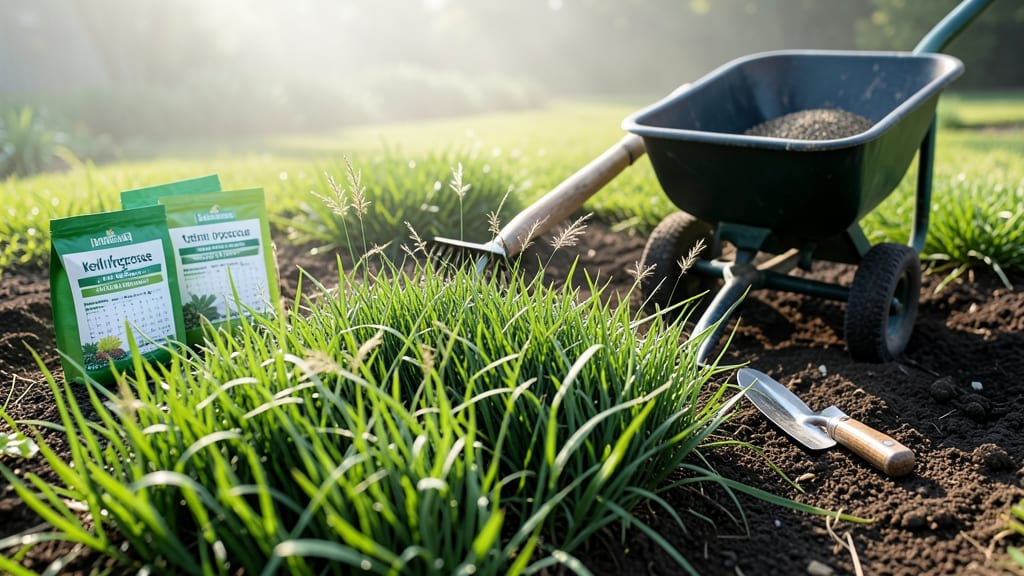
Planting grass seed in Michigan at the wrong time could leave you staring at a patchy lawn all summer—unless you know the perfect windows for fast, reliable growth.
The key isn’t just picking a month; it’s reading your region’s soil temperatures, frost dates, and even the hidden risks of late spring showers or early fall humidity.
I’ve seen firsthand how a well-timed planting in early spring or early fall transforms bare spots into thick, vibrant grass by summer. But here’s the catch: Michigan’s USDA zones 5-6 have subtle differences—Detroit’s warmer pockets vs. the Upper Peninsula’s cooler climate—that can make or break your lawn’s success.
In this guide, I’ll break down the exact months to plant based on your location, plus the soil prep tricks that cut germination time in half. No more guessing—just a step-by-step plan to get your 🌱 grass seed off to the fastest start possible.
Ready to skip the trial-and-error? Let’s dive into the best planting calendar for Michigan’s tricky climate—so you can enjoy that lush lawn without the wait.
Michigan grass seed planting calendar: best months by region for fast germination
Michigan’s diverse climate means grass seed germination success depends heavily on your specific region. The Upper Peninsula, Northern Lower Peninsula, and Southern Michigan each have unique frost dates and soil warming patterns.
Planting at the wrong time can lead to slow germination, weed competition, or even seed loss from extreme temperatures. Let’s break down the optimal planting windows for each region, including soil temperature thresholds that ensure fast, even growth.
For all Michigan regions, the ideal soil temperature for grass seed germination is between 50°F and 65°F. Below 50°F, seeds may rot or fail to sprout, while above 75°F, they can dry out before establishing roots.
Using a soil thermometer is the best way to confirm readiness—especially in spring when days warm quickly but nights remain chilly. In fall, cooler air temperatures often align better with soil temps, reducing stress on young seedlings.
Here’s how the three main Michigan regions differ in their planting windows, including key frost dates and microclimate considerations:
In the Upper Peninsula, spring planting is riskier due to late frosts, so many gardeners opt for early September instead. The cooler temperatures and higher humidity create ideal conditions for seed germination without the stress of summer heat.
If you choose spring, wait until soil temperatures consistently stay above 50°F—typically late May—to avoid frost damage to tender seedlings.
For the Northern Lower Peninsula, like Traverse City, both spring and fall windows work well, but timing is critical. Planting in mid-April gives seeds time to establish before summer drought sets in, while late August allows roots to strengthen before winter.
This region’s lake-effect microclimates can create localized variations, so check your specific area’s frost dates using the Michigan State University Extension’s frost calendar.
Southern Michigan, including cities like Detroit and Ann Arbor, offers the most flexibility due to its warmer climate. You can start as early as early April if soil temperatures are ideal, but avoid planting before the last frost date to prevent seed loss.
The fall window extends later here—up to early October—because cooler nights help seeds germinate without drying out. This region also benefits from overseeding in late summer (August) to fill in thin spots before winter.
Regardless of your region, always test soil moisture before planting. Grass seeds need consistent moisture to germinate, so water lightly every day until sprouts appear (about 7–14 days). Use a sprinkler with fine mist to avoid washing seeds away, and aim for 1 inch of water per week.
Mulching with straw after planting helps retain moisture and protects seeds from drying winds—a common issue in Michigan’s unpredictable spring weather.
Pro tip: If you’re unsure about your local frost dates, use the USDA Plant Hardiness Zone Map to find your specific zone (Michigan ranges from Zone 4b in the UP to Zone 6b in southern regions).
Adjust your planting window accordingly—earlier zones need later starts, while later zones can plant sooner. For example, Zone 6b areas like Detroit can plant as early as late March if soil temps are right, while Zone 4b areas in the UP should wait until late May.
Finally, consider your grass seed variety
How to prepare your Michigan lawn for grass seed planting success
Before you even think about scattering grass seed across your Michigan lawn, proper preparation is key to ensuring fast germination and a thick, healthy turf.
Michigan’s USDA zones 5-6 mean we deal with unpredictable spring frosts and heavy summer humidity—both of which can sabotage your efforts if you skip these critical steps. The secret lies in creating the perfect seedbed, which starts with soil testing and ends with gentle, even coverage.
Start by testing your soil pH—most cool-season grasses like Kentucky bluegrass and tall fescue thrive in a pH range of 6.0 to 7.0. If your soil is too acidic (below 6.0), add lime 4-6 weeks before planting.
For alkaline soil (above 7.0), work in sulfur or peat moss to lower the pH. Michigan’s clay-heavy soils often need organic matter like compost to improve drainage and aeration, so don’t skip this step!
📋 Michigan Grass Seed Prep Checklist
- ☑️ Test soil pH (aim for 6.0-7.0)
- ☑️ Adjust pH with lime (low pH) or sulfur (high pH)
- ☑️ Remove weeds with herbicide (non-residual) or manual pulling
- ☑️ Aerate compacted soil (especially in clay-heavy areas)
- ☑️ Loosen top 2-3 inches of soil with a rake or tiller
- ☑️ Spread starter fertilizer (high in phosphorus)
- ☑️ Level uneven areas with sand or topsoil
⚠️ Pro Tip: Water the lawn 24 hours before planting to help seeds make contact with moist soil.
Weed control is another non-negotiable step. Use a non-residual herbicide (like glyphosate) 2-3 weeks before planting to kill existing weeds without harming your new grass. For organic options, hand-pull weeds or smother them with cardboard mulch for 4-6 weeks prior.
Michigan’s summer weeds like crabgrass can outcompete grass seed, so don’t let them take root before your seeds sprout!
Once your soil is prepped, it’s time to aerate and loosen the top layer. Rent a core aerator to pull small plugs from the soil, which helps oxygen, water, and roots penetrate deeper.
For clay soils common in southern Michigan, consider renting a rototiller to break up compacted layers before seeding. After aerating, use a bow rake to create a fine, crumbly texture—this ensures seeds make direct contact with soil and moisture.
Leveling the ground is often overlooked but critical for even grass seed distribution. Fill low spots with a mix of topsoil and sand (50/50 ratio), and rake down high areas. Michigan’s sloped lawns (common in the UP) may need terraced planting to prevent erosion.
After leveling, spread a starter fertilizer with a high phosphorus content (like 5-10-10) to encourage root development. Lightly rake the fertilizer into the top ¼ inch of soil for best results.
Finally, watering strategy makes or breaks grass seed success. Keep the soil consistently moist (not soggy) for the first 2-3 weeks after planting. In Michigan’s dry springs, this may mean watering twice daily—early morning and late afternoon—to prevent seeds from drying out.
Use a light mist setting on your sprinkler to avoid displacing seeds. Once seedlings reach 2-3 inches tall, gradually reduce watering to 1 inch per week.
With these steps, your Michigan lawn will be ready for optimal grass seed germination, whether you’re planting in early spring or early fall. The key is patience—rushing the prep work leads to thin, weak grass that struggles to compete with weeds.
Take your time, and you’ll be rewarded with a lush, green lawn by summer! 🌱