
Plants
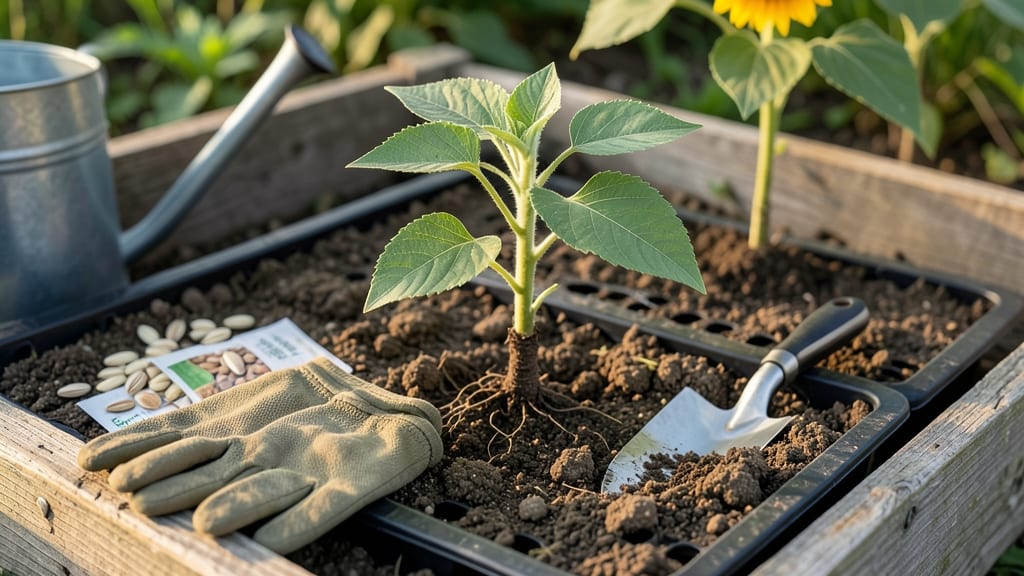
Planting sunflower seeds in Florida isn’t just about dropping them in the dirt—it’s about timing them right to beat the heat and storms that can stall growth.
With fast germination in just 3-14 days, these towering beauties need the perfect window to thrive, especially when Florida’s summer storms or winter chills threaten to throw off your plans.
If you’ve ever watched a sunflower 🌻 bolt straight up in record time, only to wilt under midday heat, you know the stakes. The key is planting when soil temperatures hit that sweet spot—50°F or warmer—and avoiding the brutal summer months when even Florida’s hardy varieties struggle.
I’ll show you the exact weeks to plant, whether you’re in frost-free Miami or the slightly cooler North Florida zones.
Whether you’re growing sunflowers for their stunning blooms, edible seeds, or just the joy of watching them grow, getting the timing right means fewer setbacks and more rewards. Let’s dive into the best planting schedule for your Florida garden, so you can enjoy those fast-growing sunflowers from spring through fall.
From soil prep to watering tricks, I’ll cover everything you need to know to maximize your sunflower’s potential—no matter which part of the state you’re in. Ready to grow those towering sunflowers without the guesswork?
Best Florida heat zones & exact weeks to plant sunflower seeds for fast germination
Florida’s heat zones 8A-10A create unique planting windows for sunflowers. Unlike northern states, Florida gardeners can grow sunflowers year-round—but timing still matters to avoid heat stress or slow germination.
The key? Plant when soil temperatures stay between 50°F and 85°F, which triggers faster sprouting (as little as 3-7 days for some varieties).
In northern Florida (zones 8A-8B), where cooler winters occur, aim for late February to early April for spring planting. Southern Florida (zones 9A-10A) enjoys longer growing seasons, allowing two ideal windows: late winter (January-February) and early fall (August-September).
Avoid planting during peak summer heat (June-August), when soil temperatures often exceed 90°F, causing seeds to rot before sprouting.
Here’s the exact planting schedule by zone, including soil temperature thresholds and germination speed factors:
For fastest germination, focus on soil temperature, not just air temperature. Use a soil thermometer to confirm readings—sunflowers sprout best when soil is at least 55°F. In northern zones (8A-8B), wait until after the last frost date (typically mid-February), even though Florida rarely sees frost.
In southern zones (9B-10A), you can plant year-round, but summer planting requires extra care.
Pro tip: Direct sow seeds ½ inch deep in loose, well-draining soil. In containers, use fast-draining mixes to prevent rot. Water gently after planting—overwatering can displace seeds. For container gardening, choose dwarf varieties (like 'Teddy Bear') to avoid toppling in storms.
In early fall (August-September), take advantage of cooler temperatures and lower humidity for a second planting. This window works especially well in central and southern Florida, where summer heat can be brutal.
Plant 6-8 weeks before the first expected frost (though frost is rare, hurricane season can disrupt growth).
Watch for soil moisture—sunflowers need consistent water during germination but drought tolerance once established. In high-humidity zones (9B-10A), mulch with straw or pine needles to retain moisture and prevent fungal issues. Avoid over-mulching, which can smother young seedlings.
For container growers, use 5-gallon pots or larger to accommodate deep roots. Place containers in full sun (6+ hours daily) and rotate weekly for even growth. In urban areas, check for
How to adjust planting timing for Florida’s summer heat & storm risks
Florida’s summer heat and sudden storms can turn your sunflower seeds into a risky gamble if planted at the wrong time. The mid-summer months (June-August) are particularly dangerous, with soil temperatures often exceeding 90°F, which can kill seeds before they sprout.
Even if they germinate, young sunflowers struggle with heat stress and wind damage from tropical storms.
Instead of rushing to plant during peak summer, I’ve found that late summer or early fall (August-September) offers a safer window. The soil stays warm enough for quick germination, but the afternoon heat is less intense by late August.
This timing also avoids the worst of hurricane season, which peaks in September-October.
For gardeners in North Florida (Zones 8A-9A), even July planting can work if you use shade cloth and mulch. But in South Florida (Zones 10A-11), where heat persists year-round, I recommend waiting until September to avoid overwhelming the plants during their most vulnerable growth stages.
Planting sunflower seeds in June-July exposes them to:
- ⚡ Heat shock: Soil temps above 85°F can prevent germination
- 🌪️ Storm damage: Young stems snap in 40+ mph winds
- 🍃 Fungal risks: Humidity + heat = powdery mildew outbreaks
Solution: Use shade cloth (30-50%) and mulch to protect seedlings during summer attempts.
To protect your sunflowers from Florida’s summer extremes, I always use 30-50% shade cloth during the hottest afternoon hours. This reduces soil temperature by 10-15°F and prevents seed desiccation. For established plants, mulching with 2-3 inches of straw keeps roots cool and retains moisture during dry spells.
Another trick I’ve had success with is staggered planting. Instead of sowing all seeds at once, I plant half in August and half in September. This ensures a continuous harvest window and reduces the risk of losing an entire crop to a single storm event.
The September-planted seeds also benefit from Florida’s cooler, drier fall weather.
For container gardeners, timing adjustments are even more critical. Small pots dry out 3x faster in summer heat, so I recommend planting indoors under grow lights in late July and transplanting outdoors in early September. This gives seedlings a head start while avoiding the worst outdoor conditions.
Remember, sunflowers are resilient—but even they have limits. By avoiding peak summer planting and using these protective strategies, you’ll give your sunflowers the best chance to thrive in Florida’s challenging climate.
With the right timing, you could enjoy blooms from September through December, just in time for fall festivals and bird feeders! 🌻