
Trees
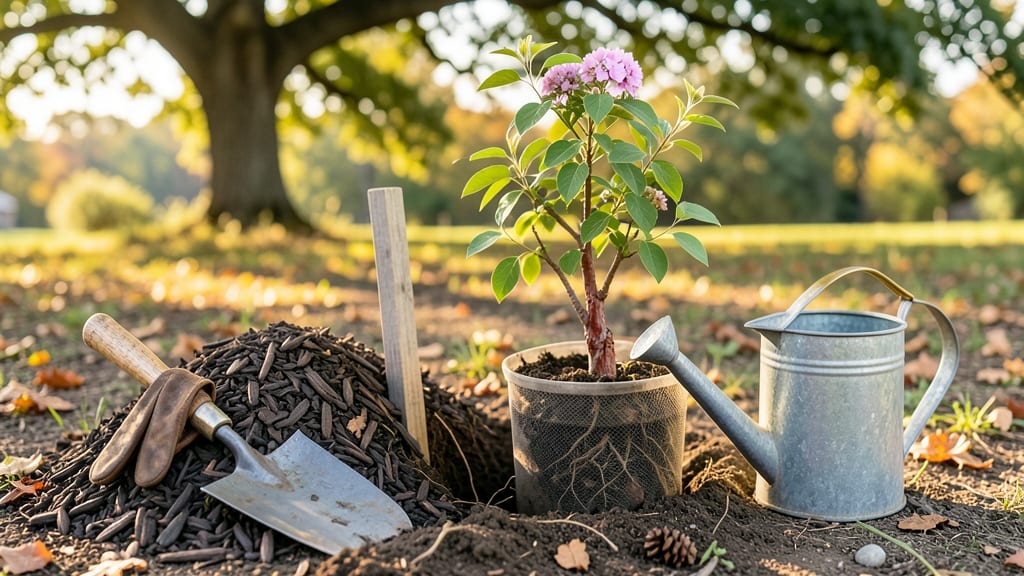
When is the best time to plant trees in Oklahoma? Getting your 🌳 in the ground at the wrong moment could mean watching it battle through brutal summers or icy winters instead of thriving. The key to deep roots and faster growth lies in timing it right—when the soil is warm enough for roots to spread but cool enough to prevent stress.
Most gardeners know spring and fall are ideal, but did you know Oklahoma’s 6b-7a climate zones actually narrow it down further? Planting in early spring (March-April) or late fall (October-November) gives your tree the best shot at establishing itself before extreme weather hits.
I’ll show you exactly how to time it right for your specific tree type.
Why does this matter? Because a tree planted in the wrong season might take years to recover—or worse, never make it. You’ll learn how to check soil warmth, read rainfall forecasts, and even pick the best species for Oklahoma’s unpredictable weather.
Let’s get your 🌳 off to the strongest start possible.
From avoiding planting during droughts to choosing the perfect window for bare-root vs. container-grown trees, I’ve got the insider tips that’ll save you time and frustration. Ready to plant with confidence? Let’s dive in.
Oklahoma’s ideal planting windows by tree type: soil temperature & rainfall rules
Oklahoma’s USDA Zones 6b-7a create a unique challenge for tree planting—too early, and roots freeze; too late, and summer drought stifles growth. The perfect window depends on soil warmth (60°F+ at 6" depth) and rainfall patterns that keep young roots hydrated.
Fall and early spring emerge as winners, but tree types like fruit trees vs. hardwoods have different rules.
Most gardeners focus on frost dates, but soil temperature is the real game-changer. In Oklahoma, bare-root trees (like Eastern Redbud) need soil above 50°F to wake from dormancy, while container-grown trees can handle slightly cooler soils.
The fall window (October-November) works because cooler air temperatures pair with warmer soil—ideal for root establishment before winter.
Spring planting (March-April) is riskier due to unpredictable rainfall. Oklahoma’s average 3-4 inches of rain per month in late spring can dry up fast with 90°F+ temperatures, stressing newly planted trees. That’s why mulching (3-4 inches of organic material) becomes your best friend during these windows.
Here’s how soil warmth and rainfall dictate the best planting months for Oklahoma’s most popular tree types:
| Tree Type | Ideal Planting Window | Soil Temp Requirement | Rainfall Needs | Oklahoma Microclimate Notes |
|---|---|---|---|---|
| Deciduous Hardwoods (Oak, Maple, Hickory) | Late October - Early November | 55-65°F (6" depth) | 1-2 inches/month | Northern OK: Plant before first frost (Nov 15). Southern OK: Extend to mid-November. |
| Fruit Trees (Peach, Pear, Apple) | Late March - Early April | 60°F+ (6" depth) | 2+ inches/month | Avoid planting after last frost (March 15). Use drip irrigation if rainfall drops below 1 inch. |
| Evergreens (Pine, Spruce, Arborvitae) | September - Early October | 50-60°F (6" depth) | 1.5 inches/month | Western OK: Plant in September to avoid summer drought. Eastern OK: Early October works. |
| Native Shade Trees (Eastern Redbud, Chinkapin Oak) | October - November OR March | 55°F+ (6" depth) | 1-2 inches/month | Drought-tolerant once established. Fall planting preferred for faster root growth. |
Why does soil temperature matter more than air temperature? Roots need consistent warmth to grow, but cool air slows transpiration (water loss). That’s why fall-planted trees often outperform spring-planted ones—roots establish before summer heat arrives.
For example, a Chinkapin Oak planted in October can grow 3x faster in its first year compared to one planted in April.
Oklahoma’s microclimates add another layer. Western regions (like Climate Zone 7a) experience earlier soil warming in spring, while eastern areas (like Zone 6b) stay cooler longer.
Use a soil thermometer ($10 at garden centers) to check depth—6 inches down is the critical zone. If it’s below 55°F, wait.
Rainfall is the wildcard. Oklahoma averages 30-40 inches annually, but June-August often sees drought conditions. That’s why spring planting requires supplemental watering (10-20 gallons per tree weekly) until roots establish. Fall-planted trees benefit from winter moisture stored in the soil, reducing early stress.
Pro tip: Pair planting with mulching (wood chips or straw) to retain 30% more moisture. In Zone 7a, apply 4 inches of mulch in a 3-foot diameter around the base.
Avoid piling mulch against the trunk—2 inches from bark prevents rot. For container-grown trees, water deeply before planting to reduce transplant shock.
Timing isn’t just about months—it’s about weather patterns. Check the NOAA 7-Day Precipitation Forecast before planting. Aim for 1-2 inches of rain in the 2 weeks after planting. If drought is forecasted, use drip irrigation
How to check soil warmth & rainfall forecasts before planting in Oklahoma
Oklahoma’s unpredictable climate makes timing critical for tree planting success. Soil temperature below 60°F can stunt root growth, while drought conditions stress young trees. Checking these factors before planting ensures your hardwoods, fruit trees, or natives thrive from day one.
Start by testing your soil temperature at least 2-3 inches deep—this is where roots will establish. A soil thermometer (available for $10-$20) gives real-time data, while Oklahoma State University Extension offers free soil testing kits for deeper analysis.
Next, monitor NOAA rainfall forecasts for your county. Aim for 1-2 inches of rain in the 2 weeks after planting to hydrate roots. Use the NOAA Climate Prediction Center website or download their mobile app for localized alerts.
⚠️ WARNING: Planting Pitfalls in Oklahoma ⚠️
- Planting in extreme heat (above 90°F) causes transplant shock in trees.
- Ignoring drought warnings—Oklahoma’s panhandle region often faces severe dry spells.
- Skipping soil prep—amend clay-heavy soils with compost to improve drainage.
🌡️ Pro Tip: Check OSU Extension’s Planting Calendar for county-specific deadlines.
For bare-root trees, plant when soil temps are 50-60°F (early spring or fall). Container-grown trees tolerate slightly warmer soil (60-70°F) but still need moisture. Use a moisture meter to confirm soil hydration—aim for 40-60% moisture at planting depth.
Local Cooperative Extension offices in cities like Norman, Stillwater, or Tulsa host free workshops on microclimate planting. They provide hyperlocal data on frost dates, rainfall trends, and soil types. Call ahead to schedule a soil analysis—some offer same-day results for a small fee.
Combine these tools for foolproof timing: soil thermometer + NOAA forecasts + Extension data. This trio helps you avoid Oklahoma’s worst planting traps—drought, heat stress, and poor root establishment.