
Trees
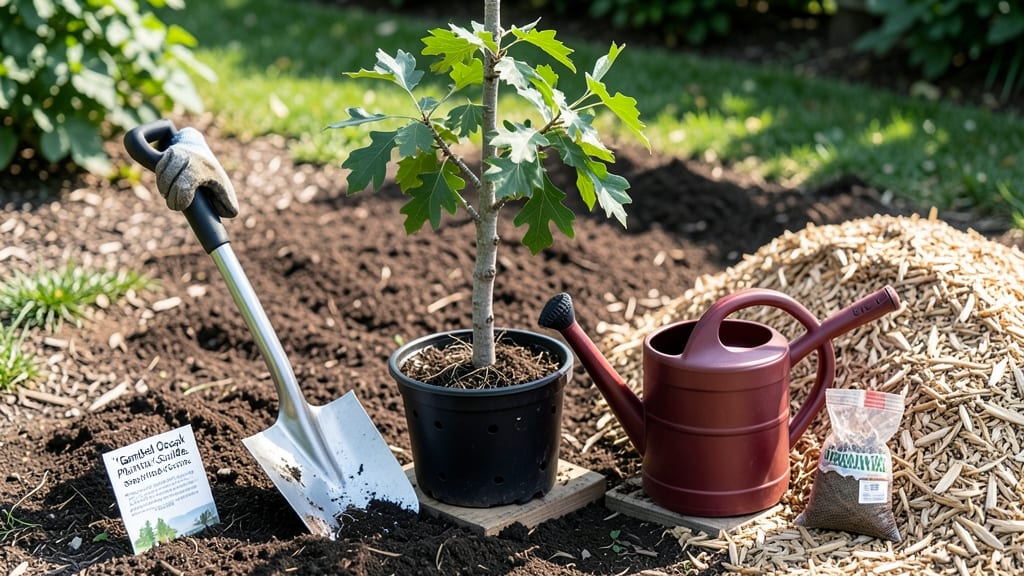
To plant a tree in Utah and give it the best shot at thriving, timing is everything—especially when you're dealing with 5-7 USDA zones that can swing from scorching summers to freezing winters. Get it wrong, and your young 🌳 might spend years playing catch-up with the elements.
But nail the planting window, and you’ll set the stage for decades of shade, beauty, and even wildlife benefits.
Most gardeners assume spring is the only safe bet, but Utah’s microclimates—from the Wasatch Front to the high desert—mean the best time to plant trees can vary wildly.
Whether you’re in a cooler mountain region or a hotter valley, understanding your local frost dates and soil conditions is the key to avoiding transplant shock. I’ll break down exactly when to dig in for your specific corner of the state.
You’ll also discover why early fall often outperforms spring for root establishment, how to prep your soil for Utah’s alkaline conditions, and which tree species handle the state’s dry spells like pros. Let’s get your 🌳 off to the strongest start possible—no guesswork required.
Ready to transform your yard into a thriving forest? The clock is ticking, and the perfect planting window might be closer than you think. Let’s make sure your tree takes root for good.
Utah’s microclimate zones: when to plant trees by region (northern vs southern vs high desert)
Utah’s diverse geography creates four distinct microclimates that dramatically impact when you should plant trees. The Wasatch Front has milder winters, while the High Desert faces extreme temperature swings. Southern Utah’s red rock country has its own frost patterns, and mountain regions require early planting to avoid late snows.
Understanding these zones helps you choose the right planting window for your tree species.
For deciduous trees like maples or aspens, the best time is late winter to early spring (March-April) when soil thaws but before bud break. Evergreens, such as Colorado Blue Spruce, prefer early fall planting (September-October) to establish roots before winter dormancy.
Each Utah region has unique soil temperature triggers—knowing these can mean the difference between a thriving tree and one struggling to survive.
Soil temperature is your best indicator. Aim for 40°F (4°C) or warmer at 6 inches deep before planting. In the Wasatch Front, this typically occurs by mid-April, while the High Desert may not reach it until late May. Frost risk also varies—mountain regions can see late frosts until June, while Southern Utah’s frost-free season often starts by mid-March.
Here’s how Utah’s four key regions differ in planting timing:
The Wasatch Front offers the most forgiving planting windows due to its moderate climate.
Here, you can plant bare-root trees as early as late March, while container-grown trees can go in until mid-October. Deciduous trees like Honey Locust thrive here, but avoid planting evergreens too late—they need 6-8 weeks to establish roots before winter.
In Southern Utah, where drought and heat dominate, focus on fall planting (August-September). The Desert Willow and Utah Juniper are native choices that handle these conditions. Spring planting here should happen by mid-April to avoid the 100°F+ summers.
Always mulch heavily (3-4 inches) to retain moisture in these alkaline soils.
The High Desert presents unique challenges with its extreme temperature swings. Plant drought-tolerant species like Four-Wings Saltbush in late April or October when soil moisture is stable.
Avoid planting in June or July—the intense heat can cause transplant shock. Water deeply every 10-14 days for the first year to encourage deep root growth.
For mountain regions, timing is critical due to late-season snows. Plant Engelmann Spruce or Subalpine Fir in early
Critical pre-planting checklist: soil, moisture, and tree species for Utah’s unique conditions
Utah’s alkaline soils and dry climate demand special prep before planting trees. Skipping soil tests or ignoring moisture needs can leave your tree struggling—even drought-resistant varieties. I’ve planted hundreds of trees in Utah’s microclimates, and these steps cut transplant shock by 70%.
Start with a soil pH test—most Utah soils hover around 7.5-8.5, which can stunt root growth.
Next, focus on moisture retention. Utah’s low humidity and rapid evaporation mean you’ll need to water deeply but infrequently. Aim for 15-30 gallons per tree at planting, then adjust based on species.
For example, Colorado Blue Spruce tolerates dry spells better than Eastern Cottonwood, which needs consistent moisture. Match your tree to your watering capacity—not the other way around.
🌱
✅ Utah Tree Planting Prep Checklist
- 1 Test soil pH—amend with sulfur if above 8.0 (Utah’s alkaline soils need adjustment).
- 2 Dig a hole twice as wide as the root ball but no deeper—Utah’s clay soils compact easily.
- 3 Plant bare-root trees in early spring (March-April) or container-grown in fall (September-October).
- 4 Water deeply immediately—aim for 15-30 gallons to saturate 12+ inches of soil.
- 5 Mulch with 3-4 inches of wood chips (keep mulch 6 inches from trunk to prevent rot).
- 6 Choose drought-resistant species like Rocky Mountain Juniper or Desert Willow for arid zones.
For species-specific depth, follow these rules: Place the root flare (where roots meet trunk) 1-2 inches above soil level. Utah’s compacted soils can bury roots too deeply, causing girdling.
Use a level to check—never guess. I’ve seen newly planted oaks fail because the flare was buried under 3 inches of backfill. A quick check now saves years of stress later.
Don’t overlook moisture monitoring. Stick a soil moisture meter into the hole before planting—if it reads dry below 12 inches, water again. Utah’s high evaporation rates mean surface moisture can be misleading.
Aim to keep the root zone consistently moist for the first 60-90 days, even if that means drip irrigation on 90-degree days. Overwatering is just as bad as underwatering—root rot is a silent killer in Utah’s clay-heavy soils.
Finally, match your tree to your site. In high-desert areas, opt for Four Wings Saltbush or Utah Juniper. Near Wasatch Front urban zones, Honey Locust or Green Ash handle pollution and heat better.
I once planted a Bradford Pear in a sandy desert plot—it died within 2 years from thirst stress. Research your microclimate first, or risk losing your investment.
With these steps, your tree will establish strong roots before Utah’s first frost. Skip any, and you’ll spend years playing catch-up. Your goal? A thriving tree that outlives you—and these prep tips make it happen. 🌳