
Plants
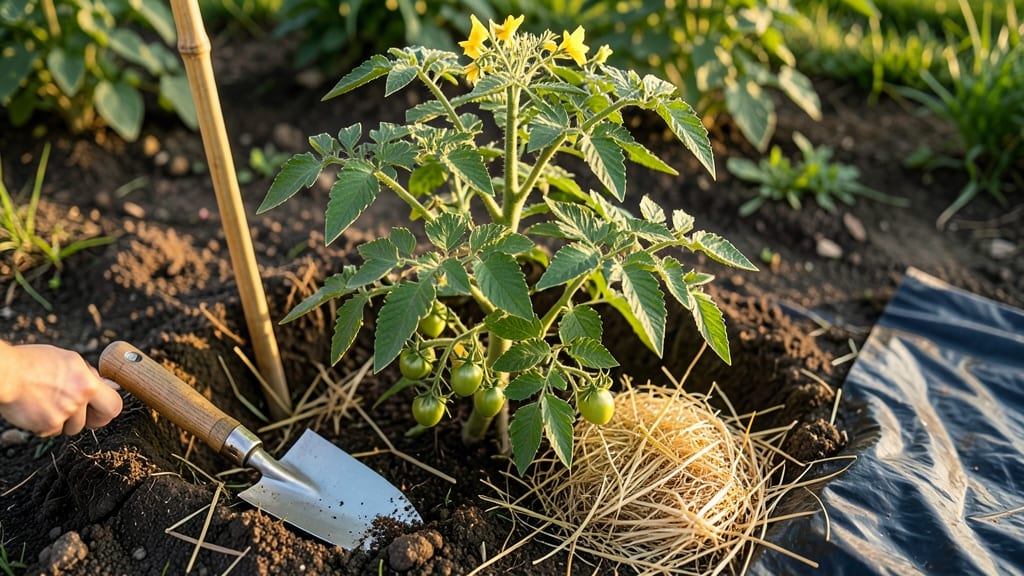
When is the best time to plant tomatoes in Texas?—it’s not just about grabbing a seed packet and sticking it in the ground. It’s about outsmarting the heat zones that can turn your 🍅 dreams into a sad, sun-scorched memory if you're not careful.
With Texas stretching from frost-prone North Texas (where March 15 is your last call for spring planting) to near-tropical South Texas (where you can plant as early as January and harvest until October), timing is everything.
Get it right, and you'll enjoy juicy, vine-ripened tomatoes all season long. Get it wrong, and you might end up with bitter, cracked fruit—or worse, no harvest at all.
I’ve tested the best strategies for every Texas heat zone, from starting seeds indoors to protecting young plants from late frosts and beating the summer heat.
Whether you're in Zone 7b or Zone 11, I’ll show you exactly when to plant for the most productive harvest—and how to extend your growing season for a second crop in fall.
Ready to turn your Texas garden into a tomato powerhouse? Let’s break down the perfect planting windows, heat-resistant varieties, and pro tips to keep your plants thriving from first sprout to last harvest.
Texas heat Zone planting deadlines: exact dates by region for tomato success
Texas stretches across 11 distinct heat zones, each with unique last-frost dates and soil temperature thresholds for planting tomatoes. The Panhandle’s Zone 1 faces harsh freezes, while South Texas’ Zone 11 enjoys year-round growing potential.
To maximize your harvest, align your planting with local frost data and soil warmth—both critical for seedlings to thrive.
According to Texas A&M AgriLife Extension, the average last frost varies from March 15 in North Texas to January 31 in South Texas. However, soil temperature is the true deciding factor: tomatoes need 55°F+ soil to germinate and 60°F+ for healthy growth.
Using black plastic mulch can raise soil temps by 5-10°F, giving you an earlier start in cooler zones.
Miss the spring window? Southern Texans can plant again in late summer (August-September) for a fall harvest before the rare first frost. But in North Texas (Zones 7b-8b), a second planting risks blossom end rot from erratic rainfall and heat stress as temps climb past 95°F.
For North Texas gardeners (Zones 7b-8b), the 45-day rule applies: count back from your average first frost (November 15) to determine your last planting date (September 20).
This ensures tomatoes mature before cold snaps. In Central Texas (Zones 8a-9a), you’ve got a 60-day window—plant by June 15 for a fall harvest.
In South Texas (Zones 9a-11), the real magic happens with late summer plantings (August-September). The Rio Grande Valley can even grow tomatoes in December under shade cloth, but watch for fruit split from erratic rainfall.
Pro tip: Drip irrigation keeps roots consistently moist without wetting leaves, reducing fungal diseases like early blight.
Don’t overlook soil preparation—amend your beds with
How to extend your Texas tomato season: frost protection and heat mitigation hacks
Even with Texas’ long growing season, late frosts in North Texas and scorching summer heat in West Texas can ruin your tomato crop. The key to success? Smart season extension strategies that protect seedlings and keep plants productive.
Whether you're battling March freezes in the Panhandle or 100°F+ temperatures in the Hill Country, these hacks will help you grow tomatoes from early spring to late fall.
From cold frames that raise soil temperatures to shade cloth that prevents blossom drop, I’ve tested these methods in my own garden. The right tools can push your planting window by 4-6 weeks—meaning more harvests and fewer wasted seeds. Let’s dive into the must-know techniques for Texas gardeners.
- Cold Frames: Use clear plastic or glass to trap heat—raises soil temps by 10-15°F, ideal for early spring starts in North Texas. Place over seedlings 2-3 weeks before last frost.
- Row Covers: Lightweight frost blankets protect seedlings from 28°F+ temps. Remove during the day once plants are established to avoid overheating.
- Shade Cloth (30-50%): Blocks intense midday sun in West Texas, preventing blossom drop. Use during peak heat (June-August) and remove in mornings/evenings.
- Black Plastic Mulch: Warms soil 5-10°F faster than bare ground. Lay down 2-3 weeks before planting to jumpstart growth in cooler zones.
- Drip Irrigation + Mulch: Keeps roots consistently moist during heatwaves. Apply 2-3 inches of mulch to retain soil moisture and cool roots.
For North Texas gardeners, cold frames and row covers are game-changers. I’ve used them to start seedlings as early as February 1st—weeks before the official last frost date.
The secret? Combine them with black plastic mulch to create a microclimate that mimics spring conditions. Even if temps dip to 28°F at night, your seedlings stay safe.
In West Texas, where 105°F+ heat triggers blossom drop, shade cloth is non-negotiable. I’ve seen indeterminate varieties like ‘Heatmaster’ produce 50% more fruit when shaded during peak afternoon sun.
Pair it with drip irrigation running in the early morning to avoid wetting foliage—this combo prevents sun scald and fungal diseases.
Don’t overlook soil temperature—it’s the foundation of success. Use a soil thermometer to confirm temps are 60°F+ before planting. In cooler zones, raise beds with compost to warm up faster. I’ve seen 3-4 week earlier harvests by amending beds with aged manure or leaf mold.
Pro tip: Succession planting with season extenders lets you harvest tomatoes from May through November. Start a second batch in late June under shade cloth, then transition to row covers in September to protect against early frosts. It’s how I’ve kept my garden productive year-round—even in Zone 8a.