
Plants
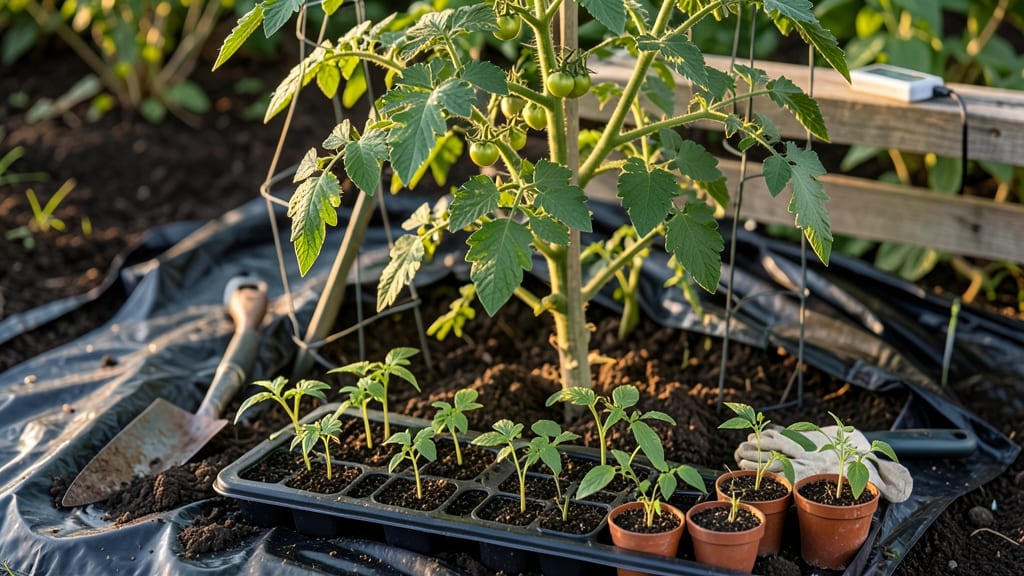
Planting tomatoes at the wrong time in Georgia can turn your 🍅 dreams into a sad, wilted disappointment—especially when blistering summer heat or late frosts strike.
The best time to plant tomatoes in Georgia isn’t just about the calendar; it’s about matching your county’s heat zone to your chosen variety, whether you’re in Atlanta’s 7b or Savannah’s 8a.
Most gardeners in Georgia’s 7b-8b zones know the general rule: wait until after the last frost (around March 15 on average) and when soil hits 60°F. But here’s the catch—planting too early risks frost damage, while waiting too long can mean your tomatoes struggle through peak summer heat.
In this guide, I’ll break down the exact county-specific windows for planting—from seed to transplant—so you can maximize your yield. Whether you’re growing heat-tolerant ‘Celebrity’ varieties or late-season ‘Cherokee Purple’ tomatoes, timing is the key to avoiding common mistakes and getting the best harvest from June to October.
Ready to ditch the guesswork? Let’s dive into the science-backed schedule that’ll have your tomatoes thriving, not wilting.
Georgia’s tomato planting calendar by heat Zone and county
Georgia’s 10 distinct heat zones create a gardener’s paradise for tomatoes—if you know the exact timing. From the coastal humidity of Savannah (Zone 8a) to the mountain chill of Dalton (Zone 6b), each region has its own optimal planting window.
Miss these dates, and you risk frost damage or heat stress, both of which can ruin your harvest before it starts.
Most Georgia gardeners focus on spring planting, but fall tomatoes thrive in cooler months too. The key? Planting when soil temperatures hit 60°F (15°C) and avoiding the peak summer heat (85°F+).
Below, I break down the best planting months for each zone, plus county-specific examples to help you plan like a pro.
| Heat Zone | County Examples | Spring Planting Window | Fall Planting Window | Soil Temp Threshold |
|---|---|---|---|---|
| Zone 6a (North GA) | Dalton, Blairsville | April 15–May 15 | August 1–September 1 | 60°F (15°C) |
| Zone 6b (North GA) | Gainesville, Rome | April 1–May 10 | July 20–August 15 | 60°F (15°C) |
| Zone 7a (Central GA) | Athens, Macon | March 20–April 30 | July 10–August 10 | 60°F (15°C) |
| Zone 7b (Central GA) | Atlanta, Columbus | March 15–April 20 | July 1–August 5 | 60°F (15°C) |
| Zone 8a (South GA) | Savannah, Brunswick | February 15–March 15 | June 15–July 15 | 65°F (18°C) |
| Zone 8b (South GA) | Valdosta, Waycross | February 1–March 10 | June 1–July 10 | 65°F (18°C) |
For Zone 6a/6b gardeners (like Dalton), spring planting starts later to avoid late frost risks. I recommend starting seeds indoors by March 1 and transplanting after April 15. In contrast, Zone 8a/8b (Savannah, Valdosta) can plant as early as February—but watch for humidity-related diseases like early blight.
Fall planting is a game-changer for extending your harvest. In Zone 7b (Atlanta), aim for July 1–August 5 to avoid the 90°F+ summer heat.
Use shade cloth if temps spike above 85°F. Meanwhile, Zone 8a (Savannah) can push fall planting until July 15 thanks to its warmer climate.
Pro tip: Stagger your planting by 2–3 weeks for a continuous harvest. For example, in Zone 7a (Athens)**, plant one batch on <
How to adjust planting time for early vs. late varieties in Georgia’s climate
Georgia’s long growing season and humid subtropical climate let you grow tomatoes almost year-round—but not all varieties thrive in the same heat. Early varieties like ‘Celebrity’ escape summer’s brutal heat, while late-season ‘Cherokee Purple’ needs cooler fall temperatures to ripen.
The key is matching your tomato type to Georgia’s heat zones and adjusting planting windows accordingly.
Determinate tomatoes (like ‘Roma’) produce all fruit at once and handle heat better, while indeterminate varieties (like ‘Better Boy’) grow continuously but struggle when temperatures hit 90°F+. By staggering plantings, you can extend your harvest from June to October—even in Georgia’s hottest months.
For early varieties like ‘Celebrity’, start seeds indoors 8-10 weeks before your last frost date (typically mid-February in Zone 7b). Transplant outdoors after soil warms to 60°F—usually early April in most of Georgia. This gives them time to fruit before summer’s heat sets in.
Mid-season varieties like ‘Better Boy’ need a longer growing season, so plant seeds indoors in late January and transplant in late March. Use shade cloth during peak summer (June-August) to protect them from heat stress. Prune suckers regularly to improve airflow and reduce disease risk.
Late-season varieties like ‘Cherokee Purple’ thrive when planted in late May or early June. These heirloom tomatoes need cooler fall temperatures to ripen, so focus on Zone 7b and below (e.g., Atlanta, Dahlonega). Mulch heavily with straw or black plastic to retain soil moisture and regulate temperature.
Pro tip: Use row covers for early plantings to protect against late frosts (common in Georgia’s Piedmont region). For indeterminate varieties, consider vertical trellising to keep fruit off hot soil and improve yield. Adjust your schedule based on University of Georgia Extension updates for real-time frost and heat alerts.