
Flowers
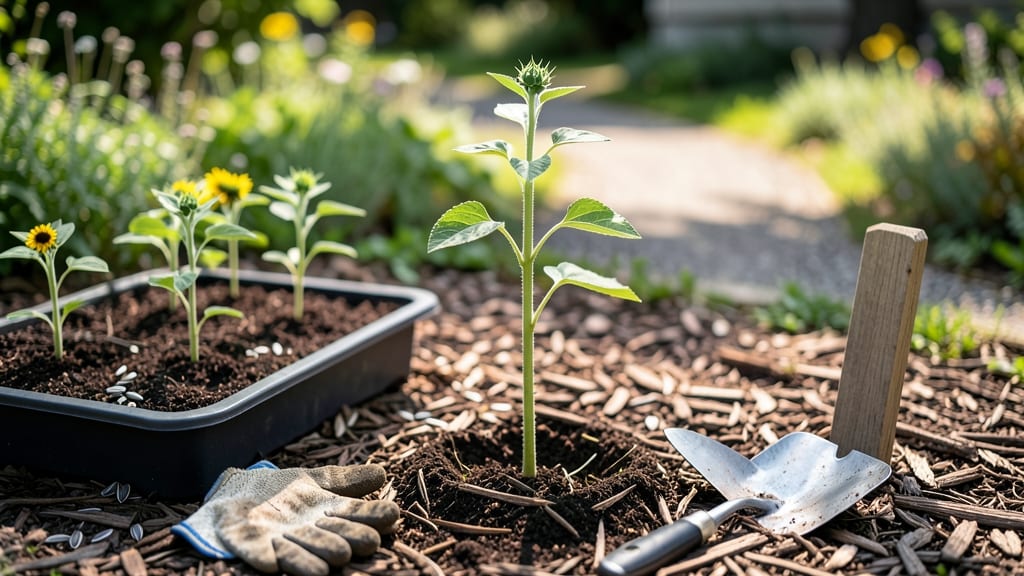
Planting sunflowers in Florida might seem simple, but timing makes all the difference between a towering 🌻 spectacle and a sad, stunted plant. The best time to plant sunflowers in Florida isn’t just about the calendar—it’s about avoiding the brutal summer heat and playing to your region’s unique microclimate.
If you live along Florida’s coast, where humidity lingers and temperatures spike earlier, aim for early spring (February-March) or fall (September-October). Inland areas with drier air can push planting into late spring (April-May), giving seeds a head start before the heat sets in.
Here’s the game-changer: coastal sunflowers need shade protection in peak summer, while inland varieties can handle more sun—but only if planted before June. I’ll break down the exact frost-free dates and soil prep tricks to set your sunflowers up for success, no matter where you garden.
Ready to grow sunflowers that reach their full, radiant potential? Let’s dive into the secrets that’ll keep your 🌻 thriving all year in Florida’s unpredictable climate.
Optimal sunflower planting times in Florida: coastal vs. inland climate differences
Florida’s diverse climate means sunflowers can grow year-round, but timing matters. Coastal areas like Miami and Tampa have longer frost-free seasons, while inland zones like Orlando and Gainesville experience cooler winters. Understanding these differences ensures your sunflowers thrive from seed to bloom.
Sunflowers love warmth but struggle with extreme heat or cold snaps. Coastal regions rarely see frost, while inland areas may face light freezes. Planting at the right time maximizes growth and prevents wilting before flowering. Let’s break down the best windows for each Florida zone.
Here’s how to align your planting schedule with Florida’s microclimates:
Coastal Florida’s Zone 10-11 offers the most flexibility, with sunflowers growing well year-round. Plant in January–March for spring blooms or September–November for fall displays. The lack of frost means no need to rush, but avoid summer’s peak heat (June–August) to prevent stress.
Central Florida’s Zone 9-10 has a shorter frost-free window. Aim for February–April or September–October to align with soil warming. Light frosts in December–January can damage young plants, so use row covers if planting early.
Inland areas like Gainesville (Zone 8-9) face cooler winters. Wait until soil reaches 65°F in March–May for spring plantings or August–September for fall. These regions also experience higher heat stress in summer, so reduce watering and use shade cloth if temperatures exceed 95°F.
Pro tip: Test soil temperature with a soil thermometer before planting. Sunflowers need consistent warmth to germinate, and coastal soils may stay cooler longer due to humidity. Inland areas dry out faster, so mulch to retain moisture.
For coastal gardeners, focus on heat-tolerant varieties like ‘Autumn Beauty’ or ‘Moulin Rouge’. Inland growers should opt for ‘Russian Giant’ or ‘Teddy Bear’, which handle cooler nights better. Always plant seeds 1 inch deep and space them 12–24 inches apart for optimal growth.
Remember: Sunflowers are annuals in Florida, meaning they complete their life cycle in one season. By aligning your planting with local climate patterns, you’ll enjoy vibrant blooms from spring through fall—no matter where you garden in the Sunshine State.
How to adjust sunflower planting for Florida’s microclimates: a step-by-step guide
Florida’s diverse microclimates—from humid coastal areas to drier inland regions—require tailored sunflower planting strategies. Coastal zones like Miami and Tampa face intense summer heat, while inland cities such as Orlando and Gainesville experience more moderate temperatures.
Adjusting your planting schedule and variety selection can mean the difference between wilting seedlings and vibrant blooms reaching their full potential.
Sunflowers are heat-tolerant, but Florida’s peak summer temperatures (often exceeding 95°F) can stress young plants. The key is to time your planting for cooler months when soil temperatures stay between 55°F and 75°F. Coastal areas also benefit from shade cloth during the hottest afternoons to protect tender seedlings.
Step-by-Step Guide to Planting Sunflowers in Florida’s Microclimates
- Step 1: Choose the right variety for your region. Coastal areas thrive with dwarf varieties like 'Teddy Bear' (3-4 ft tall), while inland zones can handle taller types like 'Russian Giant' (12-16 ft). Humidity-resistant hybrids like 'Autumn Beauty' also perform well statewide.
- Step 2: Test soil pH and amend as needed. Sunflowers prefer neutral to slightly acidic soil (pH 6.0-7.0). Coastal soils often need lime to raise pH, while inland sandy soils benefit from compost to retain moisture.
- Step 3: Plant after last frost but before June 1 for coastal areas. Inland regions can extend planting until July 15. Use a soil thermometer to ensure temperatures are above 55°F before sowing.
- Step 4: Use shade cloth (30-50%) for coastal seedlings during 10 AM–4 PM to prevent heat stress. Remove cloth after 4-6 weeks when plants are established.
- Step 5: Water deeply at the base (1-2 inches) every 2-3 days in spring/fall, and daily in summer. Mulch with straw or pine needles to retain moisture and suppress weeds.
- Step 6: Fertilize lightly with a 5-10-10 balanced fertilizer at planting and again when plants reach 12 inches tall. Avoid high-nitrogen fertilizers, which promote leafy growth over blooms.
- Step 7: Harvest seeds when the back of petals turns yellow-brown (typically 60-120 days after planting). Hang heads upside down in a dry, well-ventilated area to cure seeds for 2-3 weeks.
For coastal Florida, consider fall planting (September-October) to avoid summer’s harshest heat. Inland areas can experiment with winter planting (November-December) for early spring blooms, though frost risk increases north of USDA Zone 9. Always monitor local weather forecasts and adjust your timeline accordingly.
Sunflowers are drought-tolerant once established, but Florida’s humid summers can lead to fungal issues like powdery mildew. Space plants 12-24 inches apart (depending on variety) to improve airflow and reduce disease risk.
If you notice yellowing leaves or white powder on foliage, prune affected areas immediately and apply neem oil as a preventative measure.
With these microclimate-specific adjustments, your sunflowers will thrive year-round in Florida—delivering bold blooms and abundant seeds regardless of whether you’re gardening in Miami’s heat or Orlando’s humidity. 🌻