
Flowers
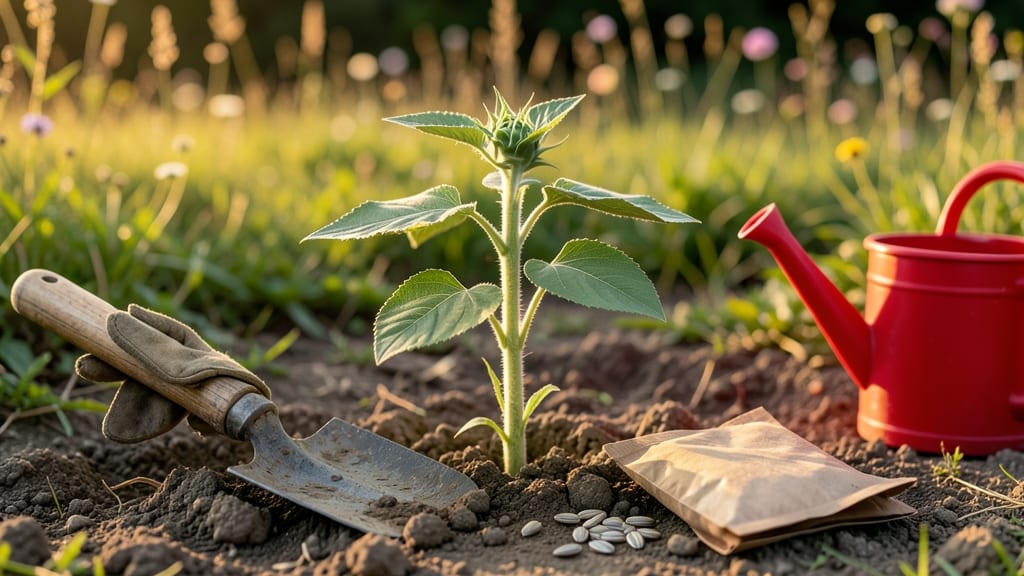
Planting sunflowers in Texas at the wrong time means watching your towering 🌻 dreams wither before they even bloom.
The key to vibrant, sun-kissed blooms lies in timing—whether you're in frost-prone North Texas or balmy South Texas, getting those seeds in the ground at the right moment makes all the difference.
Texas gardeners know the stakes: plant too early, and frost will nip tender sprouts; too late, and your sunflowers might struggle in the summer heat. I’ve tested the best windows across USDA zones 8a-10b, and the results speak for themselves—bold, healthy stalks that reach their full 6-12-foot potential.
Let’s break down the exact months to plant for your region, so you can enjoy sunflowers that turn heads from June through October.
North Texas gardeners should aim for February to April, while Central Texas has a slightly later window of March to May. South Texas? You’ve got flexibility, with February to April being ideal.
But here’s the game-changer: soil temperature matters just as much as the calendar. Wait until the ground warms to at least 55°F—that’s when your sunflowers will truly thrive.
Ready to grow sunflowers that rival the Texas skyline? I’ll walk you through the full process, from soil prep to heat management, so your 🌻 patch becomes the talk of the neighborhood. Let’s get those seeds in the ground the right way—once, and for good.
Texas sunflower planting calendar: best months by region for maximum blooms
Texas gardeners know sunflowers love our heat—but timing is everything. Plant too early, and frost can strike. Too late, and your 6-foot giants might bolt before blooming. The secret? Match your planting window to your region's last frost date and soil temperature.
In North Texas, I start seeds in February, while South Texas gardeners can plant as early as January. Let's break it down by zone to ensure your sunflowers reach their full 12-foot potential.
Sunflowers thrive when soil temps hit 55°F (13°C), so always check before planting. Use a soil thermometer or wait until March in colder regions. Texas A&M Extension recommends direct sowing (no transplants) for best results.
For heat-tolerant varieties, try 'Moulin Rouge' in Central Texas or 'Autumn Beauty' in North Texas. These varieties handle our 100°F+ summers like champs.
| Region | Last Frost Date | Ideal Planting Window | Soil Temp Requirement | Best Varieties |
|---|---|---|---|---|
| North Texas (USDA 8a) | March 15 | February - April | 55°F+ (13°C+) | Autumn Beauty, Teddy Bear |
| Central Texas (USDA 8b) | February 15 | March - May | 60°F+ (15°C+) | Moulin Rouge, Russian Giant |
| South Texas (USDA 9a-10b) | January 15 | February - April | 65°F+ (18°C+) | ProCut, Sunspot |
| West Texas (USDA 8a-9a) | March 1 | March - April | 60°F+ (15°C+) | Teddy Bear, Lemon Queen |
For North Texas gardeners, I recommend starting seeds indoors in late January to get a head start. Harden off seedlings for 7–10 days before transplanting after March 15. In Central Texas, you can direct sow as early as mid-February if soil temps are right.
South Texas gardeners have the longest season—plant January through April for continuous blooms. Remember, sunflowers grow 1–2 inches per day in ideal conditions, so timing matters!
If you miss the spring window, don't despair! Texas sunflowers also thrive with a fall planting for late-season blooms. Aim for August-September plantings in North Texas and September-October in South Texas. These late bloomers often produce larger seed heads because they avoid summer's peak heat.
Just be sure to harvest before first frost—North Texas by November 15 and South Texas by December 15.
Pro tip: Use black plastic mulch to warm soil faster in cooler regions. This trick helps me plant 2–3 weeks earlier in North Texas without risking frost damage. For drought-prone areas like West Texas, choose dwarf varieties like 'Teddy Bear' (3–4 feet tall) that need less water.
These stay compact but still pack a bold floral punch.
Soil prep is key—amend heavy clay with compost or gypsum to improve drainage. Sunflowers hate soggy roots. In my Central Texas garden, I mix in aged manure for extra nutrients.
For container growing, use large pots (12+ inches deep) with well-draining soil. Place containers in full sun and water deeply every 5–7 days during Texas summers.
Watch for bird damage—sunflower seeds are irresistible to our feathered friends. I use bird netting over young plants until heads form. For pest control, companion plant with marigolds or basil. These repel aphids and squash bugs while adding color to your Texas sunflower garden.
With the right timing and care, your sunflowers will reach 10–12 feet tall and bloom from June through October.
Remember, Texas sunflowers love heat but hate humidity. Space plants 12–24 inches apart for airflow. In high-humidity areas like East Texas, water at soil level to avoid wetting foliage. This prevents powdery mildew, a common issue in our 90
How to adjust sunflower planting for Texas heat waves and droughts
Texas summers can push temperatures past 100°F, turning your sunflower garden into a drought battleground if you’re not prepared. The key? Strategic planting and heat-proofing techniques that keep your sunflowers thriving when others wilt.
I’ve learned from years of Texas gardening that the right varieties and care tweaks make all the difference—especially for ‘Moulin Rouge’ or ‘Autumn Beauty’, which handle heat like champions.
First, timing is everything. While most gardeners plant in spring (March–April), Texas’ extended growing season lets you push it later. For drought-prone areas, aim for late summer (August) to catch fall rains and avoid peak heat.
This shift ensures your sunflowers mature before winter sets in, even in South Texas’ Zone 9b.
For soil moisture tricks, I swear by deep watering schedules. Sunflowers need 1–2 inches of water weekly, but in 100°F heat, double that to 2–3 inches every 5–7 days.
Use a soaker hose to deliver water slowly at the base, mimicking natural rainfall and reducing evaporation. Mulch with straw or wood chips to lock in moisture—this alone can cut water needs by 30%.
Not all sunflowers are created equal when it comes to drought resistance. ‘Moulin Rouge’ stands out with its deep red petals and tolerant roots, while ‘Autumn Beauty’ delivers multi-colored blooms and heat endurance.
For West Texas’ extreme conditions, try ‘ProCut Hybrid’, bred for high heat and low water. Always check seed packets for “drought-tolerant” labels—it’s your shortcut to success.
When temperatures top 100°F, shade cloth becomes your best friend. Install 30–50% shade cloth over seedlings for the first 2–3 weeks to ease them into the heat. Remove it gradually as they harden off.
For mature plants, lightweight shade cloth during peak afternoon sun (12–4 PM) can prevent leaf scorch without stunting growth. Pair this with morning watering to keep roots cool.
Post-planting care in Texas heat isn’t just about water—it’s about stress management. Avoid fertilizing during heat waves, as it encourages leafy growth over blooms. Instead, side-dress with compost in spring and fall for slow-release nutrients.
Watch for aphids and squash bugs, which thrive in hot, dry conditions. A neem oil spray every 2 weeks keeps pests at bay without harming your sunflowers.