
Flowers
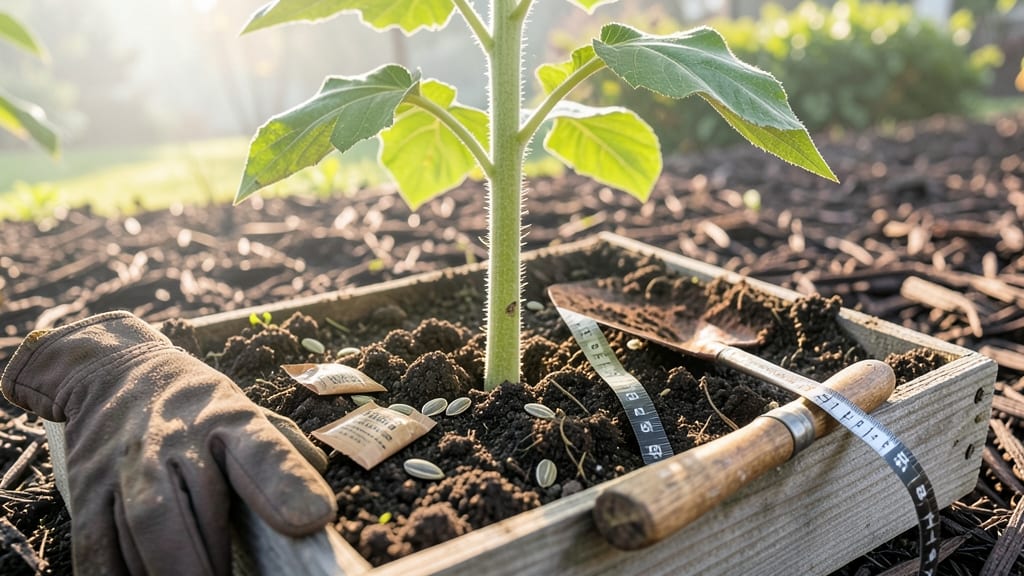
Planting sunflowers in Alabama isn't just about sticking seeds in the dirt—it's about catching that perfect window between frost and scorching heat to unlock those towering 🌻 blooms you've been dreaming of.
With USDA Zones 7b-8a offering a generous growing season, timing becomes the game-changer between wimpy stems and sunflower giants reaching for the sky.
Most gardeners in Alabama swear by spring planting, but did you know there's actually a second chance in fall? The key is understanding your last frost date—typically around mid-March—and working backward from there.
We'll break down exactly when to plant for maximum success, whether you're going for early summer blooms or late-season harvests.
Let's talk soil prep too, because Alabama's varied landscapes—from sandy Coastal Plains to richer Piedmont regions—demand different approaches.
I'll share my top 3 planting secrets that have helped my Alabama sunflowers thrive year after year, including how to handle those unpredictable spring rains that can turn your garden into a mud pit.
Ready to grow sunflowers that make your neighbors jealous? We'll cover everything from dwarf varieties perfect for small spaces to giant sunflowers that could outshine your mailbox. Grab your gloves—your Alabama sunflower garden is about to get an upgrade!
Best sunflower planting timeline for Alabama’s USDA Zones 7b-8a
Alabama’s USDA Zones 7b-8a offer the perfect climate for sunflowers, but timing your planting is everything. The last frost date typically lands around March 15, with a 220-day frost-free season—ideal for sunflowers that need warmth to thrive.
Plant too early, and your seeds may rot in cold soil; too late, and you’ll miss the July-October bloom window. Let’s break down the exact windows for spring vs. fall planting to maximize those towering blooms.
Most gardeners in Alabama focus on spring planting because sunflowers are warm-season crops that need soil temperatures above 55°F (13°C). However, fall planting is possible for late-season varieties if you’re aiming for autumn blooms.
The key is aligning your planting with soil warmth, not just air temperature. Use a soil thermometer to confirm the ground is ready—60°F (16°C) is the sweet spot for germination.
⚠️ PRO TIP: If you’re in Zone 8a (warmer southern Alabama), you can push planting 2-3 weeks earlier than Zone 7b. Conversely, higher elevations (like the Appalachian foothills) may need to wait 1-2 weeks longer for soil warmth. Always check your local Alabama Cooperative Extension Service for hyper-local frost data.
| Planting Window | Soil Temp Requirement | Days to Bloom | Best Varieties | Visual Cue |
|---|---|---|---|---|
| Early Spring (Zone 8a only) | 55°F+ (13°C+) | 70-90 days | ‘Autumn Beauty’ (early) | 🌱 First sprouts by April 1 |
| Mid-Spring (Primary Window) | 60°F+ (16°C+) | 60-80 days | ‘Moulin Rouge’ (standard) | 🌿 6-inch stems by May 15 |
| Late Spring (Extended Window) | 65°F+ (18°C+) | 50-65 days | ‘Russian Giant’ (late) | ☀️ Full bloom by July 4 |
| Fall (Zone 7b only) | 60°F+ (16°C+) | 80-100 days | ‘Teddy Bear’ (dwarf) | 🌼 Autumn blooms by Oct 15 |
For spring planting, aim to sow seeds 2-3 weeks after your last frost date. In most of Alabama, this means mid-April to early May. If you’re in Zone 8a, you can start as early as late March for early blooms.
The soil temperature is your best guide—wait until it consistently stays above 60°F (16°C) during the day. Use a clear plastic mulch to warm the soil faster if you’re eager to plant early.
If you’re targeting fall blooms, focus on late summer planting (around August 1-15) in Zone 7b. Choose dwarf or semi-dwarf varieties like ‘Teddy Bear’ or ‘Moulin Rouge’ to avoid winter damage.
These varieties mature faster (50-65 days) and can produce autumn blooms before the first frost in mid-November. Just be prepared to protect seedlings with row covers if a cold snap hits.
One of my favorite visual cues for timing is watching peach trees in Alabama. When their leaves fully unfurl (usually late March to early April), it’s a sign that the soil is warming and ready for sunflower seeds.
Pair this with a moon planting calendar for root crops (like carrots) to maximize your garden’s efficiency. For sunflowers, prioritize full-moon planting in spring to encourage strong root development.
How to adjust sunflower planting for Alabama’s microclimates and soil types
Alabama’s diverse geography means your sunflower’s success hinges on where you plant. The Coastal Plain (south) has sandy, fast-draining soils that dry out quickly, while the Piedmont region (north) boasts richer, loamier soil with better moisture retention.
These differences affect planting timing and care—especially during Alabama’s unpredictable spring rains or summer droughts.
In the Coastal Plain, where soils warm faster, you can plant sunflower seeds as early as mid-March in protected microclimates. However, the Piedmont’s cooler nights may delay planting until late April to avoid frost damage.
Always check your local last frost date—Alabama’s ranges from mid-March in Mobile to early April in Huntsville.
Sunflowers won’t germinate below 55°F soil temps. Planting in Piedmont valleys or Coastal Plain lowlands before April risks rot or stunted growth. Use a soil thermometer—wait until soil hits 60°F+ for reliable germination.
🌱 Pro Tip: Cover seeds with row fabric in early plantings to retain warmth.
Alabama’s spring rains can drown sunflower seeds if planted too deep. In sandy Coastal Plain soils, aim for 1-inch depth and space seeds 6 inches apart.
In clay-heavy Piedmont soils, add compost or sand to improve drainage. Overwatering here leads to root rot, while underwatering in summer causes wilting.
For summer droughts, adjust your watering routine. In the Coastal Plain, established sunflowers need deep watering every 5-7 days. In the Piedmont, mulch with straw or pine needles to retain moisture. Avoid wetting foliage to prevent powdery mildew, a common issue in Alabama’s humid summers.
Timing mistakes happen—like planting heat-sensitive varieties too late in June. For tall varieties (e.g., Russian Giant), stick to April-May plantings. Dwarf varieties like Moulin Rouge can handle late June starts but may bloom smaller.
Always monitor your plants’ leaf color—yellowing means stress from either too much heat or poor soil.
Test your soil’s pH (ideal: 6.0-7.0) and amend as needed. Coastal Plain soils often need organic matter, while Piedmont soils may benefit from gypsum to break up clay. With these adjustments, your sunflowers will thrive—no matter where in Alabama you garden! 🌻