
Plants
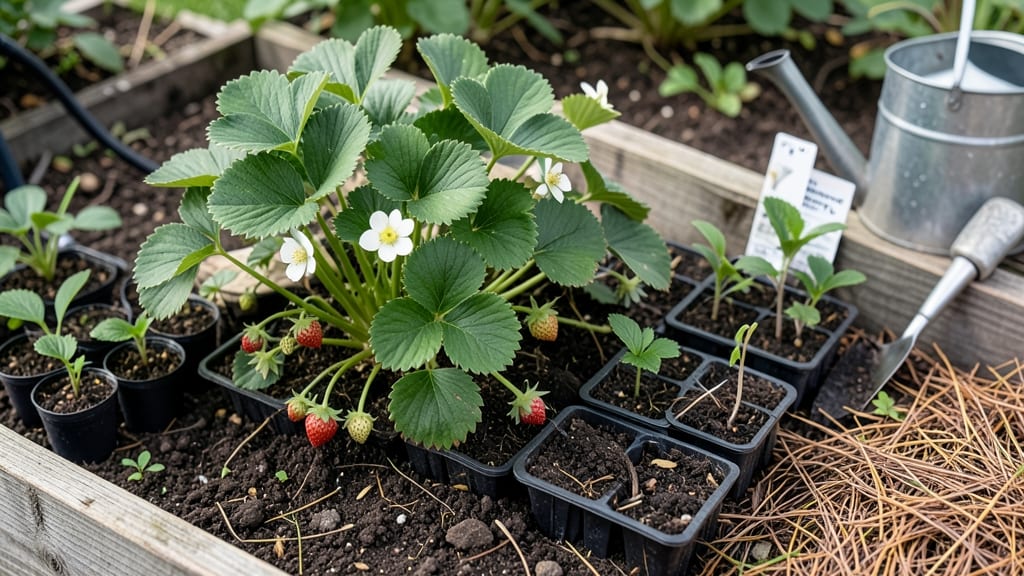
Planting strawberries in Texas isn't just about grabbing a few plants and sticking them in the ground—it's about outsmarting the heat, avoiding frost, and timing your soil just right for those sweet, juicy 🍓 harvests.
Most Texas gardeners swear by fall planting (October-November) because cooler temperatures and moist soil give young plants the perfect start before summer's brutal heat arrives. But if you're in South Texas's warmer zones, early spring (February-March) can work too—just watch for those unpredictable late frosts that can sneak in.
Here's the game-changer: your strawberries need soil that's 50-60°F to root properly, and that window shifts dramatically between North Texas (where frost lingers until March) and South Texas (where heat arrives by May).
I'll break down exactly when to plant in your specific region—and how to stretch your harvest season with simple tricks.
Whether you're a first-time gardener or a Texas veteran, these insights will help you grow strawberries that taste better than anything from the store. Let's get those berries thriving!
Texas strawberry planting calendar: soil temperature & frost-free window by region
Texas's diverse climate means your strawberry planting window depends heavily on where you live. In North Texas, like Dallas and Fort Worth, you'll need to account for late frosts that can linger into March.
Meanwhile, South Texas, including Houston and Beaumont, enjoys milder winters with rare frost, allowing for extended growing seasons. The key to success? Planting when soil temperatures hit 50-60°F and avoiding frost risks.
Most Texas gardeners focus on fall planting (October-November) for a spring harvest, but early spring (February-March) is also viable in warmer regions. The challenge? Texas's USDA Zones 8a-10b create microclimates where a single county might have both frost-prone areas and frost-free zones.
Let’s break down the best planting times for each region, including soil temperature thresholds and frost-free windows.
Here’s a quick reference for Texas strawberry planting zones based on frost risk and soil temperature. Use this as your guide to avoid common mistakes like planting too early in cold regions or too late in heat-prone areas.
In North Texas, where frosts can sneak in as late as March, aim to plant strawberries 4-6 weeks before your first frost. This means starting in mid-October for most areas. The soil should be warm enough to hold 50-60°F consistently—use a soil thermometer to check.
If you’re in Dallas or Fort Worth, avoid planting after November 15, as cooler temperatures can stunt root growth.
Central Texas gardeners in Austin and San Antonio have a slightly longer window. Soil temperatures here warm up faster, so you can plant as late as early November. The last frost date is typically around February 15, giving you a buffer for spring planting if you miss the fall window.
For best results, focus on October 1-15 when soil temps are ideal and frost risks are minimal.
If you're in South Texas, like Houston or Beaumont, you’re in luck—frost is rare, and your planting window stretches from September to February. Soil temperatures here rarely drop below 60°F, so you can plant everbearing varieties for year-round harvests.
Start in September for a fall harvest or January for a spring bounty. Just watch for heat stress in summer months, which can reduce fruit quality.
Pro tip: Use mulch (straw or pine needles) to insulate soil and maintain consistent temperatures. In colder regions, a row cover can extend your frost-free window by 2-4 weeks.
Always test your soil’s pH—Texas clay soils often need amendments like compost or sulfur to reach the ideal 5.5-6.5 range for strawberries.
Timing your strawberry harvest is just as critical as planting. In North Texas, expect your first berries in March-April, while Central and South Texas can harvest as early as February.
Plan ahead: June-bearing varieties produce one big harvest, while everbearing types give smaller yields year-round. Adjust your planting schedule to match your variety’s needs.
Remember, Texas’s <
Best strawberry varieties for Texas heat & humidity (and when to plant them)
Texas's sweltering summers and humid air can challenge strawberry lovers, but the right varieties thrive here. Heat-tolerant and disease-resistant types like 'Chandler' and 'Seascape' are my go-tos for their ability to handle 90°F+ temps without wilting.
These varieties also produce sweeter fruit despite the heat, making them perfect for Texas gardens.
For fall planting (the best time in Texas), aim for October-November when soil temps drop to 60-65°F. This gives roots time to establish before winter. Spring planting works too—just wait until February-March after the last frost risk passes.
'Chandler' is my top pick for Texas—it handles heat better than most varieties and produces large, firm berries perfect for slicing. Plant it in fall for spring harvests or early spring for fall fruiting. Its disease resistance also means fewer fungicide sprays in our humid climate.
If you want everbearing varieties, 'Seascape' delivers two harvests per year with minimal care. It tolerates partial shade, making it great for east-facing beds where afternoon sun is intense. For organic gardens, 'Albion' is a Texas Superstar with excellent flavor and drought tolerance.
Extend your harvest by planting succession crops every 4-6 weeks in fall or spring. Use shade cloth during peak summer to protect plants from heat stress while still getting 6+ hours of sunlight. Mulch heavily with straw or pine needles to retain moisture and regulate soil temps.
Remember, Texas clay soil drains poorly—amend with compost and sand before planting. Test your soil's pH (5.5-6.5) and adjust with lime or sulfur if needed. With the right variety and timing, you'll enjoy homegrown strawberries from March through November! 🍓