
Plants
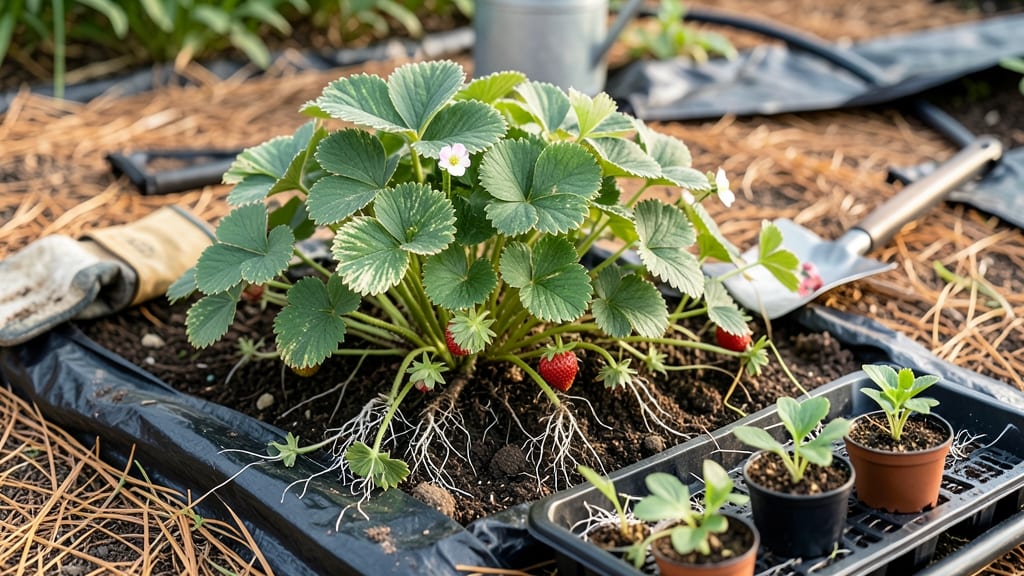
When is the best time to plant strawberries in Florida? If you’re dreaming of a year-round harvest, you’re in luck—Florida’s frost-free climate lets you grow them almost anytime. But here’s the catch: timing matters more than you think, especially when balancing Florida’s heat zones, soil temperatures, and seasonal pests.
While you can plant strawberries anytime in Florida’s warm weather, the best time depends on whether you’re using bare-root plants or potted varieties—and avoiding summer’s brutal heat. I’ll break down the ideal windows for each, plus how to extend your harvest even in the hottest months.
Think you can just toss strawberries in the ground and forget about them? Not in Florida. The key to success lies in soil prep, microclimate awareness, and variety selection—all of which I’ll cover so you can skip the trial-and-error phase.
Ready to turn your garden into a strawberry powerhouse? Let’s dive into the exact months, soil temps, and Florida-specific tips that’ll have your plants thriving from January through December.
Florida’s ideal strawberry planting windows by heat Zone: soil temp & seasonal breakdown
Florida’s 9 USDA heat zones (8a-11) create unique microclimates where strawberries thrive year-round—but only if planted at the right time. Unlike northern states, Florida gardeners can grow strawberries in fall, winter, and even early spring, as long as soil temperatures stay between 50°F and 65°F.
Below, I’ll break down the ideal planting windows for each zone, including how to extend seasons with protective gear.
In USDA Zone 8a (northern Florida, like Jacksonville), strawberries handle cooler winters but struggle with summer heat. Zone 10a and above (Miami, Key West) can plant almost year-round, but even here, summer’s oppressive heat demands special care.
The key? Soil temperature—not air temperature—dictates success. Use a soil thermometer to confirm conditions before planting.
For fall plantings (the gold standard in Florida), aim for September through November when soil cools to 60-65°F. This gives roots time to establish before winter’s mild chill. Winter plantings (December-February) work in Zones 9-11, where soil stays 55-60°F.
Spring plantings (March-April) are riskier due to rising heat but can succeed in shaded or elevated beds.
Here’s the comparison table for Florida’s heat zones, including soil temp thresholds, best months, and season-extending tips:
Notice how Zone 8a has the narrowest window (Sep-Nov) due to occasional winter chills, while Zones 10a-11 can plant almost year-round—though summer heat still demands shade cloth or elevated beds.
For example, in Tampa (Zone 9a), I’ve had success planting 'Florida Beauty' in January under 30% shade cloth, yielding berries by March.
To extend seasons, use row covers in winter (even in Zone 10a) to protect from light frosts (rare but possible). In summer, shade cloth (30-50%) keeps soil temps below 75°F, preventing heat stress.
For Zone 8a gardeners, a high tunnel can push spring plantings into April, avoiding the brutal May-July heat.
Pro tip: Soil temperature is more critical than air temperature. In July, air might feel like 90°F, but shaded soil can stay at 70°F—perfect for container plantings.
Use a soil thermometer to confirm conditions before planting. I test soil temps at 8 AM for the most accurate reading.
For bare-root plants
How to extend strawberry harvests in Florida: year-round planting hacks for tropical conditions
Florida’s warm climate lets you grow strawberries year-round, but summer heat can turn your berries into sad, shriveled disappointments. The key is strategic timing and heat protection. With the right varieties and growing techniques, you can enjoy fresh strawberries even in July!
Let’s break down how to beat the heat and keep your plants productive.
First, choose heat-tolerant varieties like 'Florida Brilliance' or 'Sweet Charlie'. These varieties thrive in Florida’s USDA Zones 8-11 and can handle temperatures up to 90°F with proper care. Pair them with shade cloth or drip irrigation to keep roots cool and soil moist during peak summer months.
📌 Key Hack: Use high tunnels or row covers to create a microclimate that regulates temperature and humidity. This lets you plant strawberries in late summer (August-September) for a fall harvest, or even early summer (May-June) with proper shading.
🌱 Year-Round Strawberry Planting Hacks for Florida
- ✓ Fall Planting (Sept-Oct): Ideal for winter harvests; soil temps drop to 65-75°F.
- ✓ Winter Planting (Dec-Jan): Cooler temps (50-65°F) reduce pest pressure and heat stress.
- ✓ Summer Planting (June-July): Use shade cloth (30-50%) and drip irrigation to protect plants.
- ✓ Mulch Heavily: Straw or pine needles retain moisture and block weeds; reapply every 4-6 weeks.
- ✓ Pest Control: Monitor for slugs, spider mites, and birds; use neem oil or row covers as needed.
Don’t forget drought-resistant mulching! A thick layer of straw or wood chips keeps soil cool and locks in moisture. For container growing, use self-watering pots and place them in partial shade during the hottest afternoons. This method works especially well for balcony gardens or small urban plots.
Pests are another summer challenge. Spider mites and aphids thrive in heat, but a strong spray of water or insecticidal soap can keep them at bay. For bird protection, install netting over your beds—especially if you’re growing near trees or open areas.
Finally, rotate your planting schedule to avoid exhausting the soil. Plant new batches every 2-3 months for a continuous harvest. With these tricks, you’ll enjoy homegrown strawberries from January through November—no grocery store needed!