
Plants
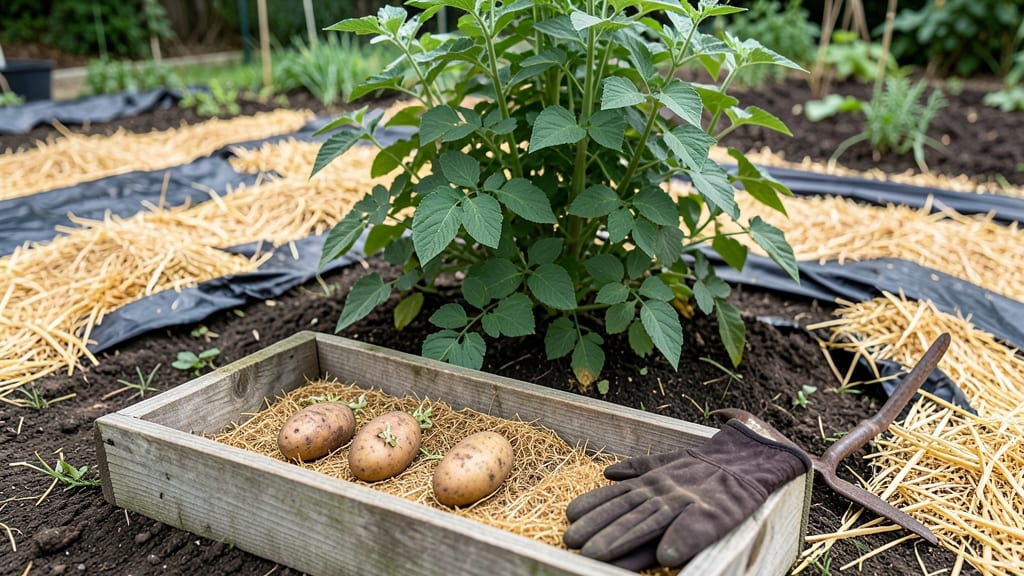
Planting potatoes in Florida isn't just about dropping seed potatoes into the ground—timing makes all the difference between a bumper harvest and stunted 🥔. While Florida’s frost-free climate gives you flexibility, the wrong window can lead to heat stress or poor tuber development.
Most gardeners in zones 9a-11 swear by two key windows: early spring (February-March) or late summer (August-September). But here’s the catch—North Florida’s cooler pockets and South Florida’s humidity demand slight adjustments. I’ll break down the exact months to plant, plus how to tweak your approach for your specific microclimate.
You’ll also discover why skipping summer planting is a common mistake (hint: it’s not the heat you fear, but the pests). Plus, I’ll share Florida Extension Service-backed tips for soil prep, watering, and choosing the right varieties—like purple or red-skinned potatoes—that thrive in our unique climate.
Ready to grow potatoes that actually reach their full potential? Let’s dive into the best timing and techniques that’ll have you harvesting plump, flavorful tubers twice a year—no frost worries included.
Florida’s ideal potato planting windows: spring vs fall timing breakdown
Florida’s frost-free climate makes potatoes a year-round possibility, but timing matters more than you’d think. Planting potatoes in summer risks heat stress, while fall planting can lead to slow tuber formation before cooler months.
The sweet spot? Early spring and late summer when soil temps hover between 60°F and 75°F—ideal for tuber development without extreme heat.
Unlike northern states, Florida gardeners don’t need to worry about frost killing plants, but soil temperature and day length still dictate success. In North Florida, cooler winter nights can slow growth, while South Florida’s humidity demands extra vigilance against disease.
Let’s break down the exact planting windows for each season to maximize your potato yield.
🌱 Key Insight: Florida’s USDA Zones 9a-11 mean potatoes can grow almost anytime, but spring and fall are the most reliable seasons. Here’s why:
| Factor | Spring Planting (Feb-Mar) | Fall Planting (Aug-Sep) | North Florida Adjustments | South Florida Adjustments |
|---|---|---|---|---|
| Soil Temp | 60°F-70°F | 70°F-75°F | Wait for 65°F+ | Plant earlier (Jan) |
| Day Length | 10-12 hours | 12-13 hours | Use shade cloth | Full sun OK |
| Harvest Window | April-May | October-November | Extend with row covers | Harvest before rains |
| Biggest Risk | Late frost (rare) | Disease pressure | Cold snaps | Humidity stress |
| Best Varieties | Yukon Gold, Purple Viking | Red LaSoda, Sweet Potato | Early varieties | Heat-tolerant types |
Spring planting in Florida kicks off in February-March when soil temperatures consistently stay above 60°F. This gives tubers 90-120 days to mature before summer’s intense heat arrives. Yukon Gold and Purple Viking varieties excel in these conditions, producing high-yielding tubers before the dog days of July.
For fall planting, aim for August-September to avoid summer’s 90°F+ soil temps, which can scorch tubers. Red LaSoda and Sweet Potato varieties handle Florida’s humidity better in fall. Harvest before October’s rains to prevent rot—this is critical in South Florida’s wetter microclimates.
North Florida gardeners (think Gainesville or Jacksonville) face slightly cooler nights, so delay planting until soil hits 65°F in spring. Use black plastic mulch to warm soil faster.
In South Florida (Miami or Fort Lauderdale), you can plant as early as January for a spring crop, but prioritize disease-resistant varieties to combat humidity.
Pro tip: Test soil temps with a soil thermometer—potatoes need consistent warmth to form tubers. If temps dip below 55°F, growth stalls. In fall, harvest before October to avoid fungal issues from prolonged moisture.
Remember: Florida’s no-frost rule is a blessing, but
How to adjust planting for Florida’s microclimates: north vs south timing hacks
Florida’s diverse microclimates mean your potato planting schedule should shift dramatically between North Florida (like Gainesville) and South Florida (like Miami). In cooler northern regions, light frosts can still occur in winter, while southern areas stay warm year-round.
I’ll show you how to time your plantings for maximum success in both zones.
For North Florida, aim to plant seed potatoes in late February to early March for a spring harvest, or August to early September for fall yields. The cooler temperatures slow growth slightly, but you avoid summer’s intense heat.
In South Florida, you can plant year-round, but spring and fall still offer the best balance of soil warmth and rainfall.
Container gardening is a game-changer for urban gardeners in both regions. Use 5-gallon pots with well-draining soil and plant seed potatoes in February or August. Containers warm up faster in spring and can be moved to shadier spots during summer’s peak heat. Just ensure pots have drainage holes to prevent rot.
Extend your growing season in North Florida with row covers or low tunnels. These protect young plants from unexpected frosts and keep soil warm longer. In South Florida, shade cloth (30-50%) helps prevent bolting during scorching summer months.
For both regions, mulch heavily with straw or grass clippings to retain moisture and regulate soil temperature.
If you’re in South Florida, you can even try two harvests per year by planting every 6 weeks starting in February. Just monitor soil moisture closely—Florida’s humidity can lead to disease pressure if plants get too wet.
In North Florida, focus on one strong harvest per season and prioritize disease-resistant varieties like Yukon Gold or Red Pontiac.
For urban gardeners, choose compact varieties like Fingerling potatoes and plant in deep containers (12+ inches). Add compost to the bottom of pots to improve drainage and fertility. Water consistently—containers dry out faster than in-ground beds—and fertilize lightly with balanced organic fertilizer every 4-6 weeks.
Remember, soil temperature matters more than air temperature. Use a soil thermometer to confirm 60°F+ before planting. In North Florida, wait until soil warms in spring; in South Florida, plant when soil cools slightly in summer. With these microclimate hacks, you’ll harvest bountiful potatoes year-round! 🥔