
Plants
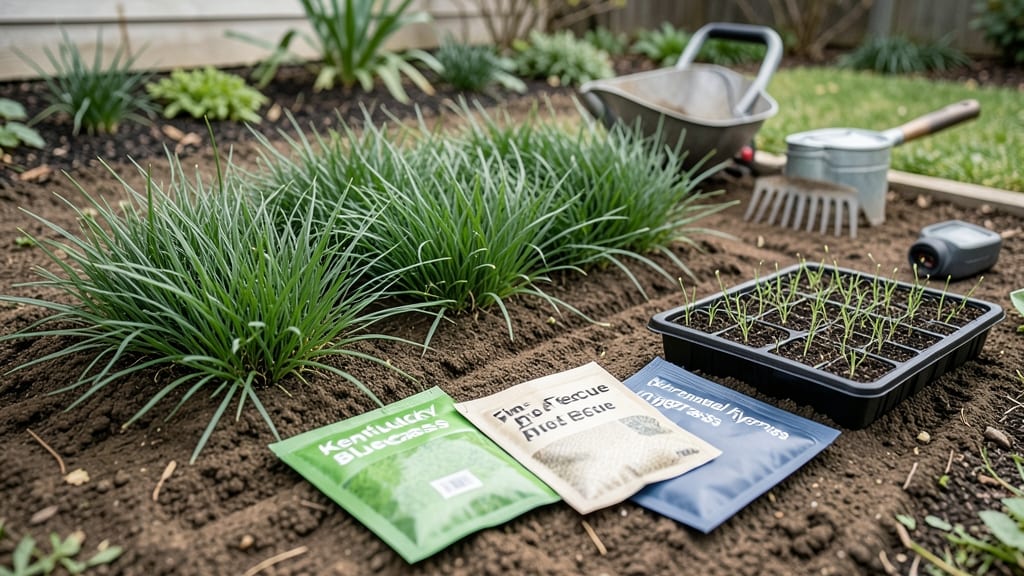
Planting grass seed in Minnesota isn't just about dropping seeds and hoping for the best—timing is everything to avoid patchy lawns or wasted effort. With 3b-5b climate zones and unpredictable frost dates, knowing when to plant can mean the difference between a lush yard and disappointment.
The ideal windows are late August through early October or early April to mid-May, but soil temperature and regional factors play a huge role.
Most gardeners assume spring is the only option, but fall planting actually gives grass a head start by establishing roots before winter. I’ll break down the exact soil temps (50–65°F) and weather conditions that make germination successful, so you can skip the guesswork.
Whether you’re in the Twin Cities or northern Minnesota, these insights will help you choose the perfect moment for your 🌱.
Prepping your lawn properly is just as critical as timing. From soil testing to selecting the right grass type (like Kentucky bluegrass or fine fescue), small details make a big difference in how thick and green your lawn becomes.
I’ll walk you through the step-by-step checklist to ensure your grass seed thrives from the first sprouts.
Ready to transform your yard? Let’s dive into the best planting windows, soil prep secrets, and post-planting care to guarantee a lawn you’ll be proud of all season long.
Optimal planting windows for Minnesota grass seed by region
Minnesota’s climate varies dramatically from the North to the South, making timing everything for grass seed success. The USDA Zones 3b-5b mean your northern lawn (like Duluth) faces different frost risks than southern areas (like Rochester).
I’ve planted grass in both regions and learned that fall planting is the golden standard—but spring works too if you follow the rules.
Cool-season grasses like Kentucky bluegrass and fine fescue dominate Minnesota lawns, thriving in 50–65°F soil. Warm-season grasses (like tall fescue) are rare but possible in southern zones.
The key? Plant when soil temps stay above 50°F for consistent germination, avoiding both early spring frosts and late summer heat stress.
| Region | Best Planting Window | Soil Temp Requirement | Frost Risk | Grass Types |
|---|---|---|---|---|
| Northern MN (Zones 3b-4a) | Late August - Early September | 50–60°F | High (first frost: Sept 10) | Kentucky bluegrass, fine fescue |
| Central MN (Zones 4b-5a) | Mid-August - Late September | 55–65°F | Moderate (first frost: Sept 20) | Tall fescue, perennial ryegrass |
| Southern MN (Zones 5a-5b) | Late August - Early October | 60–65°F | Low (first frost: Oct 5) | Fine fescue, buffalo grass |
| Spring Alternative (All Regions) | Early April - Mid-May | 50–60°F (after last frost) | Low (last frost: May 15) | All cool-season types |
In Northern Minnesota, your window is tight—late August to early September. The soil stays warm long enough for seeds to germinate before first frost hits around September 10.
I’ve seen neighbors rush planting in July only to watch their seeds bake in 90°F+ soil, killing germination. Fall planting gives seeds time to establish roots before winter.
Central Minnesota offers a wider window—mid-August to late September—thanks to later frosts. This is my preferred time because the soil stays warm (55–65°F) while humidity drops, reducing fungal risks.
If you miss fall, early April is your next shot, but only after the last frost (usually May 15 in most areas).
Southern Minnesota’s extended growing season lets you plant until early October. The warmer soil (60–65°F) speeds up germination, but watch for late-season weeds competing with your grass. I’ve had success with fine fescue here because it tolerates shadier conditions common in southern yards.
Spring planting is riskier but works if you act fast. Aim for early April in southern zones or mid-May in the north. The soil must stay above 50°F for 7+ days, or seeds will rot. Overseeding in spring is common, but fall is always better for thick, dense lawns.
Pro tip: Use a soil thermometer to confirm temps. I’ve planted in 50°F soil and seen slow germination, while 65°F+ can cause seed dormancy. Morning planting (before 10 AM) keeps seeds from drying out in hot afternoon sun.
Water lightly twice daily until sprouts appear (usually 7–14 days).
Regional frost dates matter more than calendar months. Check the National Weather Service for your last frost and first frost dates—these dictate your planting window.
In Zone 3b, plant by September 1; in Zone 5b, you can stretch to October 1. Overseeding in fall is ideal because cool temps reduce weed competition and water stress.
Don’t let Minnesota’s unpredictable weather fool you—with the right timing, you’ll get a thick, green lawn in just 30
Soil temperature and weather conditions for perfect germination
Getting your grass seed to sprout in Minnesota isn’t just about picking a month—it’s about soil temperature and weather conditions that create the perfect environment.
Cool-season grasses like Kentucky bluegrass and fine fescue thrive when soil temps hover between 50–65°F, while warm-season varieties (like buffalo grass) need 65–75°F. Since Minnesota’s climate shifts dramatically, timing is everything.
Fall planting (late August to early October) is ideal because cooler air and warmer soil create perfect germination conditions. The ground stays moist longer, reducing the risk of drought stress.
Spring planting (early April to mid-May) works too, but only if the soil warms consistently above 50°F—otherwise, seeds may rot or fail to sprout.
| Condition | Cool-Season Grasses | Warm-Season Grasses |
|---|---|---|
| Optimal Soil Temp | 50–65°F | 65–75°F |
| Best Planting Window | Late Aug–Early Oct | Mid-May–June |
| Rainfall Needs | 1–1.5 inches/week | 1.5–2 inches/week |
| Humidity Ideal | Moderate (40–60%) | High (60–80%) |
| Avoid Planting When | Soil <50°F or >75°F | Frost risk or drought |
Humidity and rainfall play a huge role in germination. Cool-season grasses prefer moderate humidity (40–60%) and consistent moisture, while warm-season grasses need higher humidity (60–80%) to prevent seed desiccation.
In Minnesota, fall often delivers the perfect balance—cool temps, frequent rain, and lower evaporation rates. Spring can be trickier due to dry winds and temperature swings.
Before planting, test your soil’s moisture by grabbing a handful—it should hold together but not be soggy. If the ground is too dry, water deeply 24 hours before seeding to encourage even moisture distribution.
Overwatering, though, can lead to seed rot, so aim for 1–1.5 inches of water weekly during germination.
Preparing your soil is just as critical as timing. Rake the area to remove debris, loosen compacted soil, and mix in compost or starter fertilizer for nutrients. A thin layer of straw mulch helps retain moisture and shields seeds from harsh winds—especially important in Minnesota’s unpredictable fall storms.
With the right conditions, your grass seeds will sprout within 7–21 days, depending on variety and weather.
Don’t let Minnesota’s changing weather derail your lawn dreams. By monitoring soil temperature, adjusting for rainfall patterns, and preparing the ground properly, you’ll give your grass seed the best shot at thriving. Patience and prep now mean a thicker, greener lawn next summer—no gamble needed! 🌱